There’s something immensely attractive about having your own room nestled away from the rest of the house. A basement bedroom offers that ultimate escape—a secluded refuge where you can actually unwind after a hard day.
I recall helping my brother remodel his unfinished basement into a fantastic bedroom, and witnessing it blossom from a storage space to a sophisticated personal hideaway was actually exciting.
The beauty of basement bedrooms is their versatility; you’re working with a blank canvas that may become anything from an industrial loft to a homey lounge.
Whether you’re a bachelor building your first solo space or simply claiming a part of the house as your own, these design ideas will help you craft a basement bedroom that’s both functional and impressively macho.
1. Industrial Loft Aesthetic with Exposed Elements
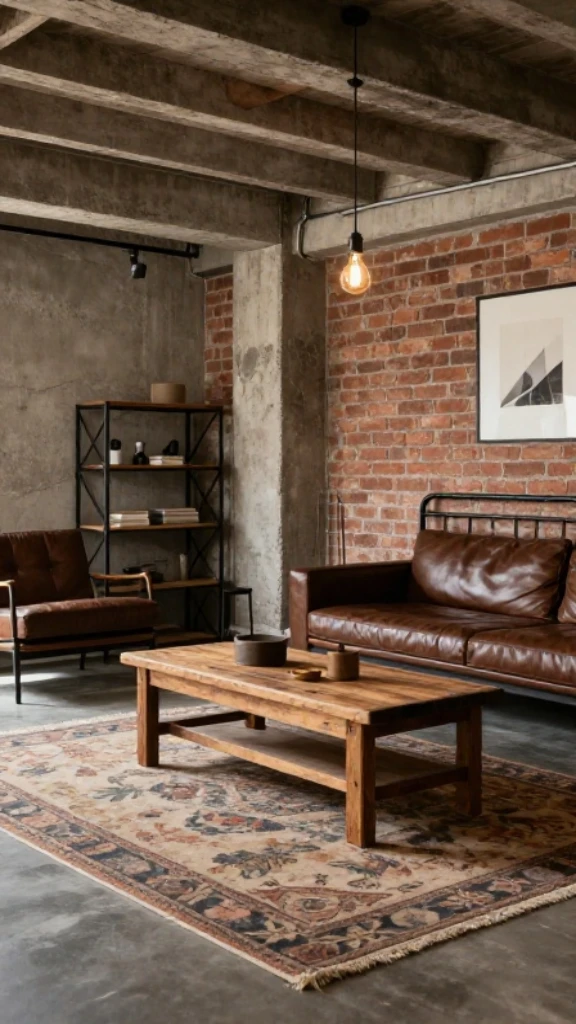
Embrace the raw essence of your basement by accentuating exposed brick, concrete walls, or ceiling beams. This industrial style honors the architectural honesty of underground rooms while generating an obviously macho ambiance.
Install Edison bulb fixtures or metal pendant lights to complement the warehouse-inspired ambiance. Pair worn wood furniture with metal accents like steel-framed shelving or iron bed frames.
The beauty of this style rests in its authenticity—you’re not hiding the basement’s construction but making it a prominent design feature. Add leather upholstery, faded rugs, and minimalist artwork to soften the rougher edges without losing the gritty style.
This strategy works extremely well if your basement already has exposed pieces, turning potential design issues into outstanding features that offer your room actual character and depth.
2. Dark Color Palette for Sophisticated Ambiance
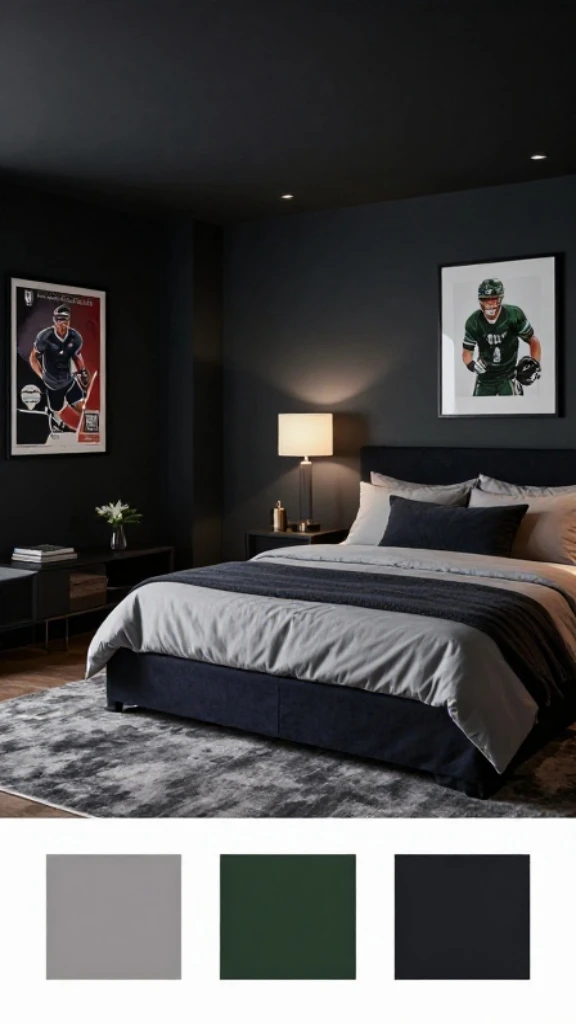
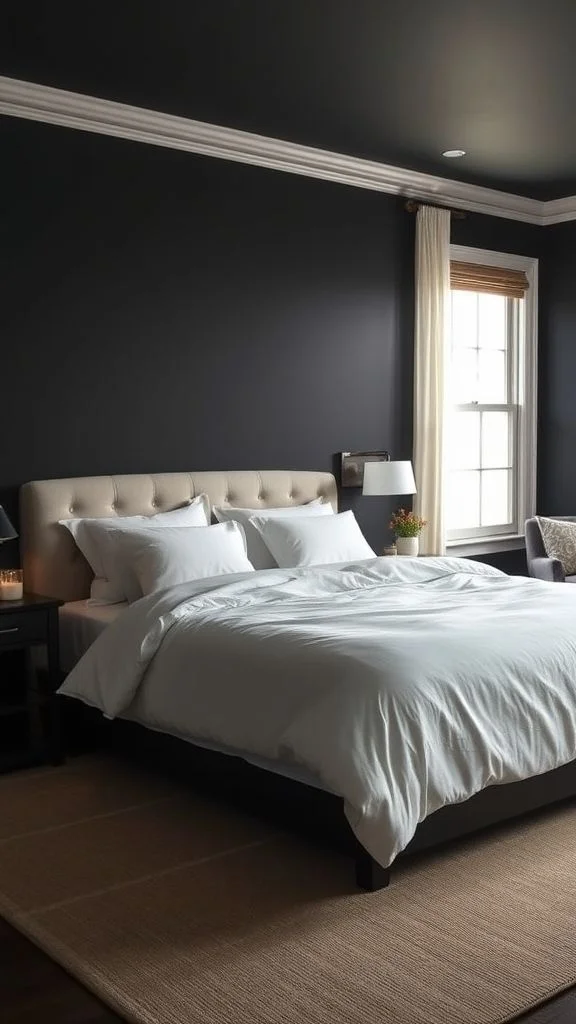
Deep, gloomy colors transform basement bedrooms into sumptuous retreats that feel purposely snug rather than inadvertently dull. Consider charcoal grays, navy blues, forest greens, or even matte black for walls and ceilings.
These deeper hues actually make low ceilings feel less obvious while providing an intimate, enveloping ambiance suited for relaxation. The key is balancing darkness with appropriate lighting—install tiered lighting solutions, including recessed lights, floor lamps, and bedroom reading lights.
Incorporate lighter touches through bedding, artwork, or a distinctive rug to keep the space from feeling too weighty. Darker colors also give a fantastic backdrop for showcasing collections, whether that’s old posters, sports memorabilia, or contemporary art.
This color strategy works particularly well in basements because it welcomes the naturally lower light circumstances instead of fighting against them.
3. Custom Built-In Storage Solutions
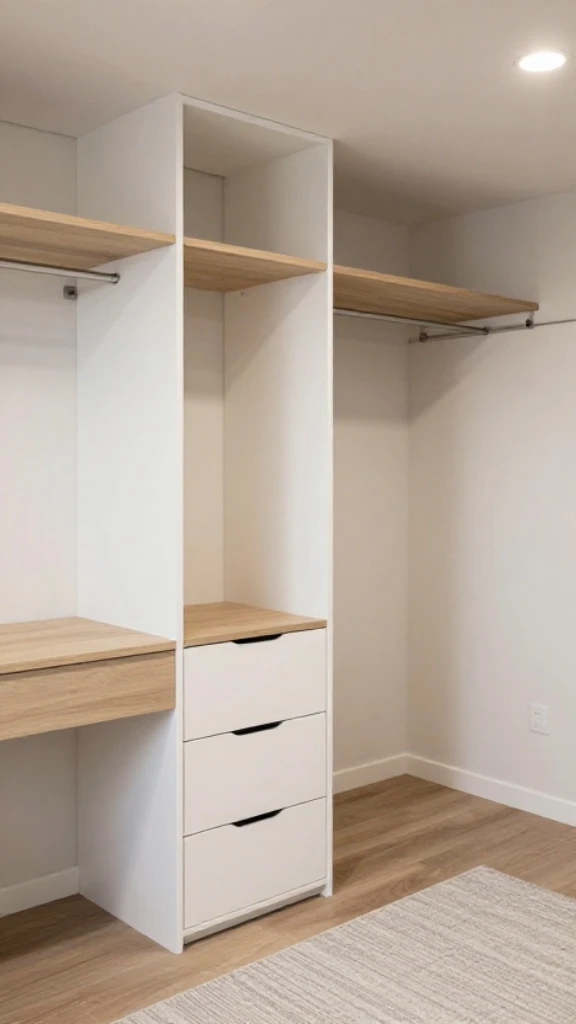
Maximize every inch of your basement bedroom with custom built-ins that provide storage while preserving elegant lines. Consider floor-to-ceiling shelving systems, under-bed drawers, or built-in closets that exploit difficult nooks and low-clearance places.
Basement areas frequently have structural peculiarities like support columns or uneven ceiling heights that really present great chances for inventive storage solutions.
Install floating shelves for books, gadgets, or memorabilia, keeping surfaces clutter-free and spacious-feeling. Built-in nightstands with integrated charging stations remove bedroom clutter while keeping smartphones accessible. If funding allows, employ a carpenter to construct items specifically fitted to your basement’s unique measurements.
Smart storage doesn’t just manage your belongings—it actually helps the area feel larger and more intentional, turning possible spatial difficulties into functional design elements that enhance your daily routine.
4. Gaming and Entertainment Zone Integration
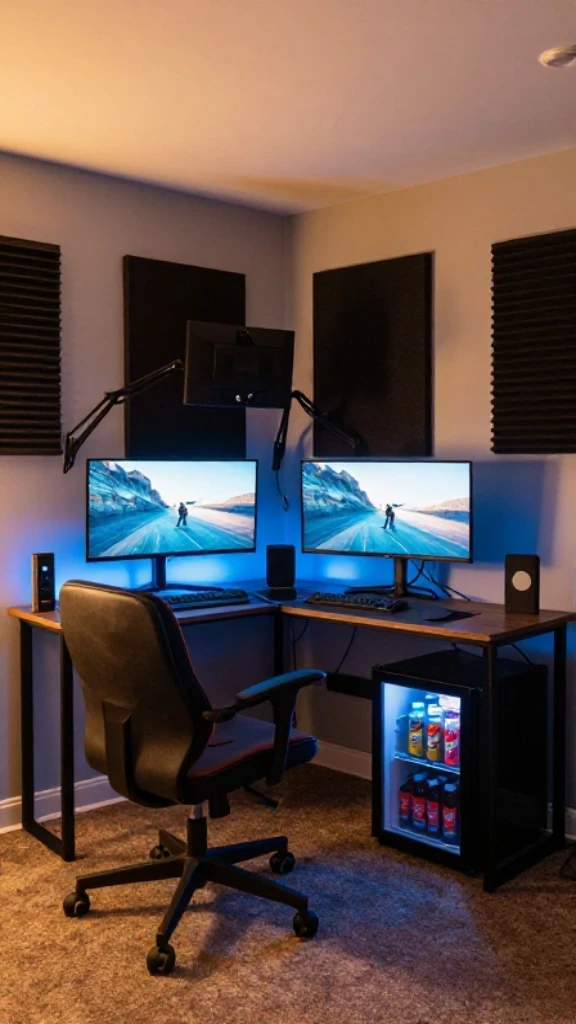
Transform part of your basement bedroom into the perfect game or entertainment area without compromising sleep space. Designate a corner for your gaming setup with a comfy chair, correct desk height, and cable management systems that keep wires undetectable.
Mount your TV or gaming monitors on movable arms that can be moved depending on whether you’re gaming or watching from bed. Invest in quality acoustic panels that absorb sound, letting you enjoy late-night activities without bothering anyone upstairs.
Include a mini-fridge packed with drinks and snacks within arm’s reach of your gaming chair. Consider smart lighting solutions that can change from stimulating blues and whites during gaming sessions to warm, calming tones when it’s time to wind down.
The idea is creating distinct zones inside one room—one for active enjoyment and another for rest—that coexist seamlessly through intelligent furniture placement and lighting control.
5. Sports-Themed Design Elements
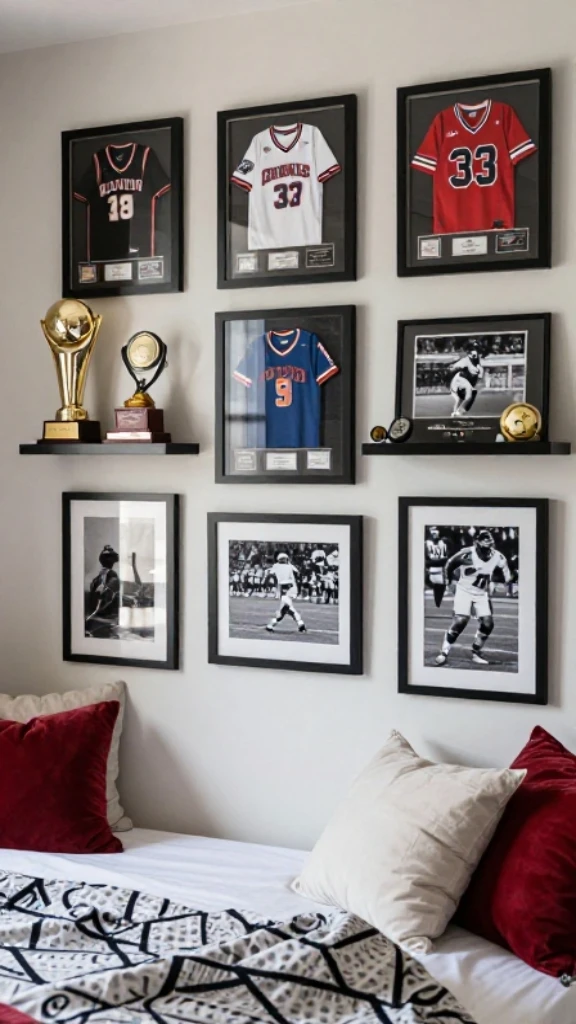
Channel your enthusiasm for athletics into a unified design concept that promotes your favorite sports without looking like a teenager’s dorm. Display real jerseys in professional shadow boxes or frames rather than nailing them to walls.
Install floating shelves for signed memorabilia, championship replica trophies, or old equipment pieces that act as sculptural features. Consider a modest tribute to your team’s colors through bedding, accent walls, or artwork rather than dominating the space with logos.
A well-curated selection of sports photography—think black-and-white action photos or historic game moments—adds refinement while preserving the athletic motif. If you’re a collector, designate one wall to a gallery-style arrangement that highlights your treasures with suitable lighting.
The difference between immature and polished sports decor resides in presentation and moderation; pick quality over quantity, treating each piece as art rather than merely decoration.
6. Industrial Pipe Shelving and Fixtures
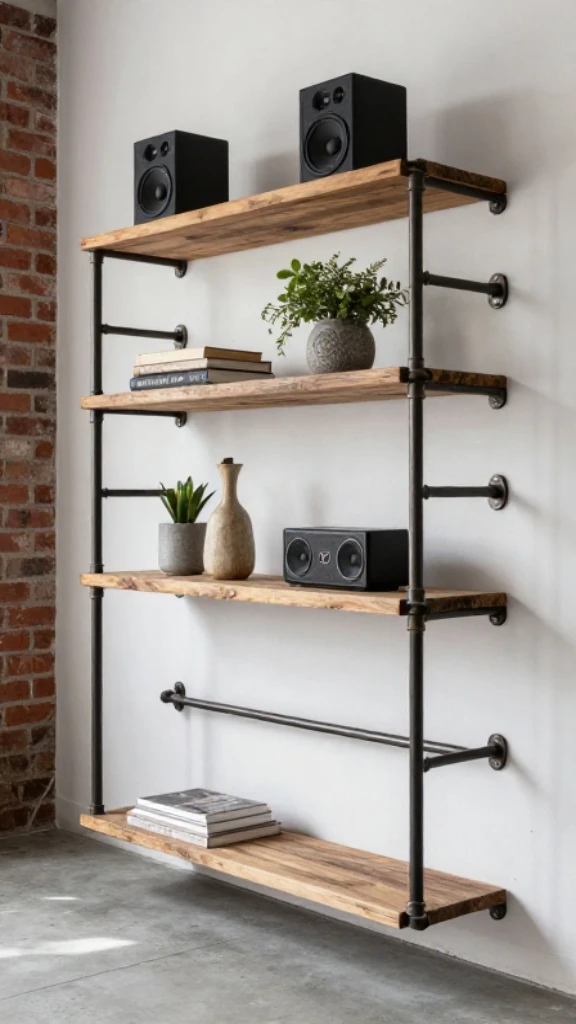
Install shelving constructed from iron pipes and repurposed wood planks for a genuinely masculine appearance that’s also highly utilitarian. These DIY-friendly fixtures provide architectural flair while providing extensive storage for books, plants, speakers, or ornamental things. The rough industrial effect of exposed pipes fits brick walls, concrete flooring, and minimalist furniture well.
Consider extending this idea to additional fixtures—pipe-based clothing racks, towel bars, or even a unique headboard offers visual cohesion across the space. The beauty of pipe shelving is its flexibility; you can build it to match any wall dimension or storage need, working around basement barriers like windows, outlets, or utility access panels.
Finish pipes in black, bronze, or raw steel depending on your overall color scheme. This strategy gives real stylistic impact while remaining budget-friendly, and the pieces you produce become discussion starters that represent actual workmanship and personal engagement in your environment.
7. Dedicated Workout Area
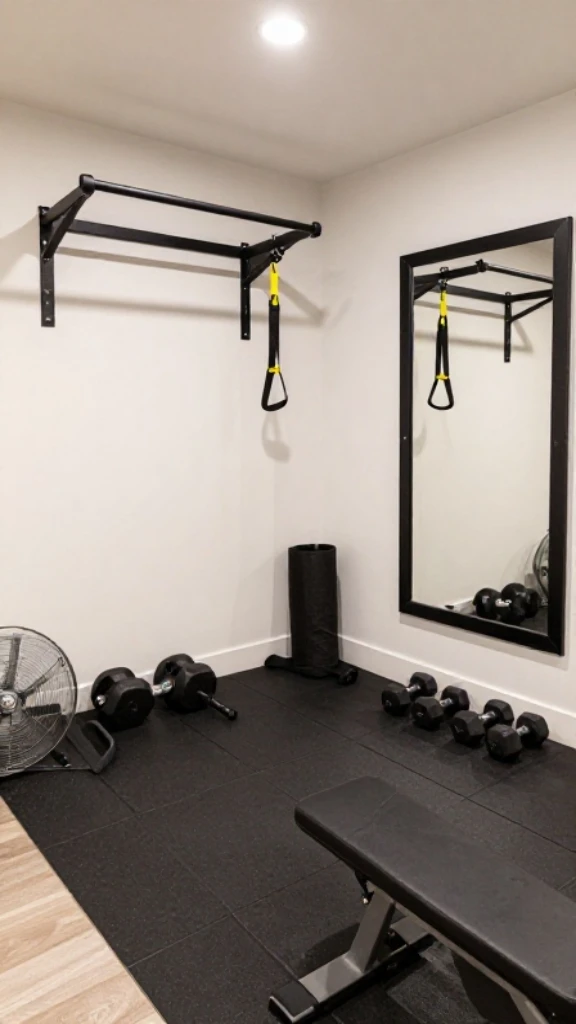
Incorporate exercise functionality directly into your bedroom layout, reducing excuses for skipping workouts. Allocate an area for free weights, resistance bands, a yoga mat, or whatever equipment matches your program. Install rubber flooring tiles in this part to protect your basement floor from falling weights and give cushioning for floor activities.
A wall-mounted pull-up bar or suspension training system maximizes vertical space without cluttering the floor. Include a full-length mirror that performs double duty—essential for evaluating form during exercises and beneficial when getting ready. If space permits, try a compact weight bench or adjustable dumbbells that don’t dominate the area visually.
Adequate ventilation becomes vital when exercising indoors; ensure your basement has proper airflow or add a quality fan. Positioning your workout zone near natural light sources, if accessible, makes morning exercise regimens more enticing and stimulating.
8. Sophisticated Bar Corner Setup
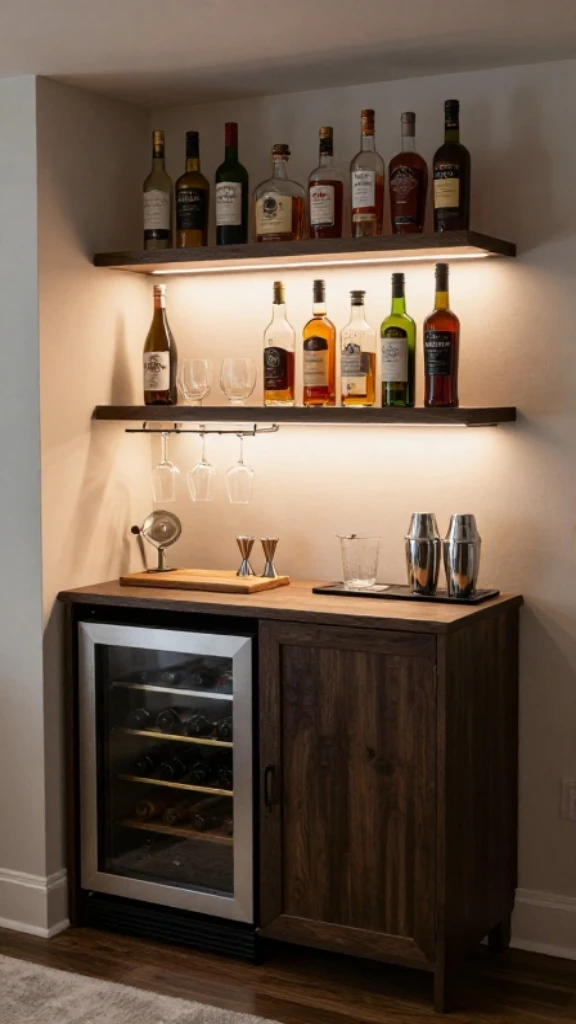
Create an attractive bar area that turns your basement bedroom into true bachelor pad territory. Install floating shelves or a compact bar cabinet to display your booze collection, glassware, and bar tools with intention. Include a small wine fridge or beverage cooler that keeps drinks perfectly iced without necessitating treks upstairs.
Proper glassware storage—hanging racks for wine glasses, specific areas for tumblers and highball glasses—shows attention to detail that guests notice. Add a modest prep space with a cocktail station, featuring a cutting board, jigger, shaker, and strainer for preparing superb drinks.
Backlit shelves create ambiance while displaying your bottle collection as ornamental pieces. This isn’t about constructing a full commercial bar; it’s about having a classy, accessible area for sipping a nightcap or entertaining close friends without the formality of heading to a separate entertainment room.
9. Smart Lighting Control Systems
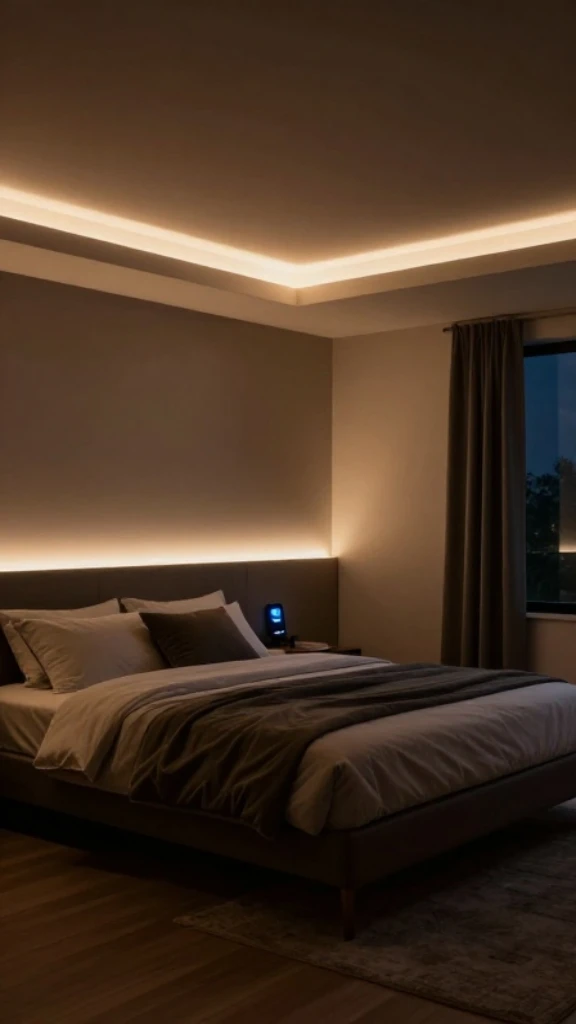
Invest in smart lighting that responds to different activities and times of day throughout your basement bedroom. Smart bulbs and switches enable you modify brightness, color temperature, and even color from your phone or voice commands. Create preset scenes—”Morning” with bright, cool light for waking up; “Reading” with focused bedside illumination; “Movie” with dimmed ambient lighting; and “Sleep” with minimal warm light.
Install LED strip lighting beneath headboards, under bookcases, or around ceiling perimeters for indirect illumination that provides depth without glaring brightness. Consider motion-activated illumination for nighttime navigation, especially useful in windowless basements where distinguishing day from night becomes tough.
Smart lighting also allows you to replicate natural light patterns, gradually increasing in the morning and lowering in the evening to complement your circadian rhythm. This technology investment offers benefits in comfort, convenience, and atmosphere control that traditional switches simply cannot match.
10. Textured Wall Treatments
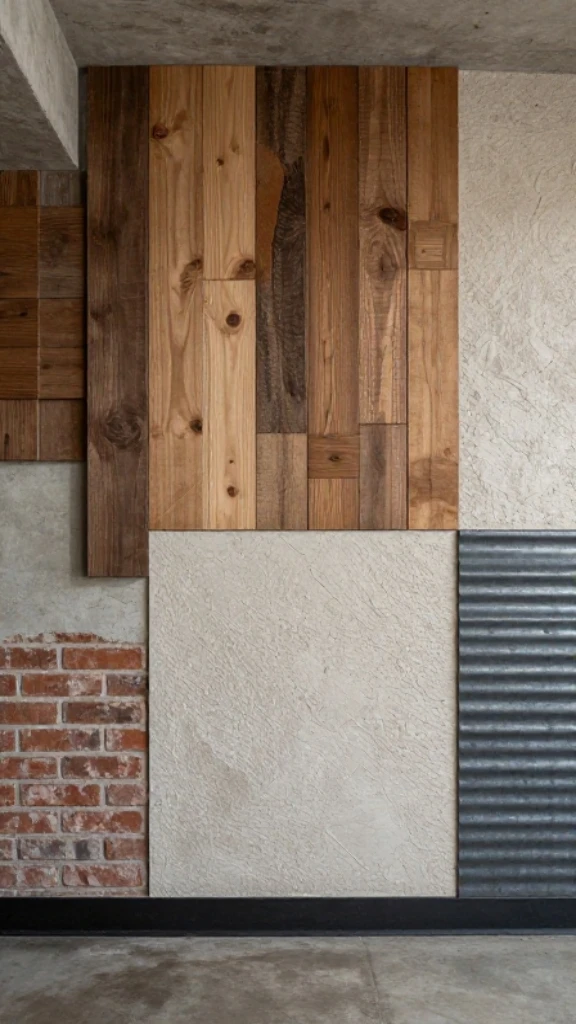
Add dimension and visual appeal through selected wall textures that break up flat surfaces and create focus areas. Wood accent walls employing shiplap, salvaged barn wood, or wood planks in varying tones offer warmth and organic texture to underground rooms.
Alternatively, consider textured wallpaper in geometric patterns, delicate grasscloth, or even concrete-effect finishes that complement the industrial vibe. Exposed brick (real or imitation) provides a traditional, masculine texture that never goes out of style.
You may put metal panels, corrugated steel sheets, or even leather tiles for truly unusual wall coverings. The idea is to produce tactile variation that makes the area feel more dynamic and deliberate.
Texture also helps with acoustics in basement rooms, absorbing sound and minimizing the echo that sometimes affects underground spaces with concrete walls. Focus textural treatments on one or two walls rather than overwhelming every surface, letting each material make a conscious statement.
11. Music Studio or Listening Room Features
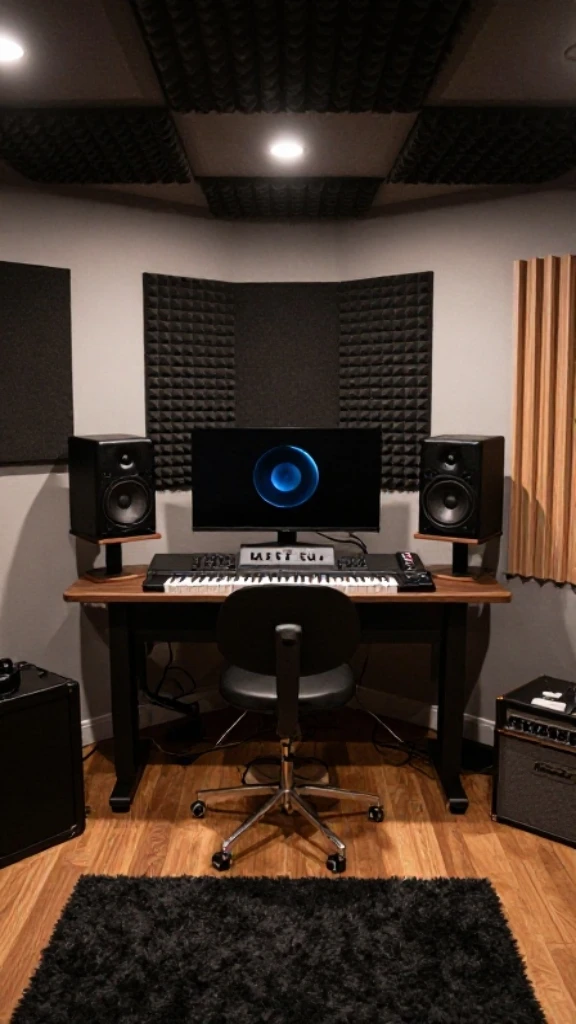
Design your basement bedroom to accommodate serious audio equipment for playing instruments or enjoying high-fidelity music. Install acoustic foam panels or bass traps that increase sound quality while acting as fascinating wall décor. Create a specific corner for musical instruments with correct stands, humidity control if needed, and adequate lighting for playing.
If you’re setting up recording equipment, include a small desk with cable management and a location that separates music production from sleeping regions. For listening fanatics, invest in superior speaker placement—bookshelf or floor-standing speakers positioned at optimum height and distance produce an immersive sound experience.
Consider soundproofing solutions like insulated walls or solid-core doors that enable you increase the volume without bothering others. Include comfortable seats positioned in the acoustic sweet spot for those periods when you’re just absorbing your favorite albums. Your basement’s seclusion from the main living room makes it perfect for musical interests without difficulties.
12. Minimalist Contemporary Approach
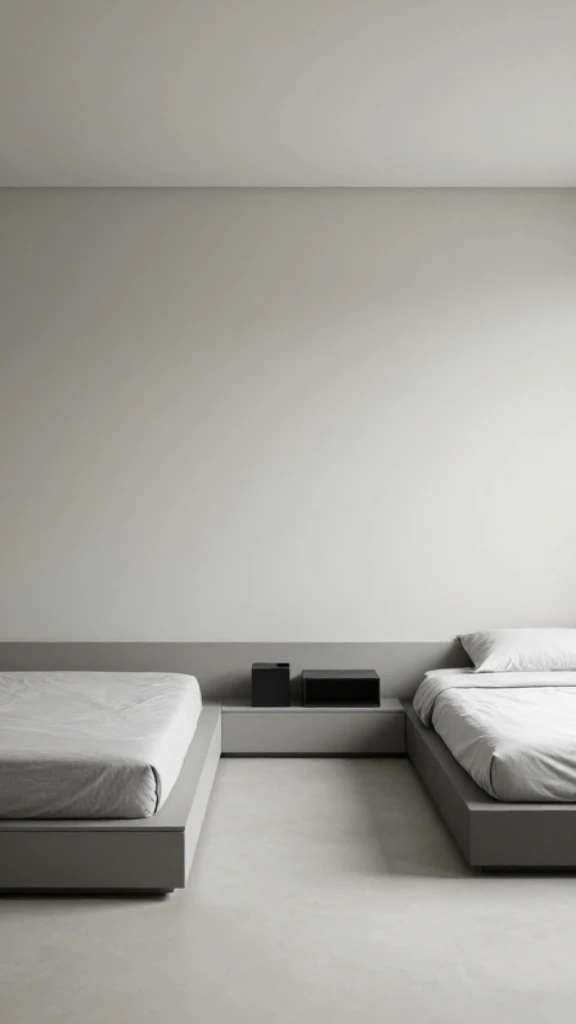
Embrace clean lines, neutral tones, and uncluttered surfaces for a zen-like basement bedroom that seems big despite limited square space. Choose low-profile furniture with simple silhouettes—platform beds, sleek dressers, and floating nightstands that don’t visually overload the space. Limit decorative goods to a few carefully selected pieces that fulfill either useful or highly significant objectives.
A basic palette of whites, grays, and blacks promotes cohesiveness, with possibly one accent color provided through a single artwork or throw cushion. Conceal storage behind locked cupboards or under mattresses to keep the minimalist image. This method particularly favors smaller basement bedrooms where every object needs to earn its spot.
The discipline of minimalism compels you to analyze what you genuinely value and use regularly, resulting in a place that feels intentional rather than accidentally scant. It’s not about deprivation but about generating breathing room and visual peace in your personal sanctuary.
13. Statement Ceiling Design
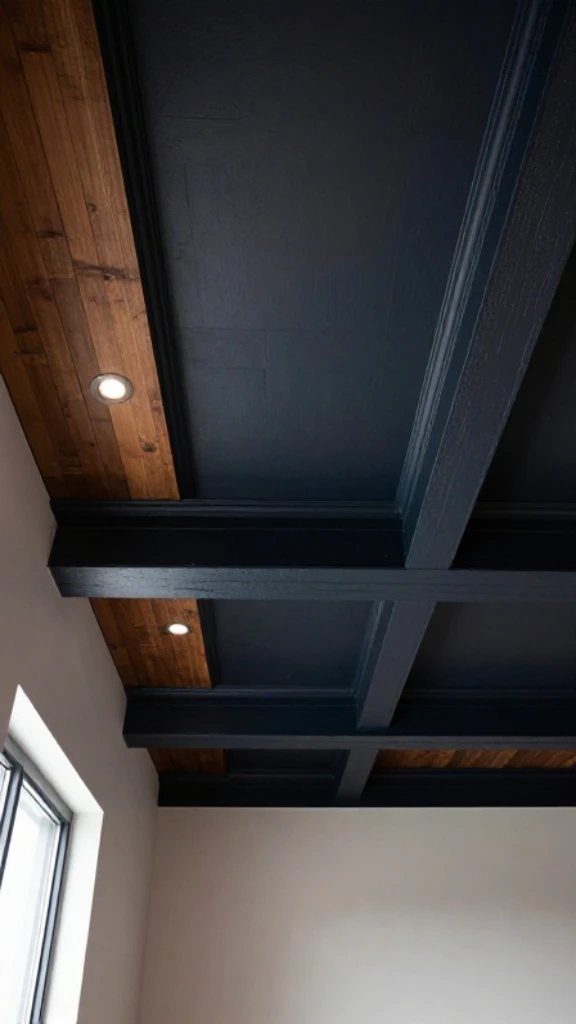
Draw eyes upward with a ceiling treatment that converts what’s frequently an unnoticed surface into a design feature. Paint your basement ceiling in a dramatic color—deep charcoal, navy, or even matte black—that generates drama and makes the room feel more personal.
Expose and paint joists or ducting in contrasting colors for an industrial-modern style that celebrates rather than hides mechanical aspects. Install wood plank ceilings running perpendicular to the room’s length to make tight basements feel wider.
Coffered ceiling elements enhance architectural interest and perceived height even in spaces with reduced clearance. If your budget allows, consider adding acoustic ceiling tiles in intriguing patterns that improve sound quality while looking intentional.
Recessed lighting positioned strategically in ceiling treatments creates layers of illumination that enhance the overall appearance. Remember that people spend considerable time staring at bedroom ceilings, so making this surface intriguing adds surprising refinement to your underground sanctuary.
14. Personal Collection Display Areas
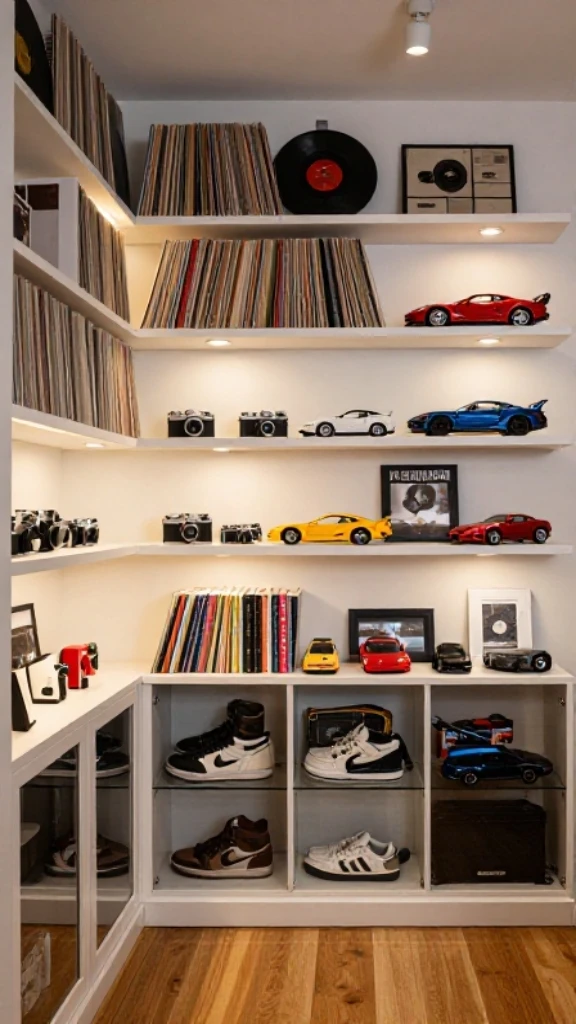
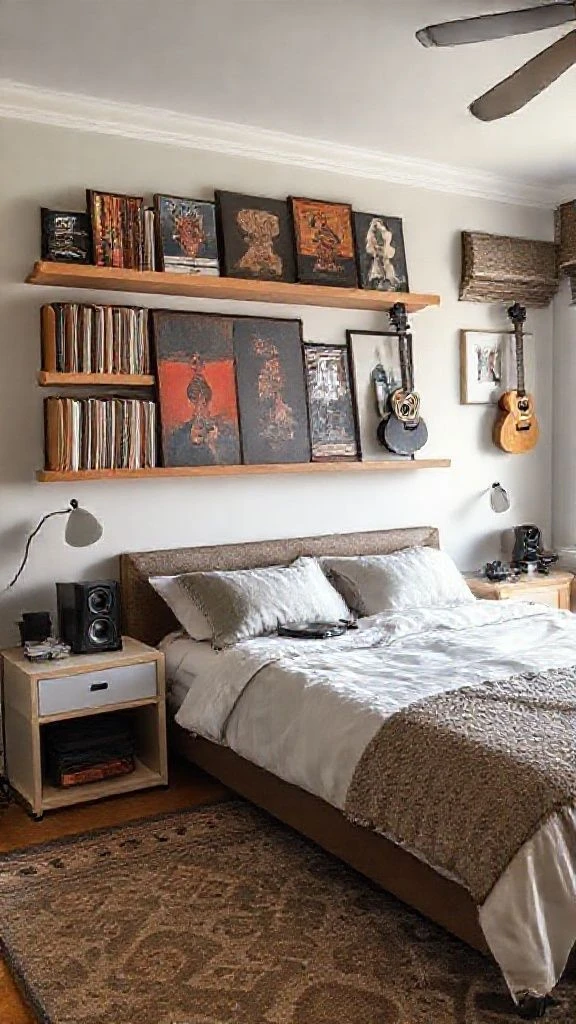
Dedicate wall space or built-in storage to presenting collections that represent your hobbies and personality. Whether it’s vinyl records, vintage cameras, model cars, novels, or sneakers, exhibiting collections intelligently takes them from clutter to curated exhibition. Use uniform shelves or display cases that maintain visual uniformity even when the objects actually differ.
Implement suitable lighting—small LED spotlights or strip lights—that emphasizes your collection without glare. Organize goods by color, size, era, or theme rather than randomly arranging them. Consider rotating displays yearly if your collection is substantial, keeping the visual presentation new and preventing excessive density.
Glass-fronted cabinets protect important things from cellar humidity while keeping them visible. Your collections tell your narrative; presenting them correctly conveys pride in your hobbies while offering genuine conversation starters when people visit. The main difference between “messy” and “curated” resides entirely in presentation, lighting, and the intentional arrangement of your valued belongings.
15. Luxurious Bedding and Textile Layers
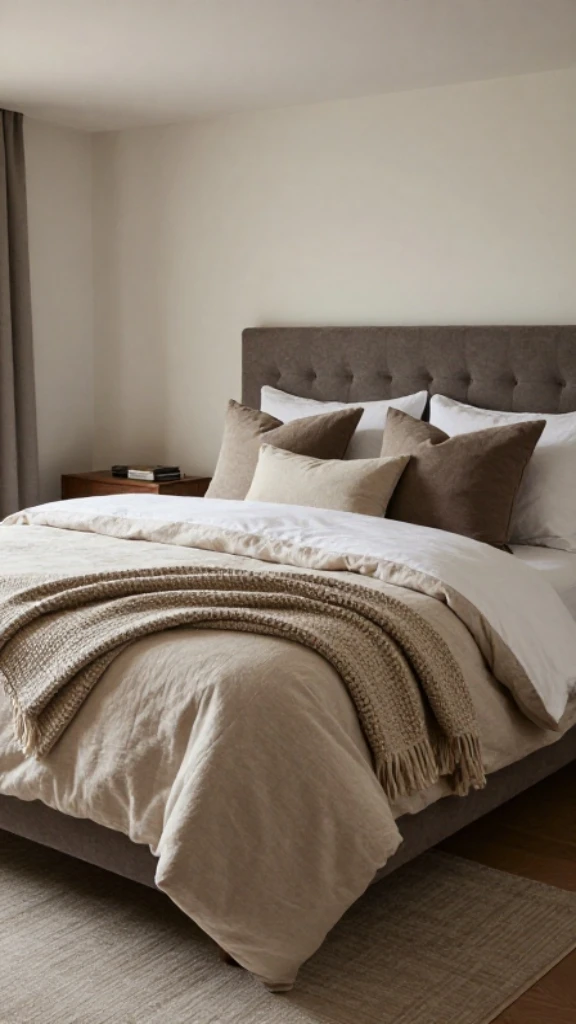
Invest in high-quality bedding that converts your basement bedroom into a genuine refuge worth retreating to. Start with a premium mattress tailored to your sleep preferences, then layer with quality sheets—Egyptian cotton, linen, or bamboo, depending on your temperature preferences and texture preferences.
A thick duvet or cover in a neutral or rich hue supports the bed visually and provides warmth in cooler basement temps. Add texture through throw blankets in diverse materials—chunky knits, soft fleece, or woven cotton. Multiple pillow sizes provide a hotel-like feel; start with sleeping pillows, add regular or king shams, then end with ornamental accent pillows in complementary hues.
Don’t overlook the foundation—an upholstered or sturdy wood headboard makes the bed feel planned rather than transitory. Quality textiles increase the sensory experience of your bedroom, making it genuinely therapeutic. Since basements often seem cooler than higher floors, these layers give both aesthetic appeal and practical warmth.
16. Strategic Mirror Placement
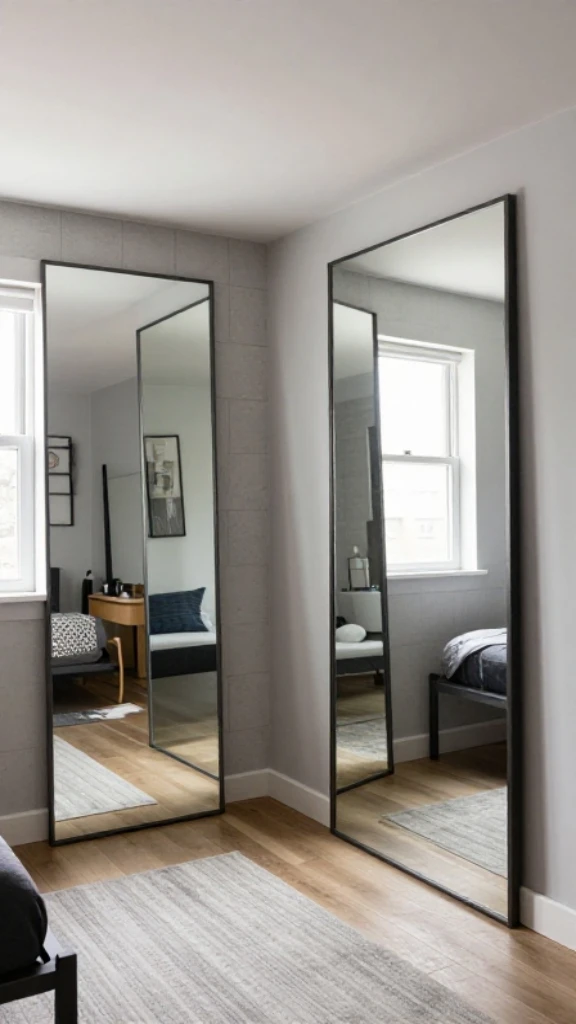
Maximize light and create the sense of extra space through strategically positioned mirrors throughout your basement bedroom. A huge mirror opposite any window or light source reflects and doubles available light, mitigating the typically dark sensation of underground places. Full-length mirrors offer practical getting-dressed functions while attractively enlarging the room.
Consider mirror tiles or a mirrored wall piece rather than standard framed mirrors for a modern, dimensional look. Position mirrors to reflect fascinating design elements—your textured accent wall, artwork, or architectural features—rather than merely reflecting practical spaces.
Mirror placement in windowless basements is particularly significant since they compensate for restricted natural light. Frameless or industrial-style metal-framed mirrors complement masculine looks better than ornate traditional frames.
Just avoid situating mirrors directly opposite the bed, which some find disruptive to sleep. Thoughtful mirror integration helps basements feel brighter, larger, and more open without requiring structural adjustments or increased square footage.
17. Climate Control and Air Quality
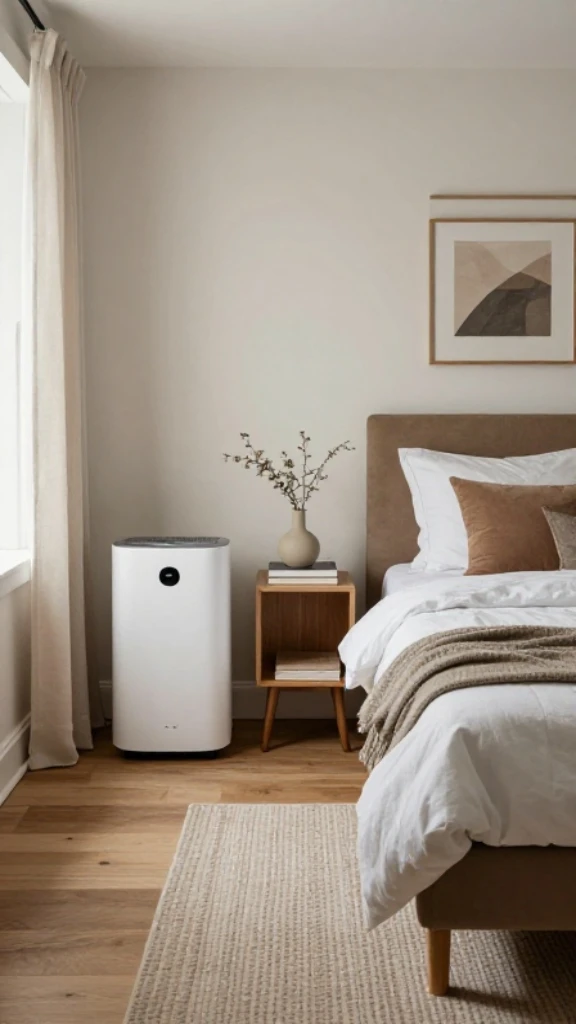
Address basement-specific environmental concerns to ensure your bedroom remains pleasant and healthy year-round. Install a dehumidifier to manage moisture levels that typically plague below-grade locations, minimizing musty aromas and safeguarding furniture from humidity damage.
Consider a separate thermostat for your basement zone if your HVAC system allows, providing you control over temperature independent of upper levels. Air purifiers with HEPA filters increase air quality, particularly significant in sealed basement situations with restricted air exchange.
Ensure appropriate ventilation through properly operating vents or consider adding a supplementary fan if circulation seems inadequate. Check for and seal any air leaks around windows, doors, or foundation penetrations that let in dampness or outside air.
Use washable, hypoallergenic bedding materials that prevent mold and mildew growth. Some basements benefit from a small space heater in winter months since they tend to run cooler than the above floors. Addressing climate means your basement bedroom becomes a relaxing escape rather than an area you tolerate, making all your design efforts worthwhile.
18. Home Office Integration
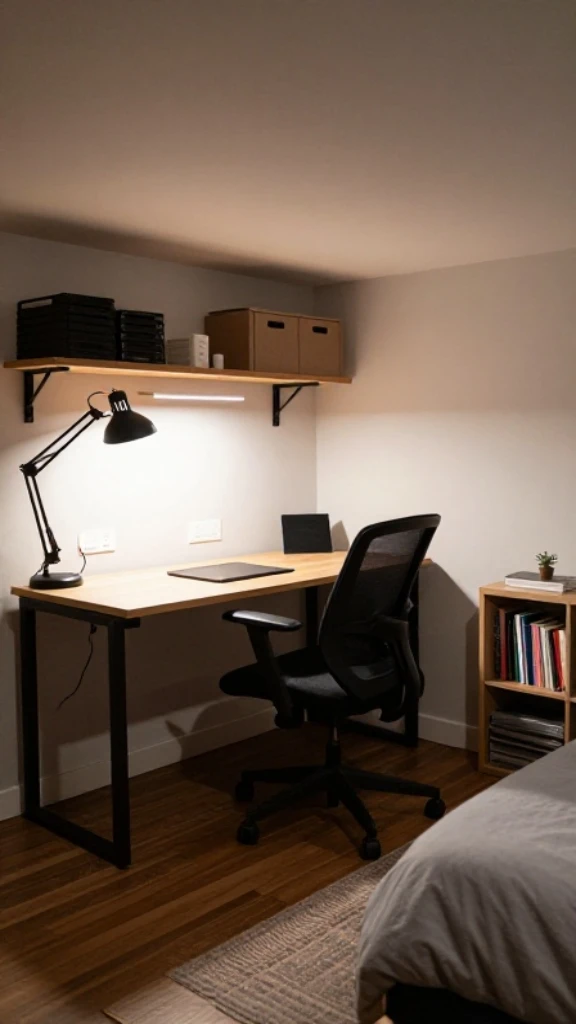
Incorporate a useful office into your basement bedroom for folks who work from home or require a private study space. Position a decent desk with ergonomic seats near outlets and, if possible, any natural light sources. Separate the office zone from the sleeping region either through furniture arrangement or subtle room dividers that keep distinct locations for different pursuits.
Install task lighting specifically for the workstation area—adjustable lamps or under-cabinet lights—that gives appropriate illumination without affecting the bedroom’s ambiance while not working. Cable management becomes crucial; utilize cord covers, clips, or channels to keep technological cables orderly and inconspicuous.
Include storage exclusively for work materials—filing systems, supply drawers, or shelving—so office goods don’t migrate into sleeping quarters. A modest bookshelf or credenza provides both storage and a visual border between zones.
The problem is creating a real workstation that you can mentally “leave” after the workday finishes, vital for keeping healthy boundaries between professional and personal time within a single location.
19. Vintage or Retro Themed Elements
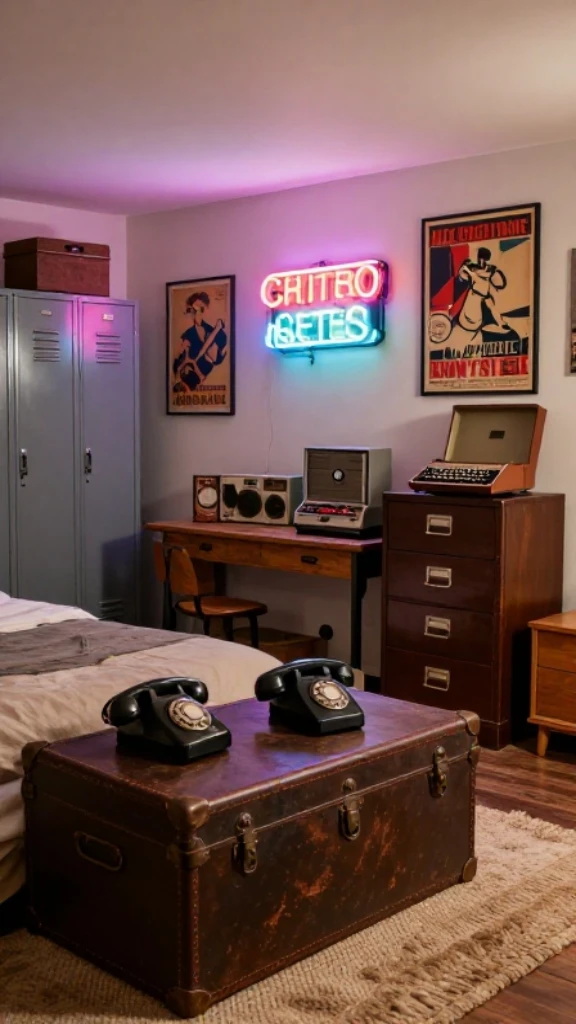
Incorporate nostalgic decor objects that offer character and tell stories in your basement bedroom. Hunt for vintage industrial furniture from industry settings—metal lockers, workbenches, or filing cabinets that give storage with true patina. Retro neon signs, vintage advertising posters, or mid-century modern artwork provide focus points with true individuality.
Consider a renovated vintage trunk that doubles as both storage and a coffee table option. Old-school analog equipment like record players, rotary phones, or manual typewriters (even if non-functional) provides conversational elements that cellphones and laptops just cannot supply.
The key is authenticity—actual old objects carry more weight than modern copies trying to achieve vintage aesthetics. Scour estate sales, antique shops, or internet markets for unusual treasures that resonate with your specific interests.
Mix historical components with contemporary pieces to avoid creating a museum rather than a living place. This strategy offers your basement bedroom a collected-over-time feeling that seems lived-in and genuine rather than designed all at once from a single retailer.
20. Egress Window Installation
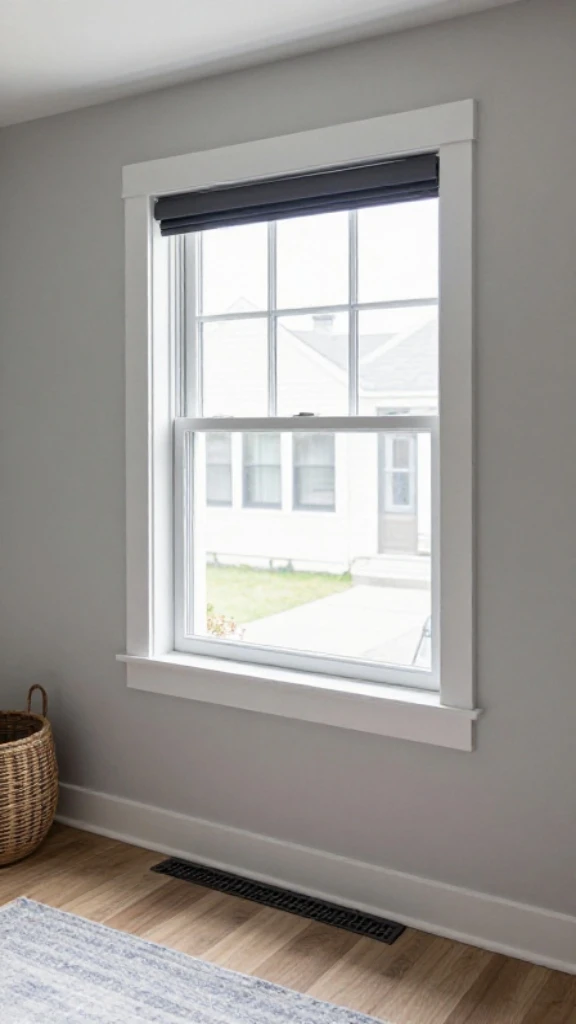
Prioritize safety and legal compliance by ensuring your basement bedroom provides sufficient emergency egress, generally through a code-compliant window. Beyond meeting architectural codes for habitable sleeping places, egress windows transform basements by adding natural light and fresh air circulation.
Install a window well with sufficient drainage to fit the below-grade aperture, maybe adding decorative stone or metal grating for aesthetic appeal. The introduction of true sunshine significantly transforms how basement bedrooms feel—less like dungeons and more like legitimate spaces.
Consider the window as an opportunity for a reading nook or seating space that takes advantage of natural light. Proper window treatments balance seclusion with light admission; consider blackout shades or drapes that may be opened during the day and closed for sleeping.
If building an escape window isn’t practical in your basement, examine alternate egress solutions, such as correctly sized doors leading to outdoor stairwells. This isn’t just about ticking a legal box; it’s about building a safer, more pleasant living environment that you’ll actually like spending time in.
FAQs
How can I make a basement bedroom feel less like a cellar?
Maximize lighting using tiered fixtures providing ambient, job, and accent lighting. Add warm materials, comfortable furnishings, and personal touches that make the place feel carefully intended rather than makeshift. Paint walls in pleasant hues and, if possible, install or widen windows. The idea is to establish a destination location you’re excited to spend time in.
What flooring works best for basement bedrooms?
Luxury vinyl plank, engineered hardwood, or carpet tiles perform well since they handle moisture better than traditional hardwood. Add area rugs for warmth and texture. Ensure you solve any moisture issues before adding flooring, and explore subflooring systems built for basements that provide insulation and vapor barriers.
How can I soundproof my basement bedroom?
Install acoustic panels on walls and ceilings, add weatherstripping to doors, use solid-core doors instead of hollow ones, and consider insulating walls if they’re exposed. Heavy curtains, upholstered furniture, and rugs also absorb sound. Perfect soundproofing is expensive, but these techniques considerably minimize noise transmission in both directions.
Do I need a dehumidifier in a basement bedroom?
Most basement bedrooms benefit from dehumidifiers, as below-grade locations naturally retain more moisture. Aim for humidity levels between 30-50% to prevent mold, protect furnishings, and maintain comfort. Modern dehumidifiers with auto-shutoff and drainage hoses function without regular monitoring, making them low-maintenance alternatives.
What furniture size fits for basement bedroom?
Measure carefully, factoring for lower ceilings and odd architectural details. Choose lower-profile furniture that doesn’t visibly crowd the room. Consider modular elements that can be modified as needs change. Multi-functional furniture, like storage beds or ottomans with integrated storage, uses limited square footage efficiently.
Buy Now


Conclusion
Designing a basement bedroom allows amazing creative freedom to design a masculine retreat exactly matched to your lifestyle and hobbies.
Whether you’re driven to industrial aesthetics, cozy minimalism, or entertainment-focused layouts, the key is tackling basement-specific difficulties like lighting, dampness, and ceiling height while capitalizing on the isolation and separation these areas naturally give.
I’ve seen several basement renovations that started as frightening jobs and ended as the favorite rooms in the house—spaces their owners actually prefer over any other bedroom.
Don’t rush the process; take time to adequately address fundamentals like climate control and egress before plunging into cosmetic selections. Your basement bedroom should feel like a planned sanctuary, not a compromise.
With thorough planning and these design strategies, you’ll build a subterranean getaway that’s stylish, cozy, and clearly yours.