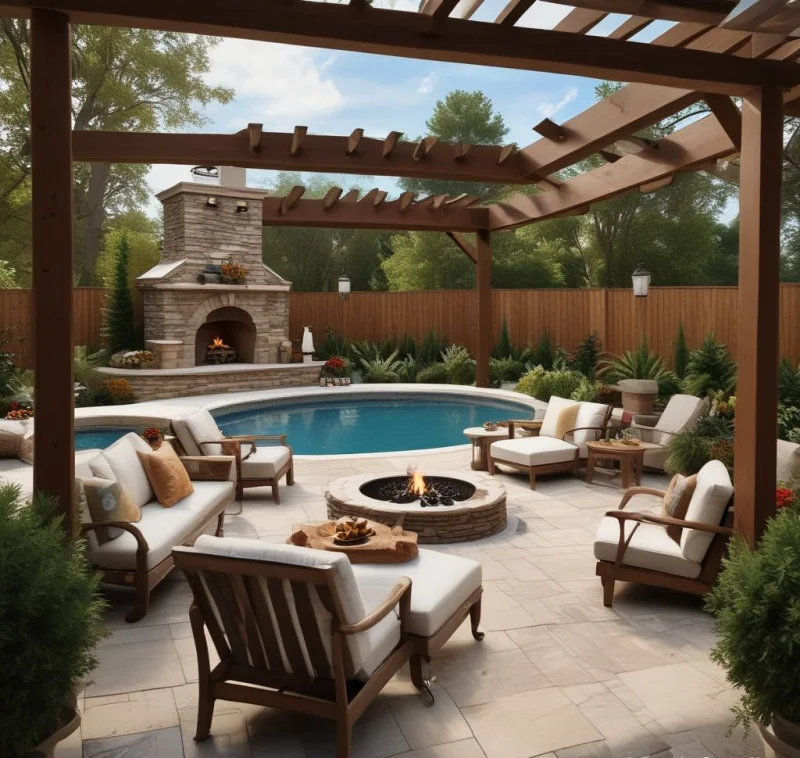
I clearly remember staring at my little backyard, wondering if a deck was even conceivable in such a tiny place. I was disappointed seeing all those enormous outdoor installations online.
But here’s the truth: tiny yards may be absolute beauties when arranged thoughtfully. You don’t need acres of space to design a gorgeous, usable deck that becomes your favorite area to unwind.
With thoughtful planning and imaginative additions, even the most modest outdoor space can be transformed into an attractive refuge.
Whether you’re working with a tiny side yard or a diminutive patio space, the perfect deck design may make your little yard appear unexpectedly vast and very attractive.
1. Floating Corner Platform
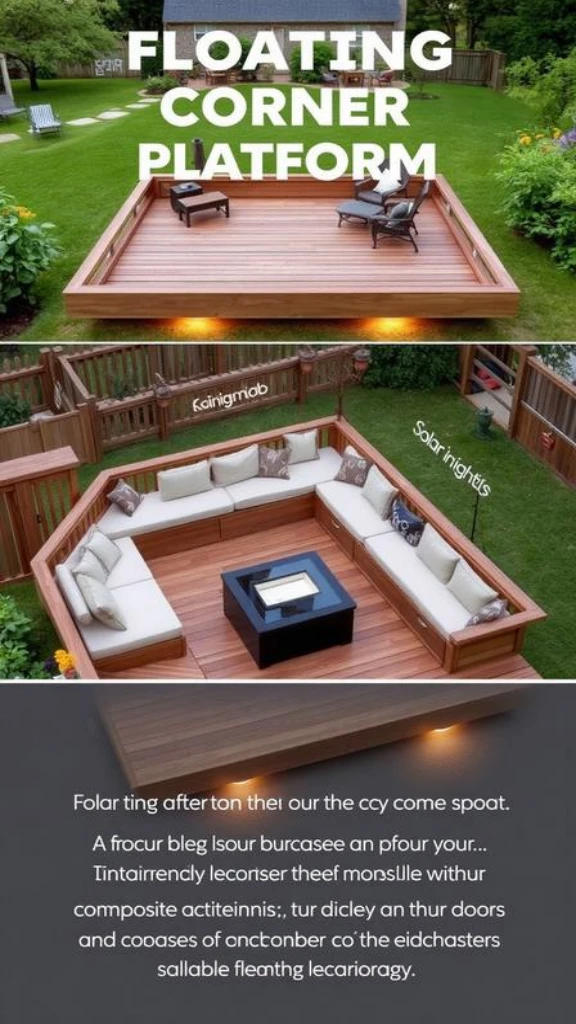
A floating corner deck wraps two sides of your yard, offering an intimate meeting location without overwhelming the space. This plan works brilliantly because it leaves the middle of your yard open, making everything feel larger than it actually is.
Build it low to the ground, utilizing composite materials for easeof maintenance and durability. Add built-in seats along the borders to save space while offering plenty of room for guests.
The corner placement also promotes natural flow, directing people from your back entrance into the yard easily. Consider adding solar-powered lights underneath for a wonderful floating effect at night. This strategy increases usable area while leaving your yard feeling open and breathable.
2. Multi-Level Mini Terraces
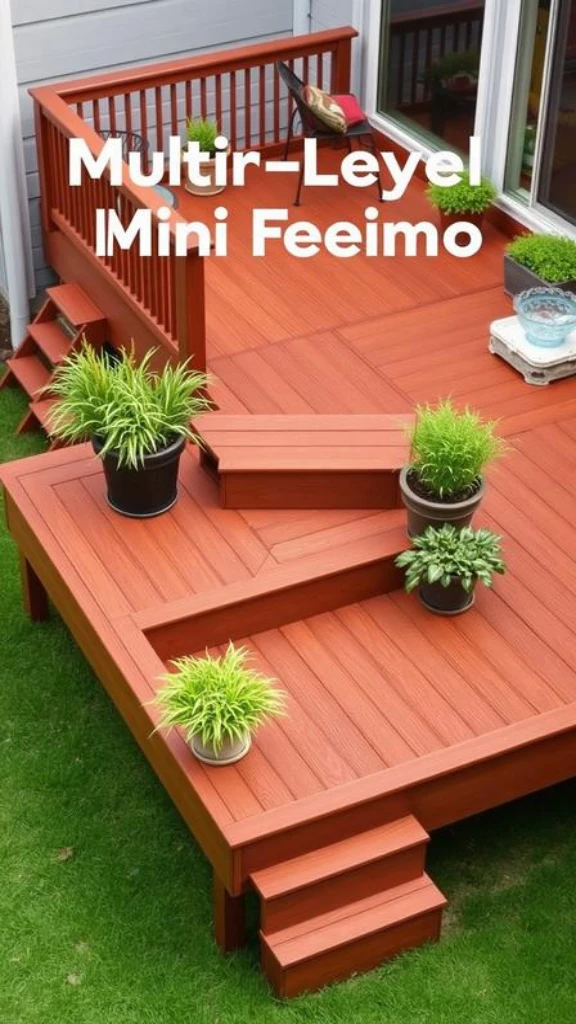
Breaking your deck into two or three modest levels provides dimension and visual intrigue to confined spaces. Each level can serve a different purpose—one for dining, another for sitting, and even a third for potted plants.
The elevation fluctuations automatically delineate zones without needing walls or separators. Use contrasting stain colors or materials between levels to emphasize the distinction. Steps between platforms don’t need to be magnificent; even a six-inch height difference creates different spaces.
This architectural approach makes your yard feel more expansive because the eye wanders across several planes. Multi-level decks also help with sloped yards, turning a tough landscape into an attractive feature.
3. Wrap-Around Narrow Boardwalk
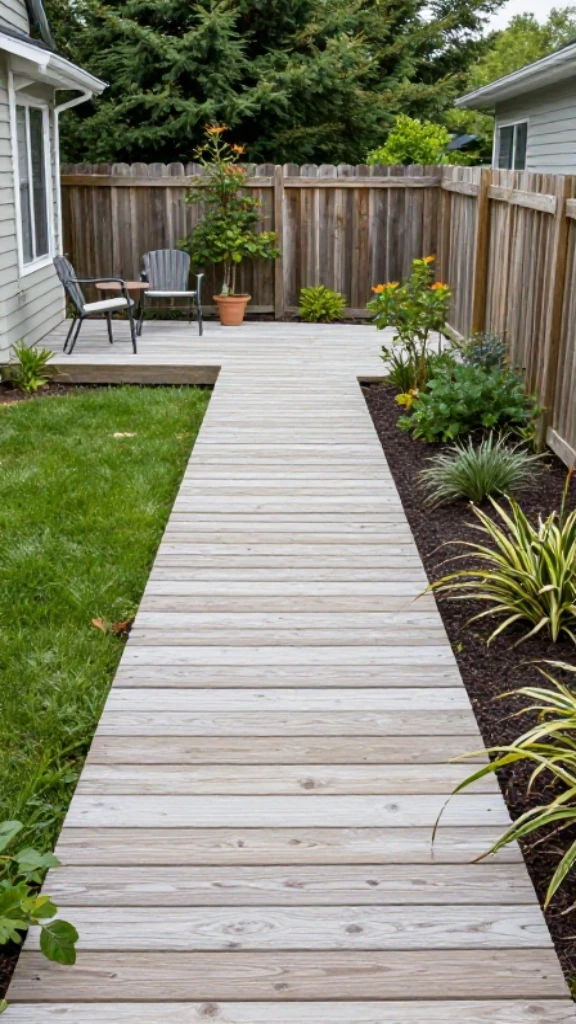
Instead of one enormous deck, make a narrow boardwalk that loops around your house or follows your fence line. This pathway-style deck provides a usable walking area while leaving room for vegetable beds in the middle of your yard.
Make it about three to four feet wide—just enough for easy passage and a small chair. The continuous flow leads the eye across the entire area, producing an appearance of additional square footage.
You can extend specific parts significantly to allow a bistro set or a lounge chair. This design works remarkably well for extremely narrow yards where typical decks would feel claustrophobic. Plus, it’s easier on your budget since you’re utilizing less material overall.
4. Raised Garden Box Perimeter
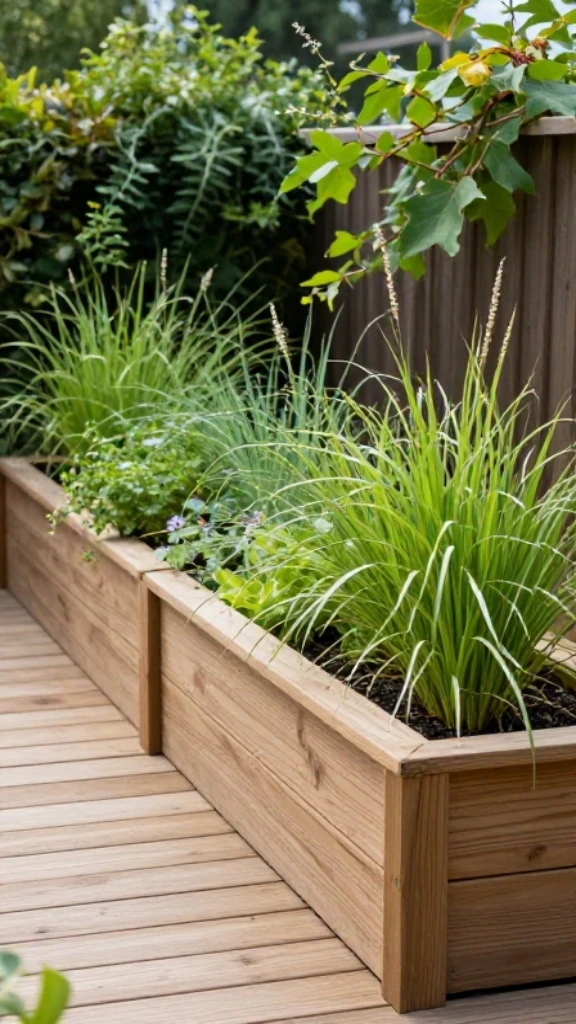
Combine use with beauty by designing your deck with incorporated raised garden boxes along the edges. These pots work as natural fencing while giving space for herbs, flowers, or vegetables. The vegetation softens the hardscape and adds privacy without constructing rigid barriers.
Use weather-resistant wood or composite lumber for the boxes, ensuring sufficient drainage underneath. This design is great for tiny yards because it eliminates the need for distinct garden areas—everything coexists nicely.
Fill boxes with tall decorative grasses or climbing plants to increase privacy over time. The combination of deck and garden provides a lush, layered effect that makes compact areas feel planned rather than confined.
5. Diagonal Decking Pattern
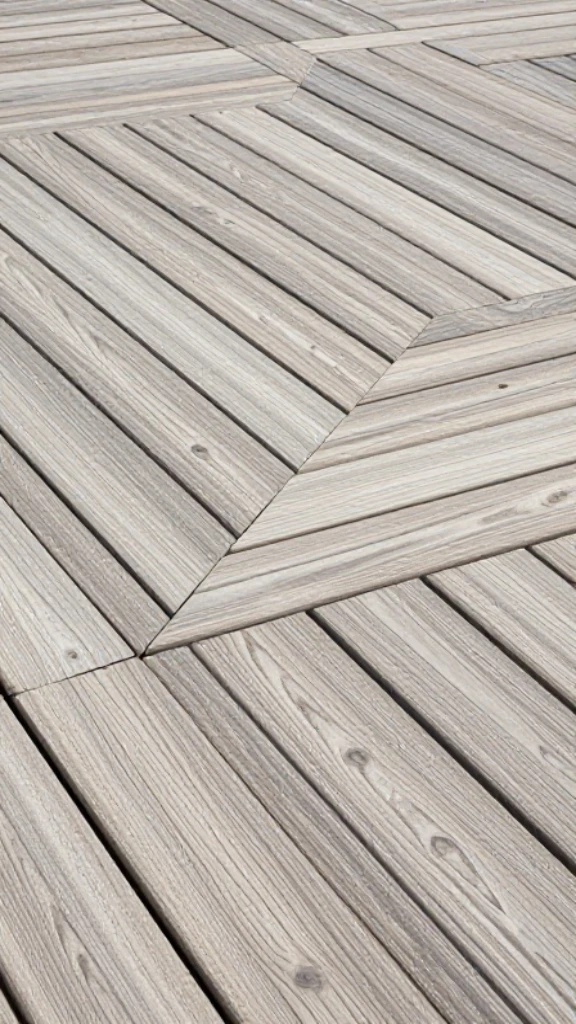
Laying your deck planks diagonally instead of parallel to the house generates an optical illusion that makes spaces appear broader. This simple trick adds visual movement and refinement to even the tiniest deck.
The diagonal lines lead eyes outward, widening the seeming borders of your yard. Pair this design with a border of contrasting boards to frame the room beautifully. Yes, diagonal installation consumes somewhat more material and requires extra cutting, but the visual impact is definitely worth it.
This technique works especially well on rectangular or square decks when you want to break up the boxy feeling. Consider employing this pattern on smaller decks where every design piece needs to work overtime.
6. Built-In Storage Benches
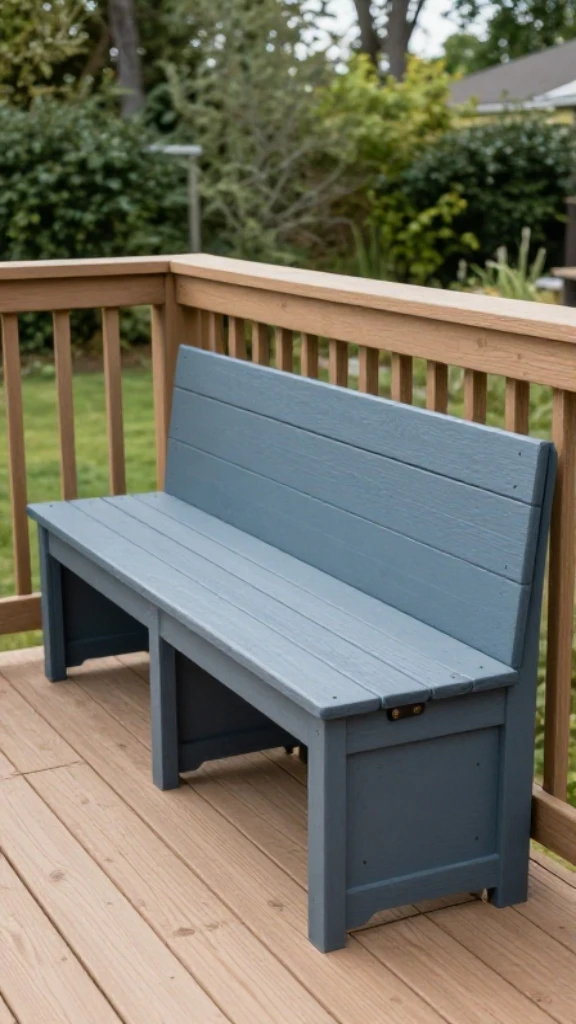
Maximize every inch by putting storage benches directly into your deck design. These dual-purpose elements enable seats while hiding away cushions, gardening tools, or outdoor toys. Build them along the perimeter or back wall, utilizing hinged tops for convenient access.
The bench backs may double as railings, saving even more room and materials. In my experience, storage benches minimize clutter that makes tiny spaces feel cluttered. Choose weather-resistant hinges and install rubber seals to keep contents dry.
Stain or paint benches to match your deck or create an accent color for visual impact. This practical solution keeps your tiny deck tidy and functioning without losing flair.
7. Vertical Garden Wall Feature
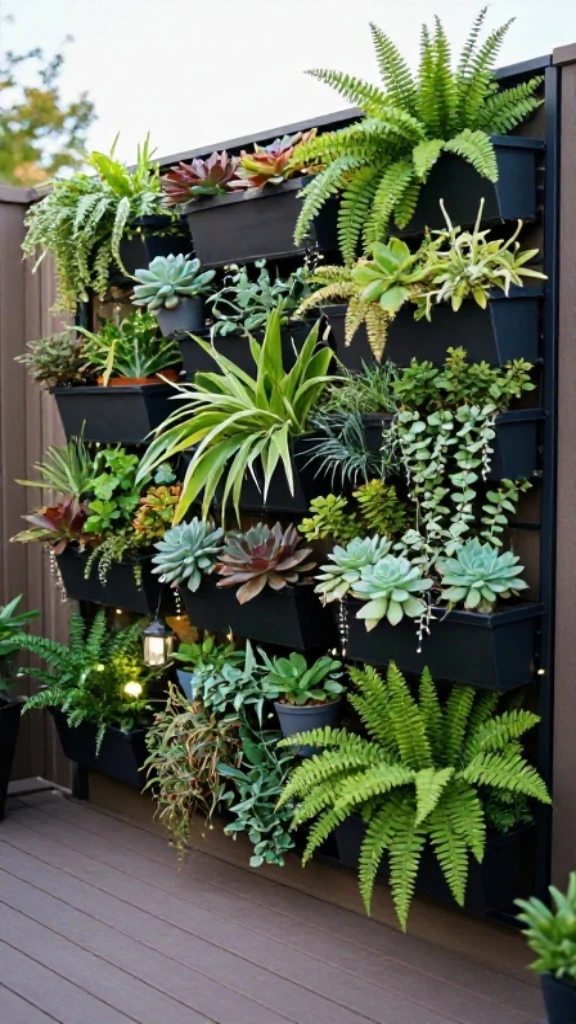
When horizontal space is limited, go vertical with a gorgeous garden wall attached to your deck. Install a trellis, living wall system, or hanging planter grid that transforms a simple fence into a focal point. This adds personality without taking up precious floor space for pots and planters.
Vertical flora also provides natural privacy screening and helps your small yard feel more secluded. Choose plants that flourish in your climate—succulents for sunny locations, ferns for shade.
The living wall offers depth and texture, making your deck area feel like a constructed outside room. Include string lights or miniature lanterns threaded among the plants for evening charm.
8. Foldable Furniture Station
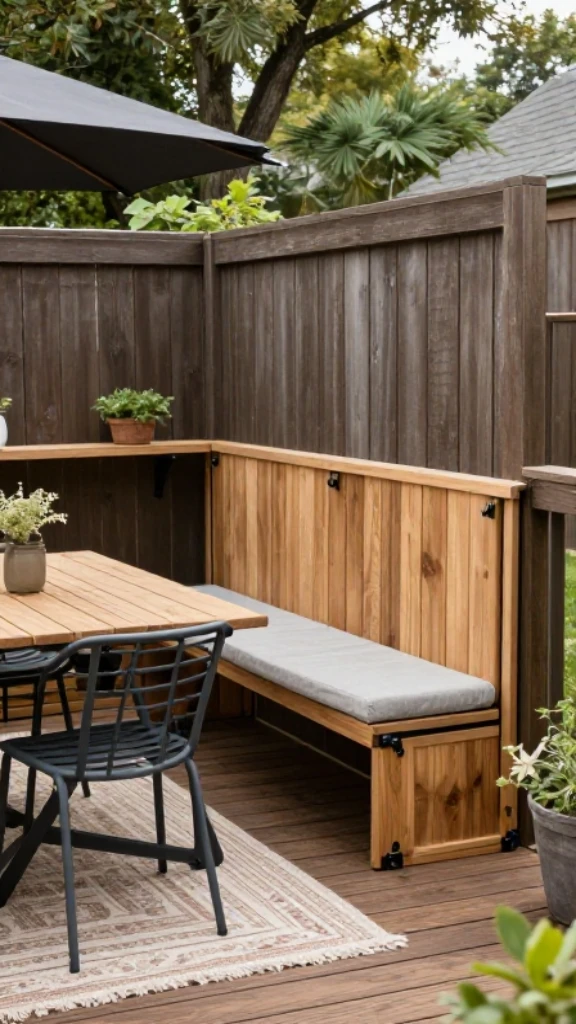
Design your deck around furniture that folds, stacks, or collapses when not in use. Create a special storage alcove or wall hooks where everything tucks away neatly. This design enables you enjoy full utility when entertaining but maintains the deck spacious for daily living.
Look for bistro sets that fold flat, nesting tables, or benches that slide under railings. I’ve found this flexibility important in extremely tiny yards where a permanent dining table would dominate.
Add an outside mat to delineate the space while furniture is deployed, then roll it up along with the chairs. This adjustable structure means your deck serves numerous purposes depending on your demands each day.
9. Extended Living Room Concept

Blur the barriers between indoor and outdoor by arranging your deck as a true extension of your living area. Use similar color palettes, lighting schemes, and even coordinating throw pillows or rugs. Install large sliding or French doors to create a seamless transition between spaces.
When the door opens wide, your modest yard suddenly feels like added square footage rather than a distinct region. Add an outside mirror on a fence to reflect light and create depth.
This integrated design makes both your inside and exterior feel larger. Treat your deck with the same decorating attention you’d give any room—because functionally, that’s precisely what it becomes.
10. Sunken Conversation Pit
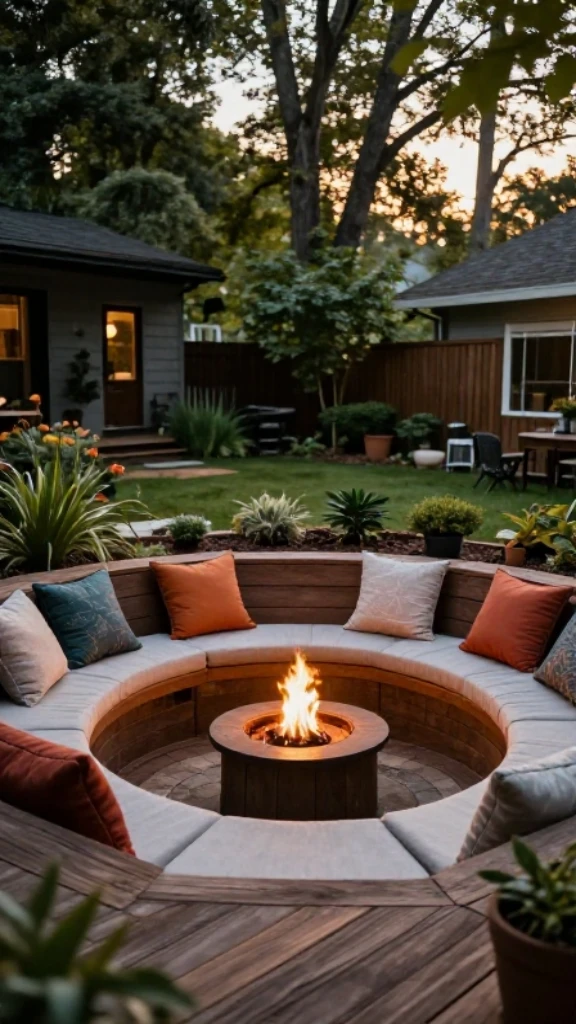
If your yard has a natural slope or you’re prepared to excavate somewhat, a sunken deck offers an extraordinarily comfortable ambiance. Lower the deck level by twelve to eighteen inches, creating built-in seats around the perimeter.
This style feels private and intimate, suitable for evening discussions or morning coffee. The lowered position also decreases the perceived bulk of the deck when viewed from within your house. Add cushions to the built-in benches for comfort and flashes of color.
Fire pits work nicely in sunken decks as they’re naturally enclosed and safer. Though it involves more construction effort, the unique, room-like character makes small spaces feel carefully made rather than just small.
11. L-Shaped Corner Maximizer
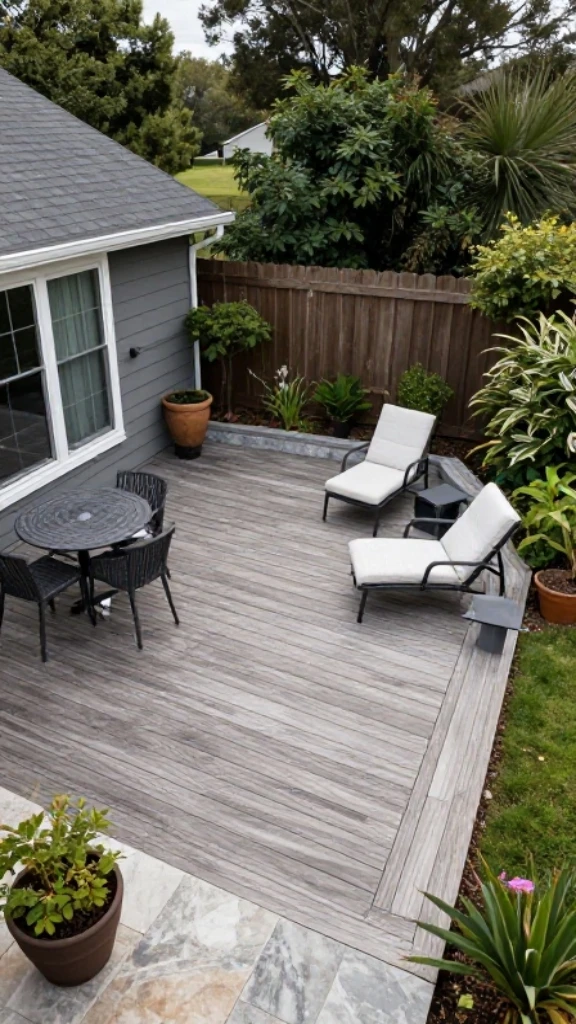
An L-shaped deck wraps around a corner of your house, creating two different zones while keeping an open atmosphere. One arm might house your dining area while the other fits lounge chairs or a small garden.
This layout uses corner space efficiently—an area that often goes underused in tiny yards. The shape naturally generates a sense of enclosure without walls, making the deck feel cozy rather than exposed. Connect the two arms at a 90-degree angle or soften the corner with a diagonal cut.
This shape also protects one side from wind, giving a more comfortable microclimate. Add various flooring patterns to each arm to further create discrete functional zones.
12. Minimalist Platform with One Statement Feature
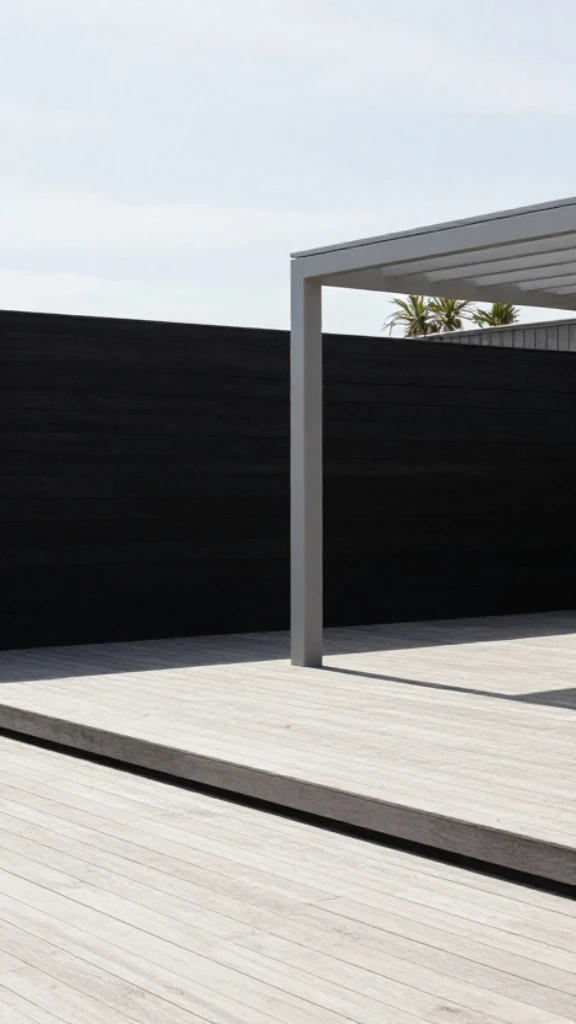
Sometimes less truly is more in confined areas. Build a modest, clean platform deck and let one magnificent feature become the headliner. This might be a magnificent pergola, a water feature, sculptural planter, or even an outdoor fireplace.
The clean approach makes the area feel larger and more intentional. Choose quality over quantity—one magnificent focal point trumps multiple mediocre items jostling for attention. Keep furnishings basic and multi-functional.
This method works particularly well if you enjoy clean, modern looks. The simplicity also makes maintenance easier, which is honestly important when you’re balancing busy lives. A minimalist deck illustrates that judicious restraint can achieve great visual impact even in the smallest footprint.
13. Checkerboard Deck and Garden
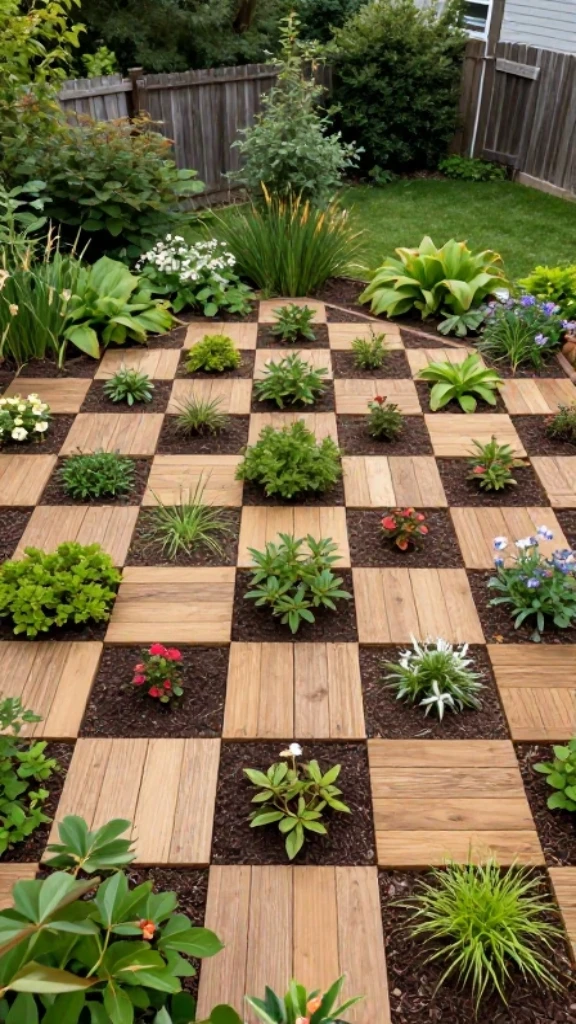
Alternate deck squares with planted garden portions in a checkerboard pattern across your tiny yard. This fun design adds visual rhythm while decreasing the quantity of decking needed. Plant sections can store ground covers, flowers, small shrubs, or even miniature trees, depending on size.
The pattern breaks up what could be an intimidating expanse of wood in a compact area. Make each square around three to four feet, keeping proportions manageable. This strategy works brilliantly in yards where you want both an entertaining area and flora, but can’t accommodate distinct zones.
The alternating pattern organically leads movement through the space. Plus, it’s really budget-friendly since you’re purchasing less decking material overall.
14. Deck with Integrated Daybed
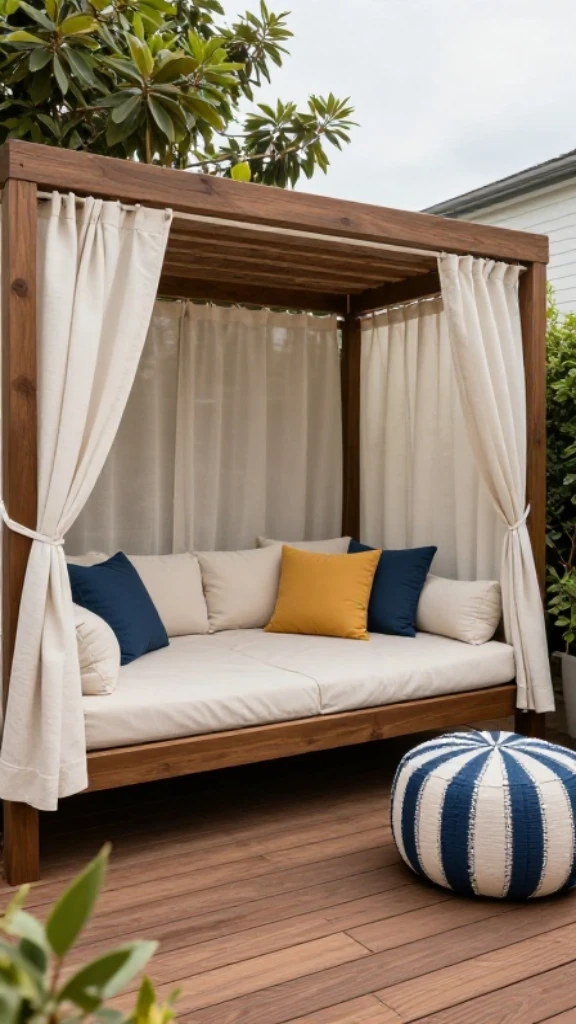
Transform a part of your modest deck into a built-in daybed or lounging platform. Frame an area roughly twin or full-bed size with raised edges, add waterproof cushions, and surround it with privacy screens or curtains. This generates an instant holiday vibe, turning your modest yard into a personal sanctuary.
The daybed becomes both a utilitarian sitting and a dramatic design statement. Use outdoor textiles that withstand the elements but feel elegant and inviting. Add throw cushions and perhaps an outdoor pouf for extra comfort.
From my perspective, this layout makes modest yards feel more valuable—like you’ve built a resort experience at home. It’s excellent for afternoon reading, stargazing, or just escaping the indoor grind.
15. Pergola-Covered Intimate Space
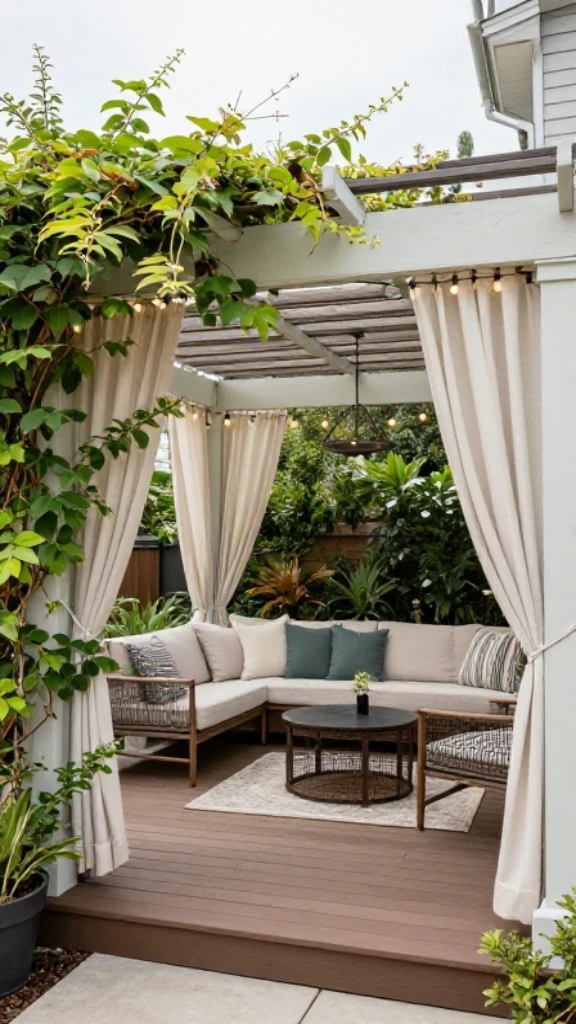
Install a pergola over your entire small deck to define the space and provide architectural interest overhead. The construction makes the deck feel room-like and deliberate, compensating for restricted square footage.
Grow climbing plants over the beams for natural shade and a wonderful ambiance. Hang patio drapes, string lights, or even a chandelier from the pergola structure. This vertical feature leads the eyes upward, producing the sense of more space than actually exists.
Pergolas can give modest shade while keeping the area bright and open—important in compact yards where heavy roofs might seem oppressive. Stain or paint the pergola to complement your house, giving design cohesiveness. The covered space becomes your favorite outdoor room regardless of yard size.
16. Rolling Deck Sections
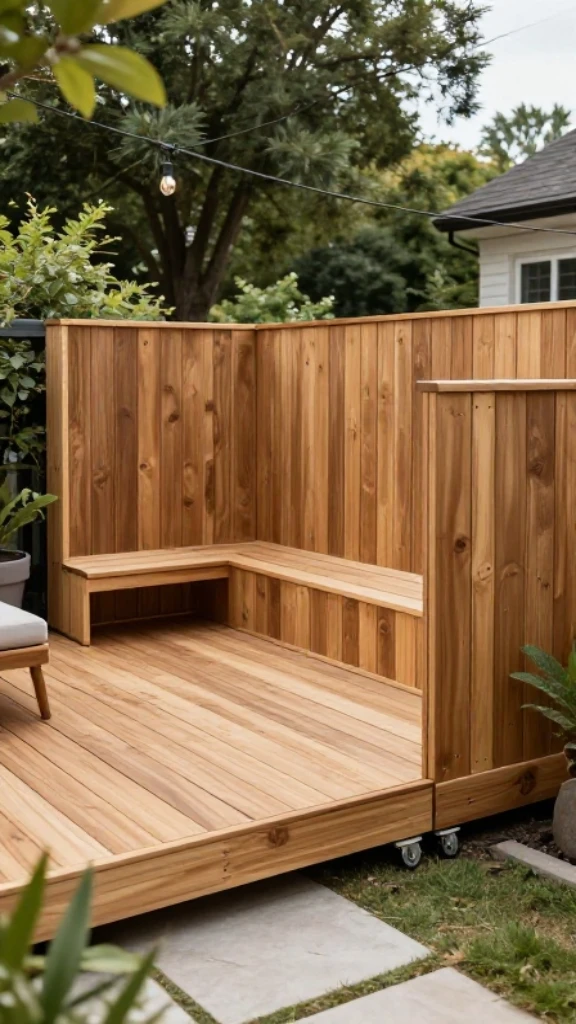
For optimum flexibility in compact locations, design your deck in modular portions that may be adjusted or temporarily removed. Create frames on casters or design interlocking panels that can be constructed in different ways.
This creative technique enables you to adjust your outside area for different occasions—open everything for parties, create pathways for garden access, or maximize deck space when you need it. Store unwanted portions against a wall or stack them neatly.
While this takes careful design and robust construction, the versatility is unsurpassed. You essentially have many deck configurations in one little space. This trendy approach works wonderfully for renters or anyone who appreciates regularly updating their outside layout. It’s creative problem-solving at its best.
17. Two-Tone Color Block Design
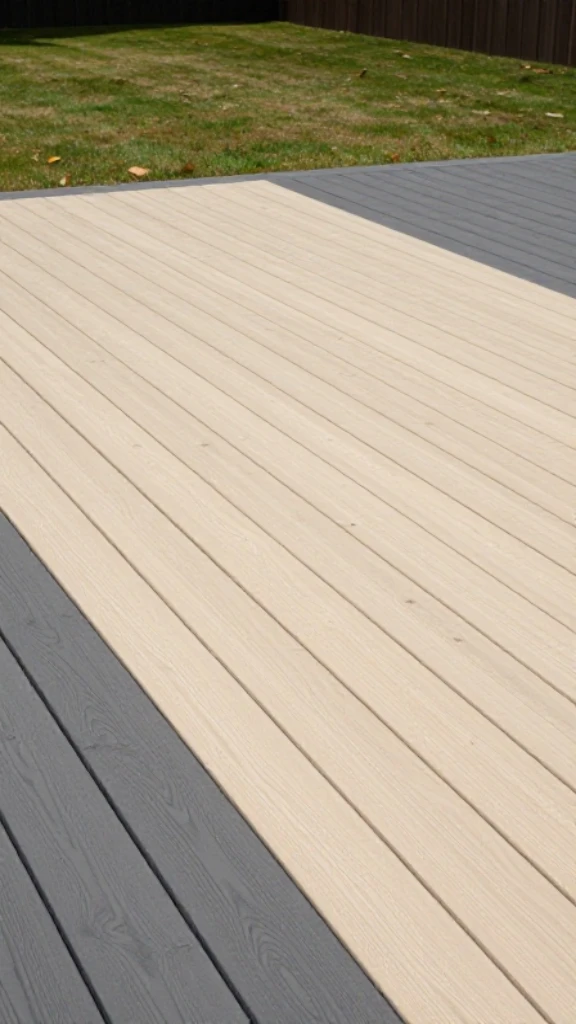
Use two different deck stain colors or materials to create distinct zones through color blocking. Perhaps a darker outer border frames a lighter inner area, or diagonal parts rotate between tints. This design style adds complexity and sophistication while making the area feel more curated.
The color variety organically designates various functional regions without physical boundaries. Choose complementary shades rather than high contrast for elegant results. This strategy works especially effectively with composite decking that comes in numerous color variations.
The visual interest provided by color blocking makes viewers spend more time looking at the design, which paradoxically makes the area feel larger. It’s an easy enhancement that radically affects the deck’s flavor.
18. Pocket Garden Inserts
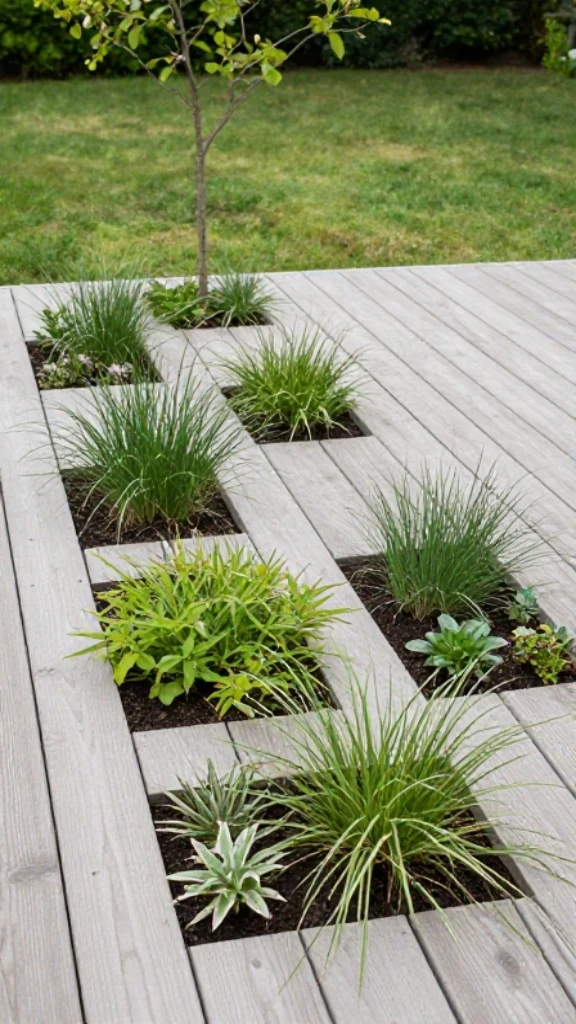
Instead of a solid deck surface, leave strategic openings where plants can grow directly through the deck. These small gardens offer life and tenderness while minimizing construction costs. Plan openings around existing trees or construct new planting sites for attractive grasses, small shrubs, or perennials.
The vegetation popping through boards produces an organic, blended effect that’s especially appealing in small yards. Size pockets to accommodate mature plant growth—you don’t want roots destroying your deck structure.
This design embraces the interplay of hardscape and landscape rather than seeing them as conflicting aspects. The natural details make even the smallest deck feel connected to nature, producing a more peaceful ambiance.
19. Zen-Inspired Minimalist Platform
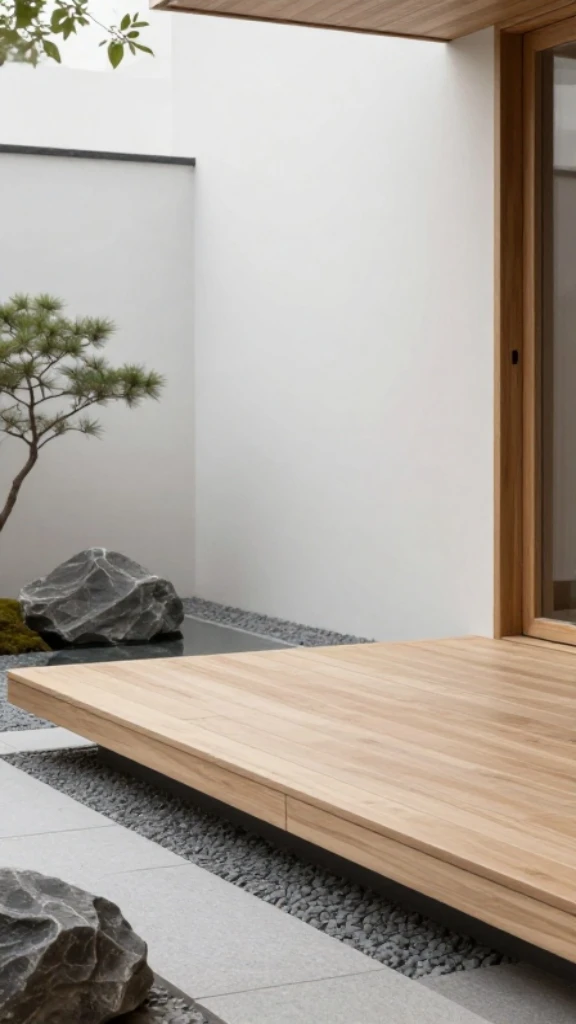
Embrace simplicity with a low, clean-lined deck influenced by Japanese design principles. Keep the platform basic with no railings if building rules allow, using only high-quality materials in natural tones.
Add a few carefully chosen elements—perhaps one gorgeous rock, a small water feature, or a sculptural plant. This modest approach makes small areas appear quiet and large. Choose elegant, low-profile furniture in natural materials.
The zen aesthetic illustrates that you don’t need to fill every inch to achieve impact. In fact, the breathing room becomes the design statement itself. This style works great for meditation rooms or yards where you want to create a tranquil getaway from daily life.
20. Rope Light Border Illusion
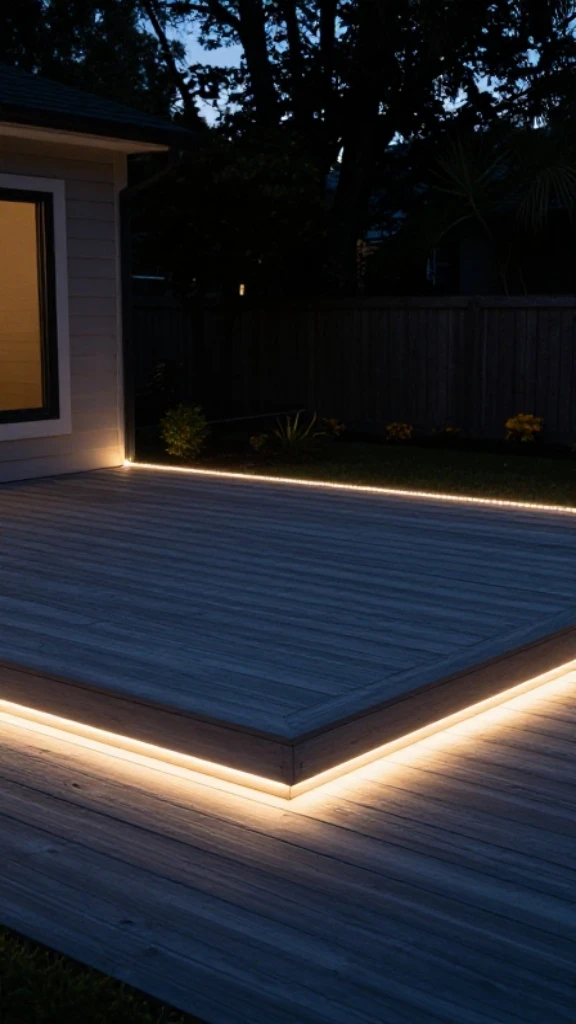
Install rope lights or LED strips around your deck’s perimeter, slightly sunken or buried beneath the border. This gentle lighting provides a floating appearance after dark that makes the deck appear to hover above the ground.
The glow widens the perceived boundaries of your room, thus extending visual square footage with lighting alone. Choose warm white for a pleasant ambiance or color-changing LEDs for versatility. The lights also promote safety by identifying deck edges clearly.
This cheap improvement changes your little deck from basic to stunning, especially for evening entertainment. I adore how something so simple has such big outcomes. During daylight, the clean lines remain, but twilight exposes the deck’s stunning second personality.
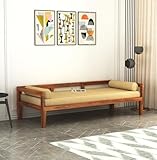
- Dimensions: Length (74 Inches), Width (32 Inches), Height (20 Inches). Sofa Size: 3 Seat,Inner Size:72″X30″,Seating Height:17″,Mattress Is The Part Of The Package.
- Material: Sheesham Wood, Color: Natural Finish; Seating Capacity: 3 Seater
- The Product Requires Basic Self Assembly At Customers End And Comes With Self Assembly Instructions Along With Necessary Accessories.
- Warranty: Lifetime Warranty For Wood Termites Resistance
- Care Instructions: Wipe Clean With Dry Cloth; Special Features: Recliner; Seating Capacity: 3.0; Item Shape: Rectangular; Style Name: Contemporary; Item Weight: 30.0
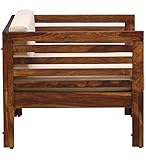
- PRODUCT DIMENSIONS: Length-24inch, Width-26inch, Height-23inch
- Primary Material: Sheesham Wood, Color:Natural Finish, Style: Contemporary
- CAPACITY:ONE PERSON,SEATING MATERIAL:HIGH DENSITY FOAM FOR COMFORT SEATING
- Made In solid wood sheesham which is highly chemically tested wood. Which express the wood grains and keeps reliability and Durability of Products for life time.
- SS Wood Is a Well Known Brand In Furniture category In Amazon We Are Working Since 2006 At Rajasthan. And We Deal In All Type Of Furniture Like Bed, Dining Tables, Chairs, Bed Side table, Coffee table, Dressing table, Wooden temple, Wooden Trunk, Garden Outdoor Furniture, Indoor Furniture, Bedroom Furniture, Wardrobe Furniture, Book Shelves, Living Room Furniture, Kitchen Furniture, Wooden Stools, Console Tables, Side Board Cabinets, Bar Cabinet, Wooden Tv Units And Wall Shelves etc.

- Product Dimension Length-72inch x Width-30inch x Height-20inch
- Seating height 18 Inch. Pillows will be come in mattress color or design only.
- Primary material: Sheesham Wood, Color Finish: Natural, Style : Modern ,Capacity : Three Persons seating
- SUITABLE FOR:HOME AND LIVING ROOM,BEDROOM,HALLWAY FURNITURE
- Highly chemically tested wood. Which express the wood grains and keeps reliability and Durability of Products for life time.
FAQs
What’s the optimum deck size for a tiny yard?
For truly small yards, strive for 8×10 to 10×12 feet. This provides adequate space for a table and chairs or multiple couch seats without overpowering the area. Prioritize function over size—sometimes smaller is actually better.
Do I need a permit for a modest backyard deck?
Most areas require permits for decks over a specific height or size, often 30 inches high or 200 square feet. Check your local construction codes first. Even tiny decks may need clearance based on location and property borders.
What’s the most budget-friendly small deck material?
Pressure-treated pine remains the most economical alternative, though it requires frequent upkeep. Composite decking costs more initially but saves money long-term with zero staining or sealing needed. Consider your time versus financial priorities.
How can I make my small deck look bigger?
Use diagonal board designs, keep furniture basic and multi-functional, add mirrors or reflected surfaces, and incorporate vertical gardens. Light colors and good lighting also extend apparent space greatly without changing actual size.
Should I skip railings on a tiny deck?
If municipal rules allow (usually for decks under 30 inches high), bypassing railings offers an open, airy sense. However, safety comes first—never compromise on rails if they’re required or if you have children or pets.
Conclusion
Your small yard absolutely deserves a beautiful, useful deck—and now you’ve got lots of ideas to make it happen. Don’t let limited square footage prevent you from designing an outdoor environment you’ll actually utilize and adore.
Start by choosing which design resonates with your lifestyle and budget, then alter it to meet your exact area. Remember, the ideal little deck isn’t necessarily the biggest one; it’s the one wisely constructed for how you actually live.
Take measurements, sketch some ideas, and don’t be scared to blend pieces from different designs. Your perfect small deck is waiting to be made, and honestly?
The warmth of a well-designed little outdoor space frequently surpasses huge decks that feel empty and impersonal. Get started improving your yard today!