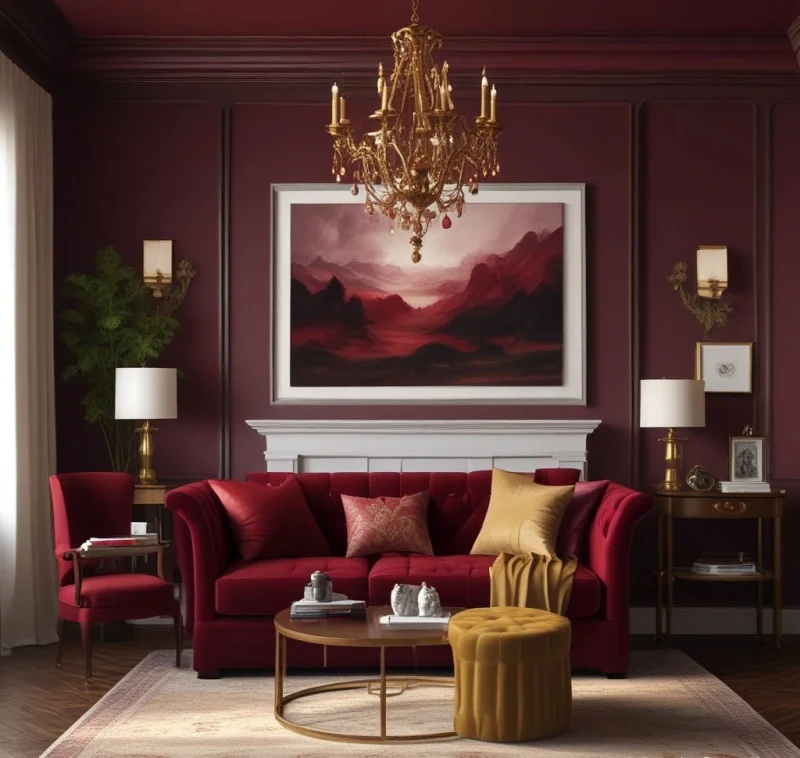
Your bedroom should be more than just a place to sleep—it’s your personal sanctuary where both of you unwind after long days. I’ve always believed that a couple’s bedroom needs to balance two personalities while creating one harmonious space.
Whether you’re newlyweds setting up your first home together or long-time partners ready for a refresh, the right design choices can strengthen your connection and improve your quality of life.
Small changes like updated lighting or a fresh color scheme can completely transform how you both feel in your space.
Let’s explore some practical, beautiful ideas that’ll make your bedroom a place you’re both excited to retreat to every evening.
1. Create a Cozy Reading Nook Together
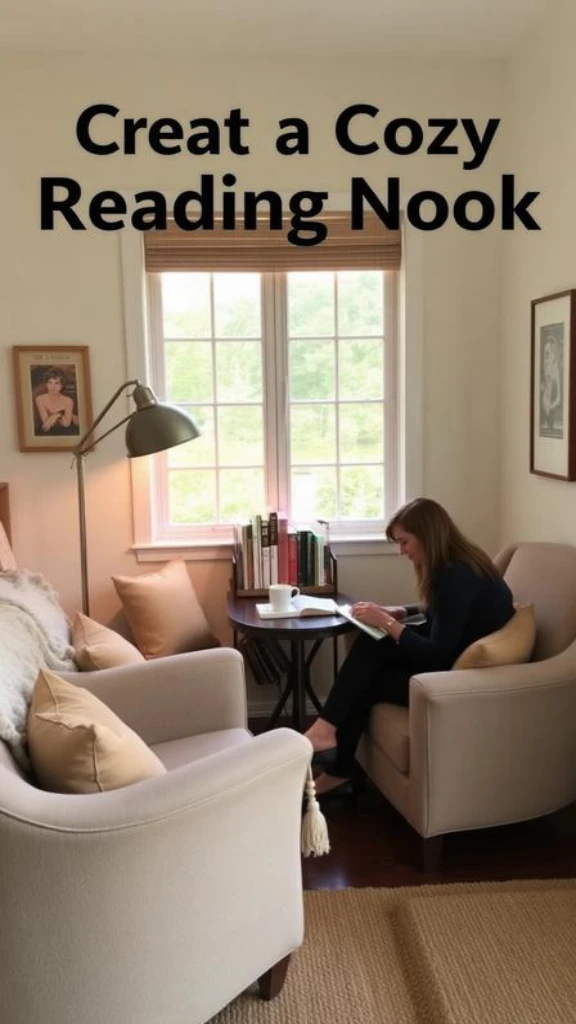
Every couple needs a quiet corner where you can read side by side without distractions. Set up two comfortable chairs or a small loveseat near a window with good natural light during the day. Add a shared side table between your seats for coffee mugs and books.
Install a floor lamp with adjustable brightness so late-night reading doesn’t disturb your partner. I’ve found that having individual reading lights makes a huge difference in maintaining bedtime flexibility.
Include a small bookshelf within arm’s reach stocked with your current reads and favorites. Soft throw blankets and a few cushions make the space even more inviting. This dedicated spot encourages quality time together while respecting each other’s need for personal space.
2. Install Dimmable Lighting Options
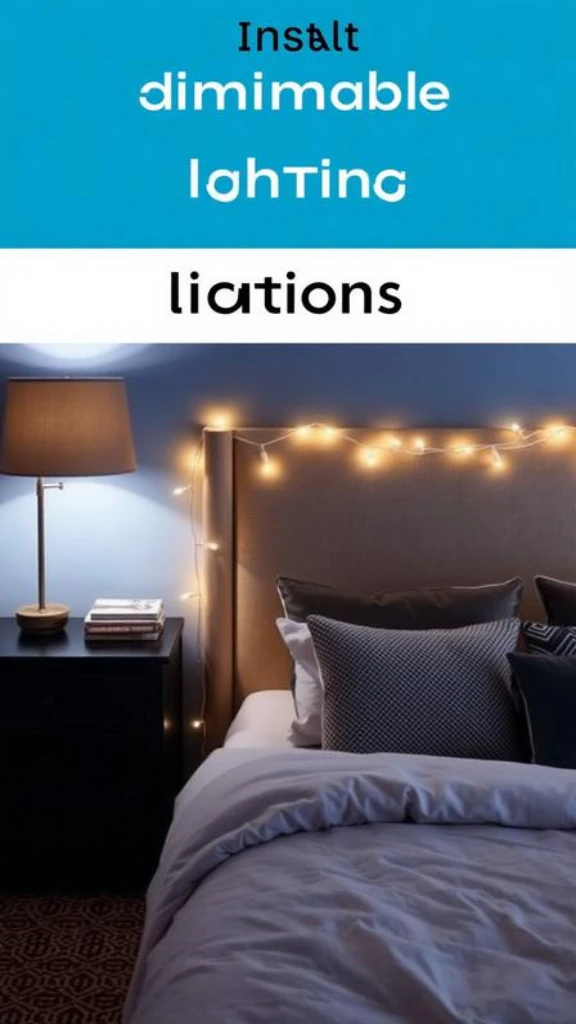
Lighting can make or break the mood in any bedroom, especially when two people have different preferences. Replace standard switches with dimmer controls so you can adjust brightness throughout the evening.
Consider layered lighting with overhead fixtures, bedside lamps, and accent lights for maximum flexibility. String lights or LED strips behind the headboard create a soft, romantic glow perfect for winding down.
Smart bulbs let you control everything from your phone and set schedules for automatic dimming. I love using warm-toned bulbs in the bedroom because they’re so much easier on the eyes than harsh white light.
Candlelight is another beautiful option for special occasions or relaxing baths. Good lighting helps both partners feel comfortable, whether they’re reading, talking, or sleeping.
3. Choose Neutral Colors with Personal Touches
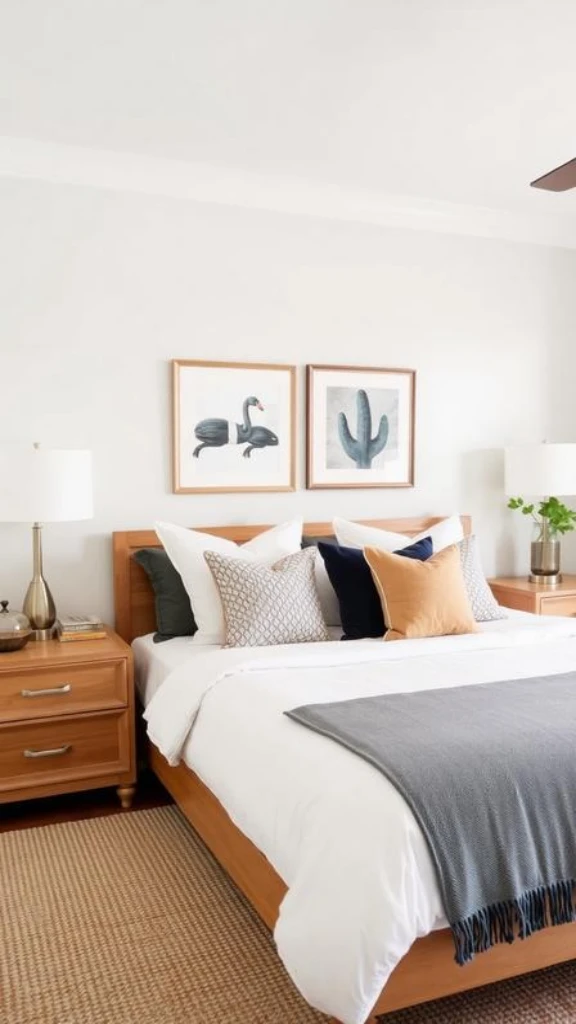
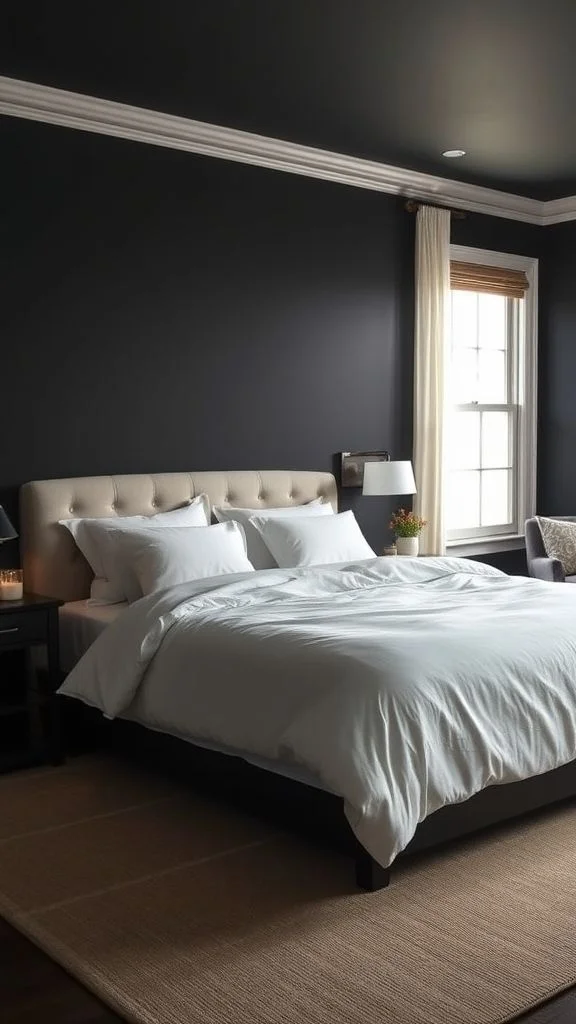
Neutral walls give you a blank canvas that works for both masculine and feminine tastes. Shades like soft gray, warm beige, or creamy white create a calming backdrop that never feels overwhelming.
You can then layer in personality through bedding, artwork, and decorative accessories that reflect both your styles. Maybe one of you loves bold patterns while the other prefers solid colors—compromise by using patterned throw pillows on neutral sheets.
Accent walls in deeper tones like navy or forest green add depth without dominating the space. Natural wood furniture pieces bring warmth and texture that complements any color scheme beautifully.
The key is creating balance so neither partner feels like their taste was completely sacrificed. Remember, your bedroom should feel like it belongs to both of you equally.
4. Invest in Quality Bedding

Your bed is where you spend a third of your life, so quality bedding isn’t a luxury—it’s essential. High thread-count sheets feel softer against your skin and regulate temperature better than cheaper alternatives.
Choose breathable materials like cotton or linen that work year-round rather than synthetic fabrics that trap heat. Layer your bed with a comfortable duvet, a lightweight blanket for summer nights, and plenty of pillows in varying firmness levels.
Memory foam pillows support different sleeping positions, which matters when you and your partner sleep differently. I’ve noticed that investing in good bedding actually improved my sleep quality and reduced those middle-of-the-night cover battles.
Wash your sheets weekly in hot water to keep everything fresh and allergen-free. Quality bedding is one investment that pays dividends in comfort every single night.
5. Add Plants for Better Air Quality
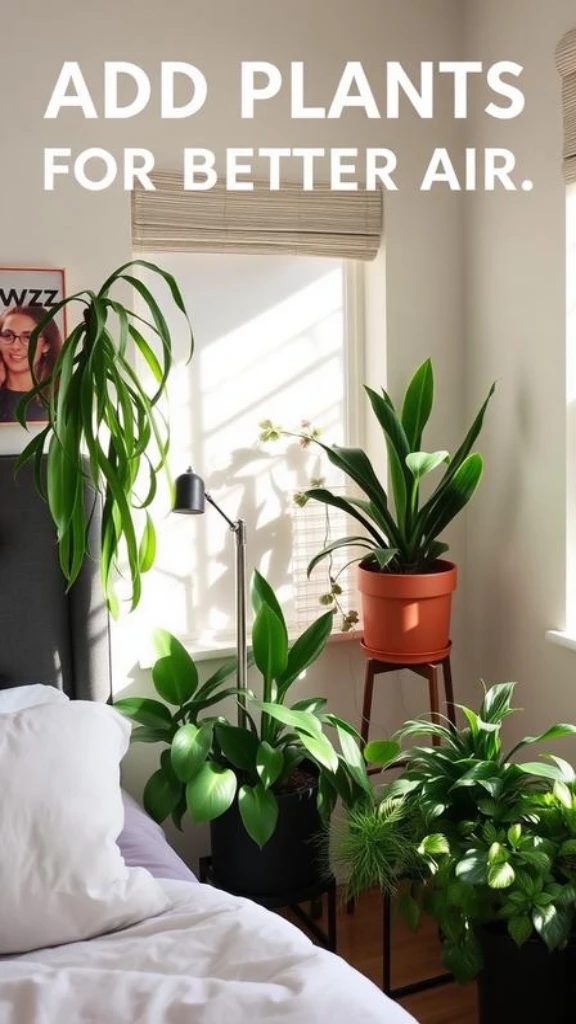
Indoor plants aren’t just decorative—they actually purify the air while adding life to your bedroom. Snake plants and pothos are perfect for beginners because they’re nearly impossible to kill and thrive in low light.
Place larger plants in corners to fill empty spaces and create a more finished look throughout the room. Smaller succulents work beautifully on nightstands or windowsills without taking up too much surface area.
Plants release oxygen at night, which can actually improve your sleep quality over time. I started with just two plants in my bedroom and now have seven because caring for them together became a fun routine.
Make sure to choose non-toxic varieties if you have pets who might nibble on leaves. Greenery brings nature indoors and creates a peaceful, refreshing atmosphere you’ll both appreciate.
6. Designate His and Her Closet Zones
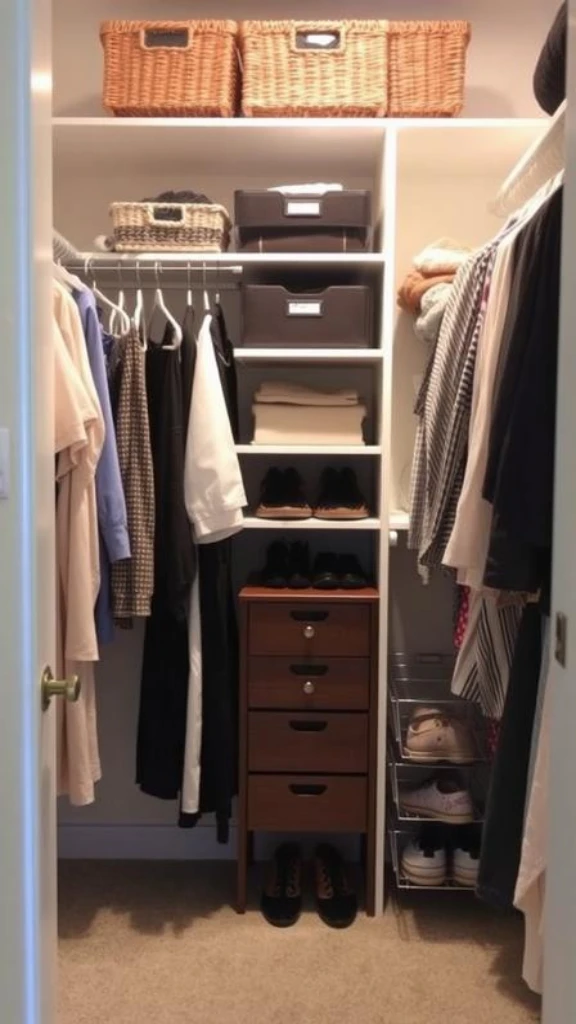
Sharing closet space can be challenging, but proper organization prevents daily frustration. Divide your closet down the middle with clearly defined sections for each person’s clothing and accessories.
Install double hanging rods to maximize vertical space and fit more items in the same footprint. Use matching hangers throughout—it sounds small, but it makes everything look more cohesive and organized.
Add bins or baskets on upper shelves for seasonal items you’re not currently wearing. Shoe racks keep footwear tidy and visible so you’re not digging through piles every morning. Over-the-door organizers work great for accessories, ties, scarves, and other small items that tend to get lost.
Don’t forget good lighting inside the closet so you can actually see what you’re choosing. Respect each other’s space and stick to your designated areas to maintain harmony.
7. Create a Tech-Free Charging Station
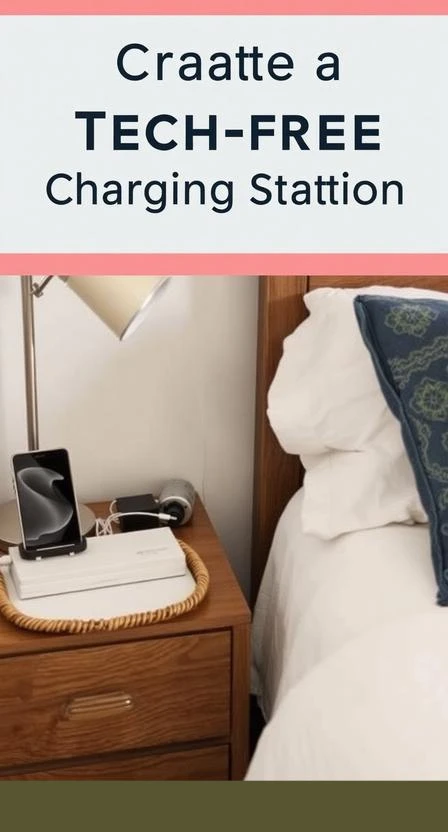
Phones, tablets, and laptops don’t belong on your nightstand if you want quality sleep and connection. Set up a charging station outside your bedroom or in a far corner away from the bed.
This simple boundary helps both partners disconnect from screens and be more present with each other. Use a decorative basket or small cabinet to hide all the cords and devices out of sight. Alarm clocks still exist—consider getting a traditional one instead of relying on your phone.
I struggled with this change initially, but now I sleep better and wake up less groggy without blue light before bed. If you absolutely need devices nearby, use “do not disturb” mode and keep screens face-down. Creating this tech-free zone encourages better communication and intimacy between partners.
8. Hang Meaningful Artwork Together
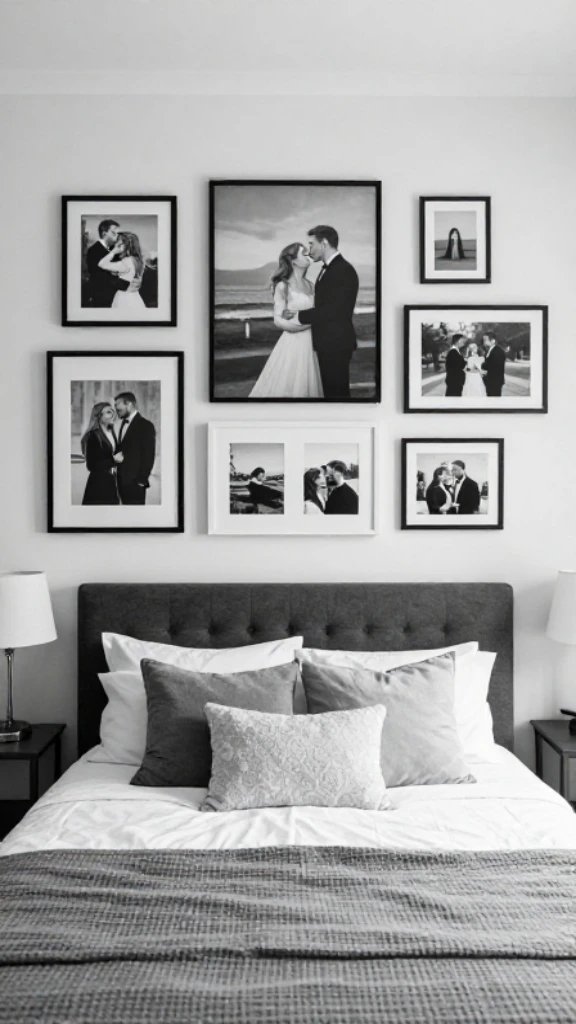
Bare walls feel cold and unfinished, but choosing art as a couple makes the space truly yours. Visit galleries, browse online shops, or even create your own pieces to display above the bed or on empty walls. Consider a gallery wall mixing photographs from your relationship with abstract prints or paintings you both enjoy.
Frame your wedding photos, vacation memories, or candid moments that make you smile every time you see them. Large statement pieces work well above the headboard as a focal point that draws the eye.
I personally love black and white photography for bedrooms because it feels timeless and sophisticated. Avoid anything too stimulating or chaotic—bedrooms should promote calm, not visual overwhelm. Let your art choices tell the story of your relationship and shared experiences.
9. Install Blackout Curtains or Blinds
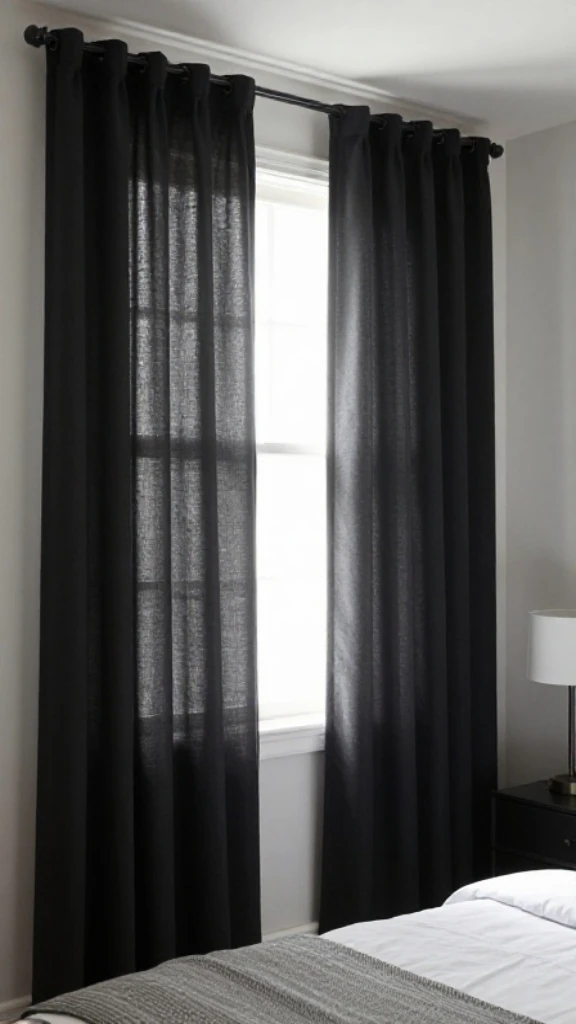
Complete darkness significantly improves sleep quality for most people, especially light-sensitive sleepers. Blackout curtains block streetlights, early sunrise, and any other light pollution that might disturb your rest. Choose curtains in colors that complement your existing decor rather than treating them as purely functional.
Layer sheer curtains underneath for daytime privacy while still allowing natural light to filter through. Proper installation matters—extend curtain rods beyond the window frame and hang panels high to create the illusion of taller ceilings. Thermal blackout curtains also provide insulation, keeping your bedroom cooler in summer and warmer in winter.
Some couples prefer that one partner needs total darkness while the other doesn’t, so consider individual solutions like sleep masks. Quality sleep affects everything from mood to health, making blackout curtains a worthwhile investment.
10. Add a Bench at the Foot of Your Bed
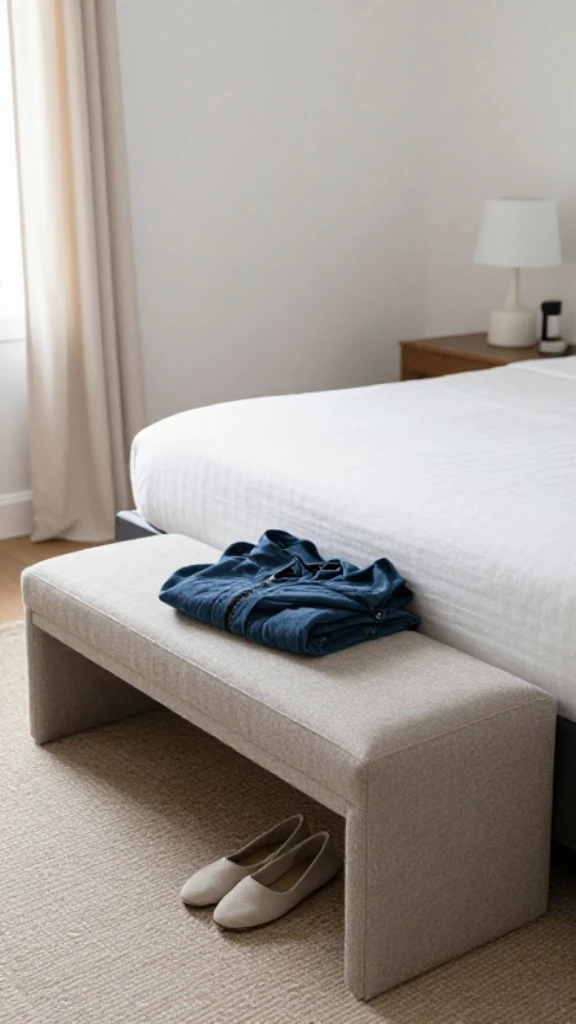
That awkward space at the end of your bed is perfect for a storage bench or upholstered ottoman. Use it for seating while putting on shoes, or as a spot to lay out tomorrow’s outfit without cluttering chairs. Storage benches hide extra blankets, off-season bedding, or anything else you need accessible but out of sight.
An upholstered bench in a complementary fabric adds texture and softness to balance harder furniture pieces. This extra surface prevents clothes from ending up draped over chairs or piled on the floor.
I find that having this designated spot helps keep the bedroom tidier overall because everything has a proper place. Choose a bench height that aligns visually with your mattress height for the most balanced appearance. It’s one of those additions that seems small but makes a surprisingly big difference daily.
11. Incorporate Soft Textures Throughout
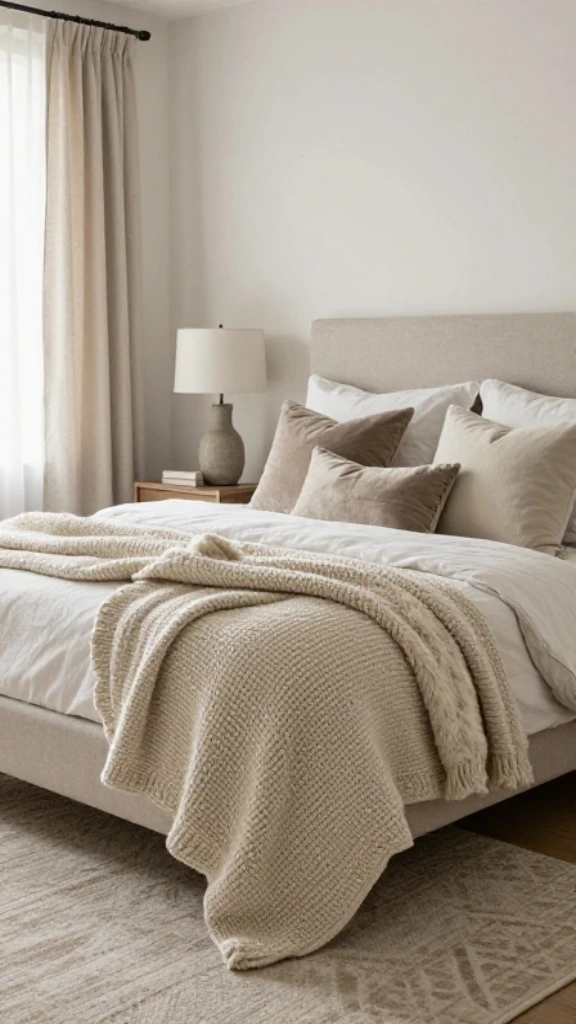
Bedrooms should engage your sense of touch with various soft, comfortable textures layered throughout the space. Mix materials like velvet throw pillows, faux fur blankets, linen curtains, and cotton sheets for visual and tactile interest.
Area rugs beside the bed prevent cold feet on winter mornings and add warmth to hardwood or tile floors. Upholstered headboards feel more luxurious than wood or metal when you’re sitting up reading or watching television.
Texture creates depth and dimension that keeps a neutral color scheme from feeling flat or boring. I’m always drawn to chunky knit blankets because they look cozy and feel amazing draped across the foot of the bed.
Don’t forget smaller touches like soft lampshades or fabric-covered storage boxes. When everything in your bedroom feels good to touch, the whole space becomes more inviting and comfortable.
12. Design a Shared Vanity or Getting-Ready Area
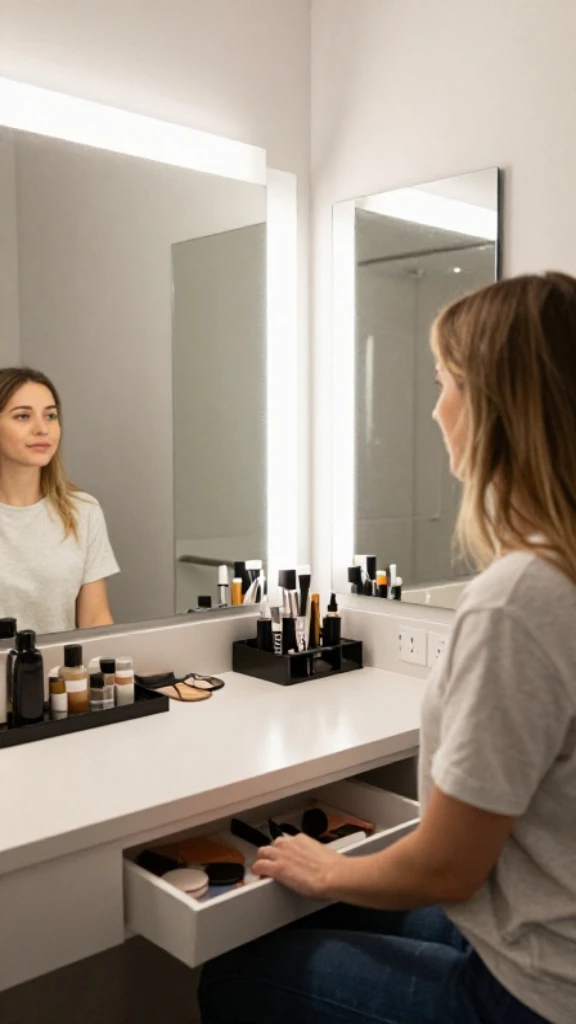
Morning routines flow more smoothly when you both have a designated space for getting ready without competing for the bathroom mirror. Set up a vanity with good lighting and enough counter space for both people’s essentials.
Individual organizers or trays keep makeup, skincare, and grooming products separated and easy to find. A large mirror or side-by-side mirrors let you both get ready simultaneously without feeling cramped.
Consider installing outlets nearby for hair dryers, straighteners, and electric shavers. Drawer dividers maintain organization so items don’t become a jumbled mess over time.
This dedicated area speeds up your morning routine and reduces bathroom bottlenecks when you’re both rushing. Having your own space shows respect for each other’s needs while keeping shared areas functional.
13. Use Matching Nightstands and Lamps
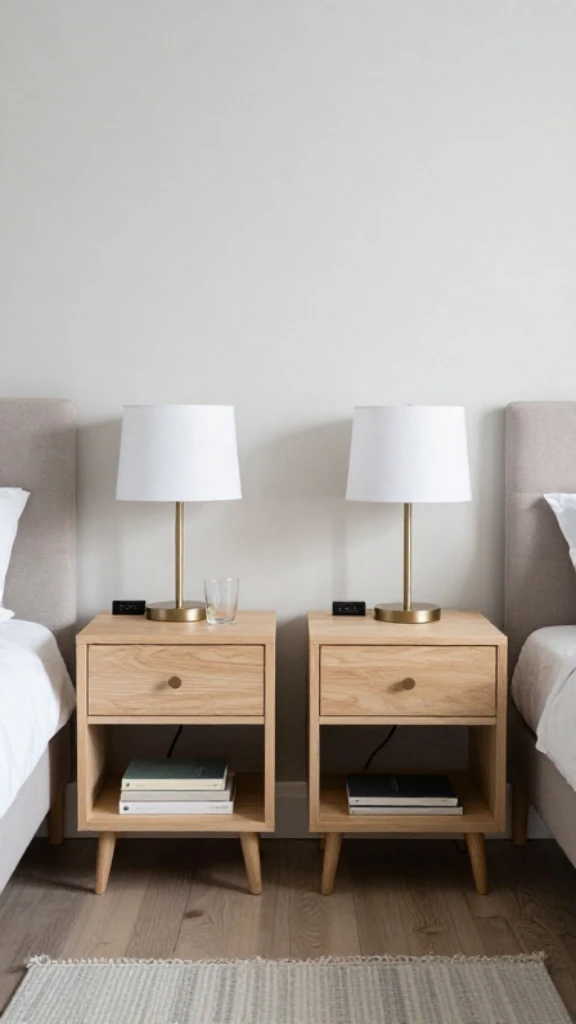
Symmetry creates a sense of balance and harmony that’s particularly appealing in couples’ bedrooms. Matching nightstands on either side of the bed establishes visual equality and provides storage for both partners. Each person gets their own lamp, charging space, and drawer for personal items like books or sleep aids.
You don’t need identical pieces—just similar scale, height, and style that coordinate with your overall design. Ensure nightstands are tall enough that you’re not reaching down to the floor for your water glass or phone.
Built-in USB ports or outlets in nightstands eliminate cord clutter and make charging devices more convenient. I prefer nightstands with at least one drawer and one open shelf for maximum versatility. This simple symmetry makes the room feel more put-together and intentionally designed.
14. Create a Soundproof Environment
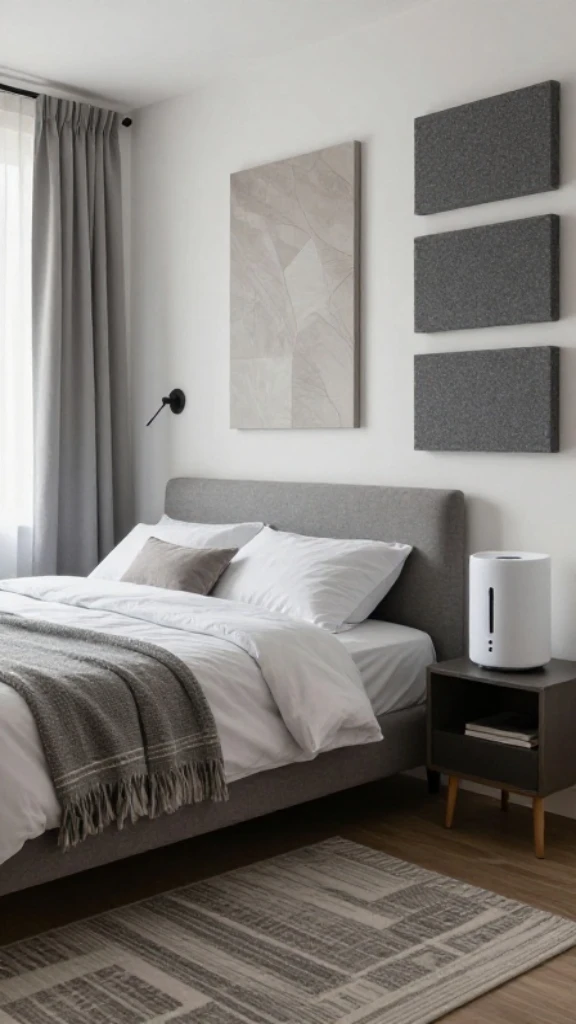
Outside noise from traffic, neighbors, or other rooms can seriously disrupt sleep quality for one or both partners. Heavy curtains, upholstered furniture, and area rugs all help absorb sound and reduce echo in your bedroom. Weather stripping around doors prevents noise from traveling through gaps and also improves energy efficiency.
White noise machines mask disruptive sounds with consistent, soothing background noise that many people find sleep-inducing. Sound-dampening panels disguised as decorative wall art are available if noise is a serious ongoing problem.
Consider the placement of your bed—avoid walls shared with noisy areas like living rooms or bathrooms if possible. If one partner snores, a separate white noise machine on the other side can help tremendously. Creating a quiet sanctuary protects both partners’ sleep and overall well-being.
15. Incorporate Personal Collections Thoughtfully
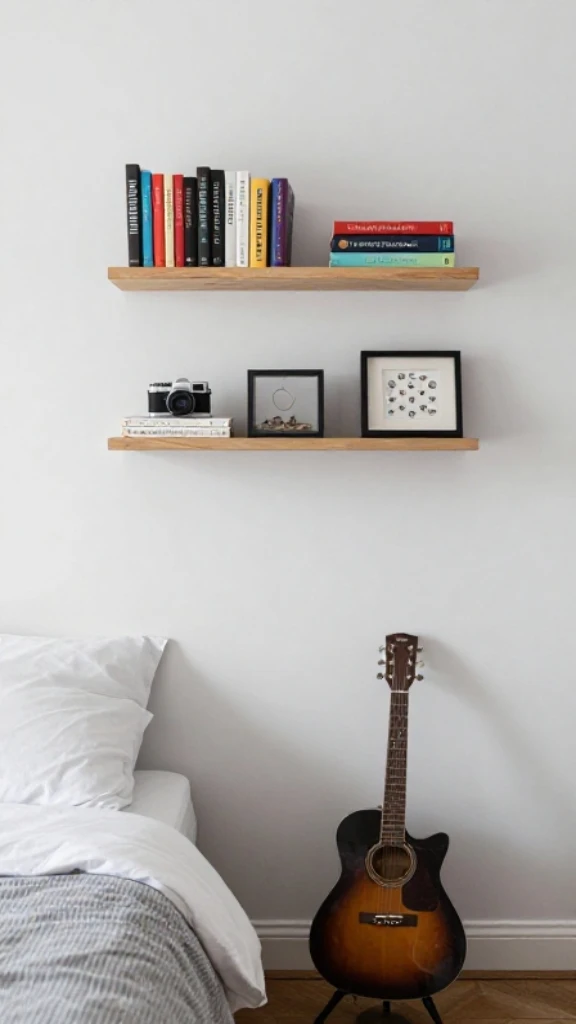
Everyone has hobbies or collections that matter to them, and your bedroom can reflect these interests without becoming cluttered. Display items in curated groupings rather than scattered randomly around the room.
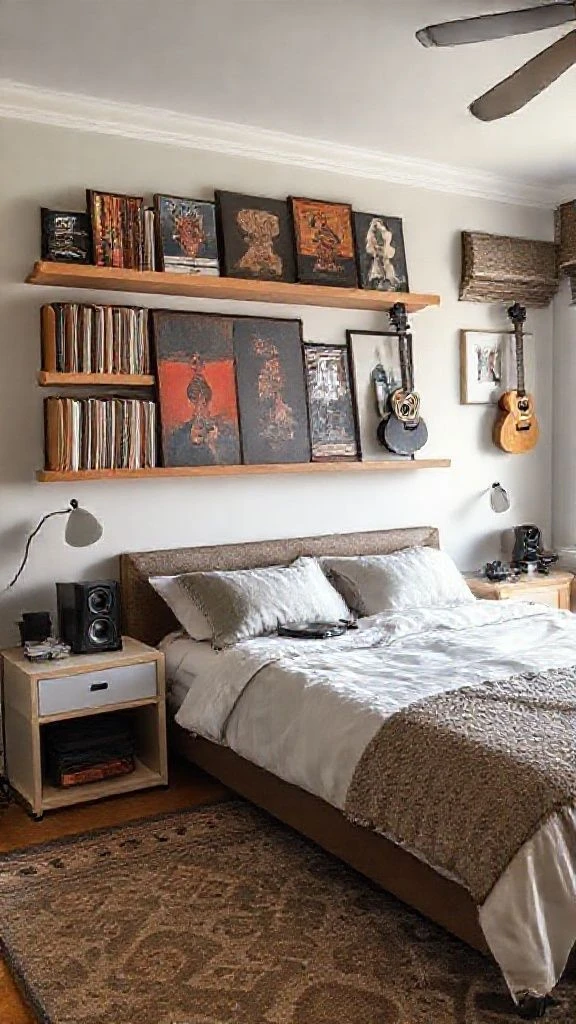
Floating shelves showcase books, travel souvenirs, or small decorative objects while keeping surfaces clear. Shadow boxes protect and display delicate items like jewelry, vintage cameras, or concert tickets from meaningful experiences.
Limit collections to one or two focal areas so the bedroom doesn’t feel like a storage unit. I have a small shelf dedicated to books that have shaped my thinking, which sparks interesting conversations with my partner.
Rotate displayed items seasonally to keep the space feeling fresh without acquiring more stuff. The goal is to celebrate what makes you both unique while maintaining a cohesive, restful environment.
16. Install a Ceiling Fan for Comfort
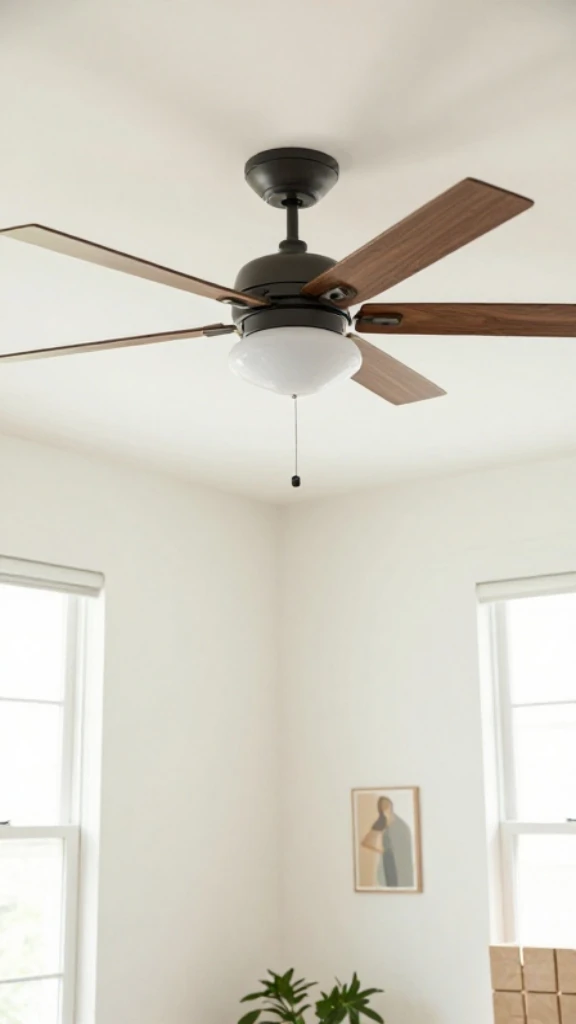
Temperature disagreements are common among couples—one’s always too hot while the other’s freezing. Ceiling fans provide customizable air circulation without the noise of standing fans or the expense of constant air conditioning.
Choose a fan with a light fixture for dual functionality, especially in rooms with limited ceiling lighting. Remote controls let you adjust settings without getting out of bed on cold winter mornings or hot summer nights.
Reversible fan direction means you can push warm air down in winter and pull cool air up in summer. Modern ceiling fans come in countless styles from industrial to traditional, so you’ll find something matching your aesthetic.
I find that having individual blankets plus a ceiling fan solves most temperature disputes. Proper air circulation improves sleep quality and prevents that stuffy feeling that develops in closed bedrooms.
17. Add a Statement Headboard
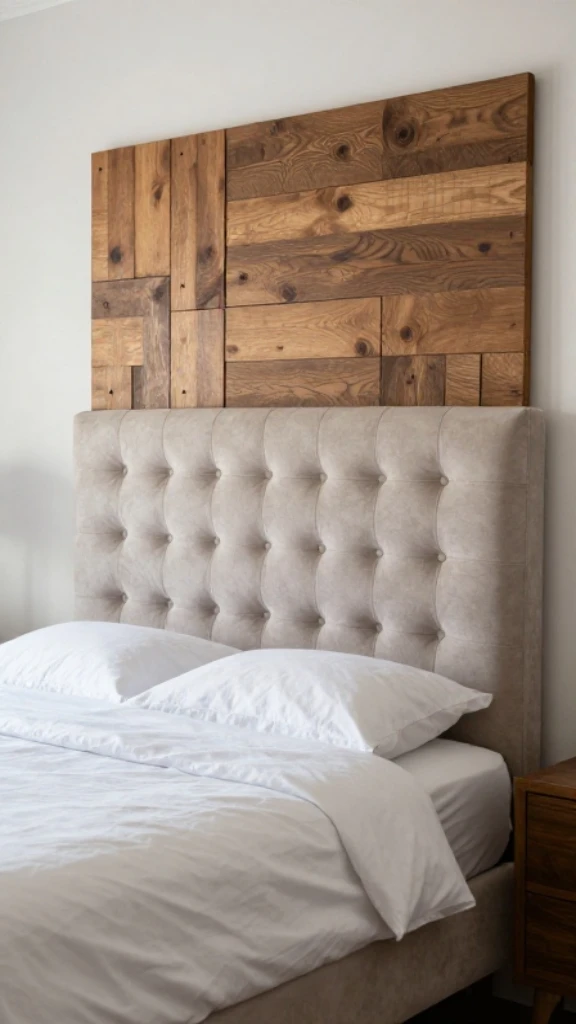
Your headboard is often the first thing you notice when entering a bedroom, making it worth investing in something special. Upholstered headboards in luxurious fabrics like velvet or linen create an instant focal point and add softness.
Wooden headboards with intricate carvings or interesting grain patterns bring natural warmth and texture to the space. Consider tall headboards that draw the eye upward and make ceilings appear higher than they actually are.
DIY headboards using reclaimed wood, fabric panels, or even large artwork offer budget-friendly customization. The headboard should coordinate with your overall style while making a statement that reflects your personality.
I’ve always loved the look of a tufted headboard because it feels both classic and comfortable. Whatever style you choose, make sure it’s proportional to your bed size and room dimensions.
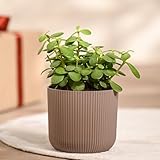
- Easy-Care Indoor Succulent: The Jade Plant is one of the most low-maintenance indoor plants—perfect for beginners and busy plant parents.
- Symbol of Good Luck & Prosperity: Known for its round, coin-like leaves, this plant is considered lucky and prosperous as per Feng Shui principles.
- Thick, Lush Foliage: Features branched stems with small, fleshy, oval-shaped leaves that add charm and greenery to any décor setting.
- Minimal Watering Needed: Requires watering only once a week or when the topsoil feels dry, making it an ideal plant for effortless care.
- Perfect for Home & Office: Comes in a stylish Mocca Ibiza Pot, ideal for desks, tabletops, living rooms, and gifting.

- Improves indoor air quality while adding natural freshness to homes and workspaces

- Sale Package-2 Pieces of Creeper/Vine pot of Artificial creeper with pot . The Creeper pot will Give astonishing improvements to the Ambience of the place.
- Usage – The artificial plant leaves are comprised of strong, odorless materials that are also environmentally beneficial. Thus makes a beautiful decoration for a home, office, living room,
- Well Sized – This artificial potted plant may be placed at Desk/shelves or may be placed at different spaces , measures : Approx. 45 Height , 17 cm width and keep a fresh look in all seasons.
- Material – To assure botanical correctness, this ornamental floral item is manufactured using the best plastic materials and cutting-edge production processes.
- Brand – FancyMart is trusted brand in artificial plants. It offers you a wide range of artificial plants and greenery to choose. This is going to add a dash of vibrancy and freshness to your place.

- Perfect decoration: Different kinds of artificial plants indoors, using a unique design. Place it anywhere, it blends into the scene and brings comfort, making you prefer to stay there.
- Safe material: the fake plant is made of Quality plastic, realistic looking, straight and lush, the pot is covered with a layer of green grass, full of the feeling of nature.
- No sunlight or water needed, artificial indoor plants do not wilt, change color and keep a fresh look in all seasons. It is the best choice for decoration for people who are busy and go out frequently.
- Wide applications: the set of 8 small flower pots can be used for indoor and outdoor decoration, office, window sill, bathroom, kitchen, dressing table, bookshelf, etc. Create a simple bright and clean style.
- Note: Fake plants have a little odor, just leave them in a ventilated environment for a period of time. Due to the packaging, the sheets will be squeezed, please comb the sheets to make them look more fluffy.

- One of the most popular indoor plant that is easy to care for making it a perfect plant for home decor.
- Bamboo plant according to Feng Shui is said to bring good luck and prosperity to your home
- Watering is simple for the Lucky bamboo plant. Water must be changed after every 3-4 days for better growth.
- Plant height without the pot is – 8 to 10 inch. And the plant spread is ranging between – 6 to 8.
- Live Plant with a glass bowl perfect for decoration office desks, living room and bedrooms.
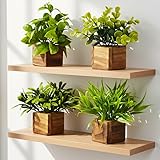
- What’s in the Box :- 4 piece of artificial potted plant leave with wood pot
- Well Sized – This artificial potted plant Combo may be placed together at once place or may be placed at different spaces , measures as follows: Approx. 14 cm Height , 6 cm width
- Artificial potted plants leaves with pot is a perfect choice. No watering or sunlight, making it an ideal decorative solution for those seeking a hassle-free plant experience.
- Ideal for home decor, office decor, flowers for vase, flower decoration, room decor, living room decor, artificial flowers, flowers for decoration, home decoration, kitchen decor, flowers for vase, flowers for home decor, balcony decoration, artificial flower, flowers artificial.
- Care Instructions: No special care needed. In case the product catches dust, wipe with a semi wet cloth, This is meant to be used in indoor environment

- Neem Oil is a water soluble 100% organic biological pest repellent.
- Pure and Organic- Perfect for home plants.
- For indoor/outdoor use on fruits, vegetables, nuts, herbs, spices, roses, houseplants, flowers, trees, lawns and shrubs.
- It is an herbal insecticide used in agricultural sprayers, farming and gardening.
- Acts on pest like, Stem borer, Pod/Fruit borer, Caterpillars, Moths, Thrips, Beetles, White flies, Grass Hoppers, Locusts, Aphids, Mites and scale, repels mosquitoes.

- Name of the plant : Good Luck Money Plant Variegated Live Plant | Special features : Air purification, Easy to care| Suitable for : Living room, bedroom, office, indoor garden, balcony and more.
- Size of the pot : Height-8.0 cm,Diameter-9.5 cm| Pot material : Plastic.
- Gro Pots with nutrient-rich potting mix that keep your plants hydrated and healthy for up to 6 months
- Carefully grown and packed live plants that arrive in excellent condition and quality
- Versatile and decorative plants that suit any location in your home or office, such as living room, bedroom, kitchen, window, bathroom, desk, semi-shade place, balcony, shop, garden, etc.

- Lipstick Plant (Aglaonema Red) – A vibrant and stylish aglaonema live plant, perfect for adding a splash of red to your indoor spaces. Great for breaking the monotony of green plant clusters.
- Low Maintenance, High Impact – This live indoor plant for home thrives in indirect to low light and needs watering only twice a week, making it ideal for busy plant lovers.
- Indoor Plant for Home Decor – Whether it’s your office desk, tabletop, or an empty corner, this plant brings charm and liveliness to every setting.
- Compact & Colorful – With a height of 10–12 inches and a spread of 10–15 inches, it fits perfectly on shelves, desks, or window sills, making it a go-to for stylish indoor plants for living room.
- Perfect for Home Gardens – A natural air-purifier and mood booster, this lipstick plant is a top pick for anyone curating their plants for home garden collection or upgrading their interior aesthetics.

- Perfect live indoor plants for home with easy-care self watering pots for daily convenience.
- Ideal Indoor Plants and Plants for home suitable for any décor style and space.
- Includes hardy live plants that fit living rooms, study areas, and plants for bedroom setups.
- Works beautifully as Plants for balcony garden, enhancing natural ambience.
- Best plants combo with pot for decorating shelves, tables, and live plants for home arrangements.
FAQs
What colors work best for a couple’s bedroom?
Neutral tones like gray, beige, and soft white create a calming base that appeals to most people. Add personality through colorful accents in bedding and decor.
How can we combine different design styles?
Choose one dominant style and incorporate elements from the other through accessories, artwork, or furniture pieces. Balance is key to making it work.
Should couples have separate bedding?
Two individual comforters or duvets can solve temperature disagreements while maintaining a cohesive look with coordinating colors or patterns underneath.
How do we maximize storage in a small bedroom?
Use vertical space with tall dressers and floating shelves. Under-bed storage containers and multi-functional furniture help keep things organized without taking up floor space.
What’s the ideal bedroom temperature for sleep?
Most sleep experts recommend between 60-67°F (15-19°C), but use separate blankets if you disagree. A programmable thermostat helps maintain consistency throughout the night.
Conclusion
Creating a bedroom that works for both partners takes communication, compromise, and creativity. These ideas prove you don’t have to sacrifice personal style to share a space harmoniously.
Start with one or two changes that address your biggest challenges, whether that’s storage, lighting, or temperature control. I’ve learned that small improvements accumulate over time into a space that truly feels like home for both people.
Remember, your bedroom should evolve with your relationship, so don’t be afraid to make changes as your needs shift. Take your time, enjoy the process together, and create a sanctuary that strengthens your connection every single day. Sweet dreams!