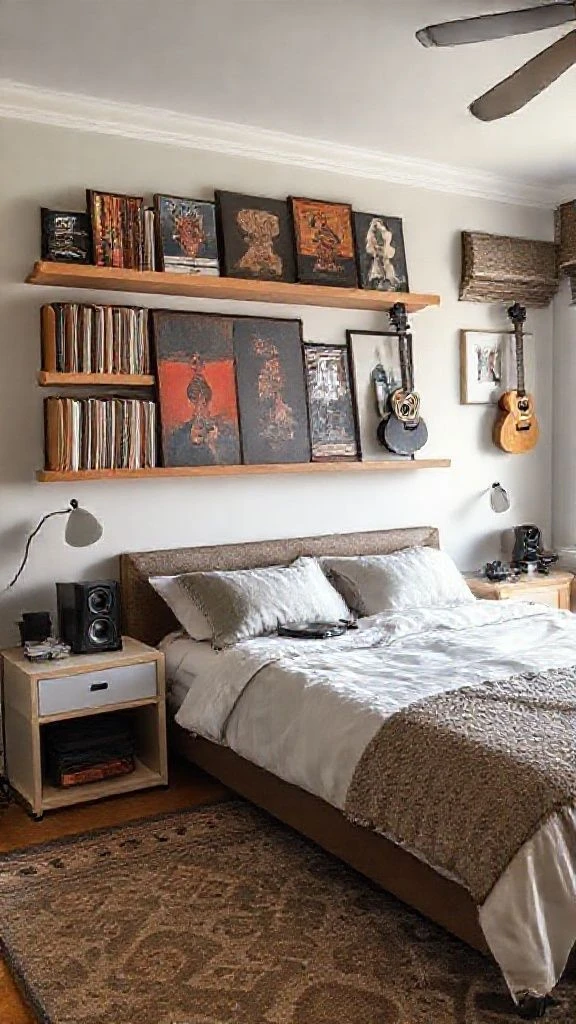
Finding bedroom ideas for small rooms cozy and inviting can feel tricky. You want comfort without clutter. You need style without sacrificing space.
I get it—my first apartment bedroom was basically a closet with a window. But here’s the thing: small doesn’t mean you have to give up warmth or personality.
With the right approach, your tiny bedroom can become the coziest corner of your home. It just takes some smart choices and a bit of creativity.
1. Choose a Bed That Works Double Duty

Your bed takes up most of the room, so make it count. Look for frames with built-in storage underneath. Drawers or lift-up compartments hide extra blankets, clothes, or shoes without adding bulk.
Platform beds with shelving work great too. They give you spots for books or small decor pieces. No need for a separate nightstand that eats up floor space.
If you’re really tight on room, consider a daybed. It functions as a sofa during the day and a bed at night. Perfect for studio setups or multi-use spaces.
2. Layer Soft Textures for Instant Warmth
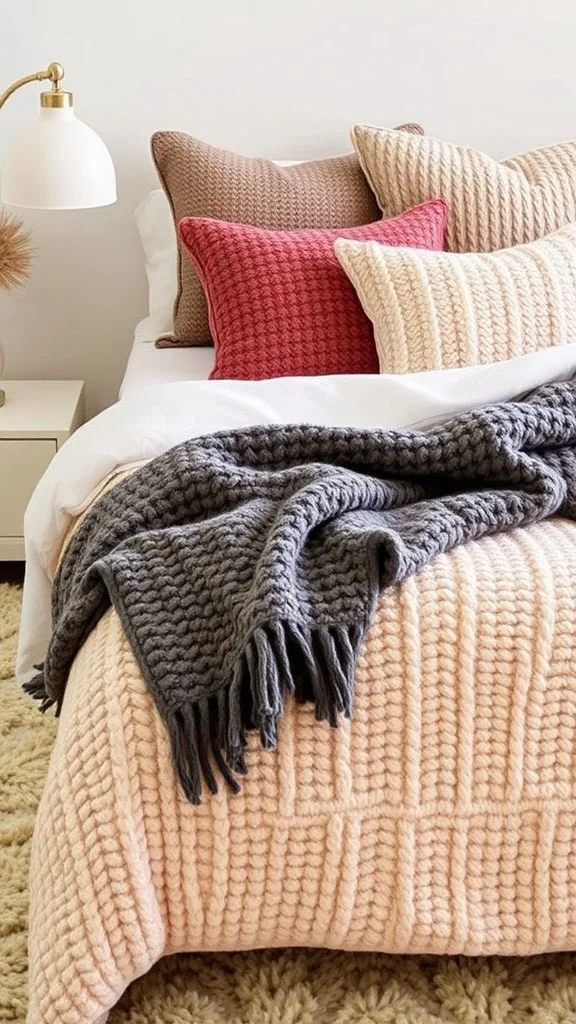
Cozy comes from how things feel, not just how they look. Pile on soft blankets, chunky knit throws, and plush pillows. Mix different textures to add depth without taking up space.
A fuzzy rug beside your bed makes mornings better. Even a small one creates a warm landing spot for your feet. Choose colors that match your overall vibe.
Don’t forget your bedding. Soft sheets and a comfortable duvet make all the difference. Layer a quilt or coverlet on top for extra visual interest.
3. Use Wall-Mounted Lighting
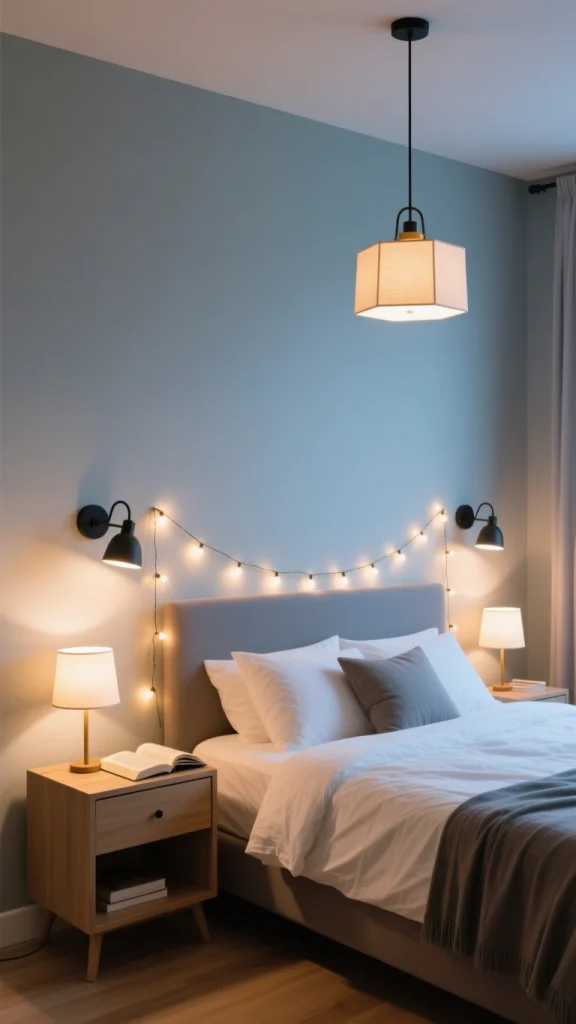
Floor lamps steal precious square footage. Swap them for wall sconces or hanging pendant lights. They provide the same glow while keeping your floor clear.
Install reading lights on either side of your bed. This frees up nightstand space completely. Plus, it looks clean and intentional.
String lights aren’t just for dorms anymore. Draped along a wall or headboard, they add soft, dreamy lighting. They’re affordable and easy to move around too.
4. Pick Light, Neutral Colors as Your Base
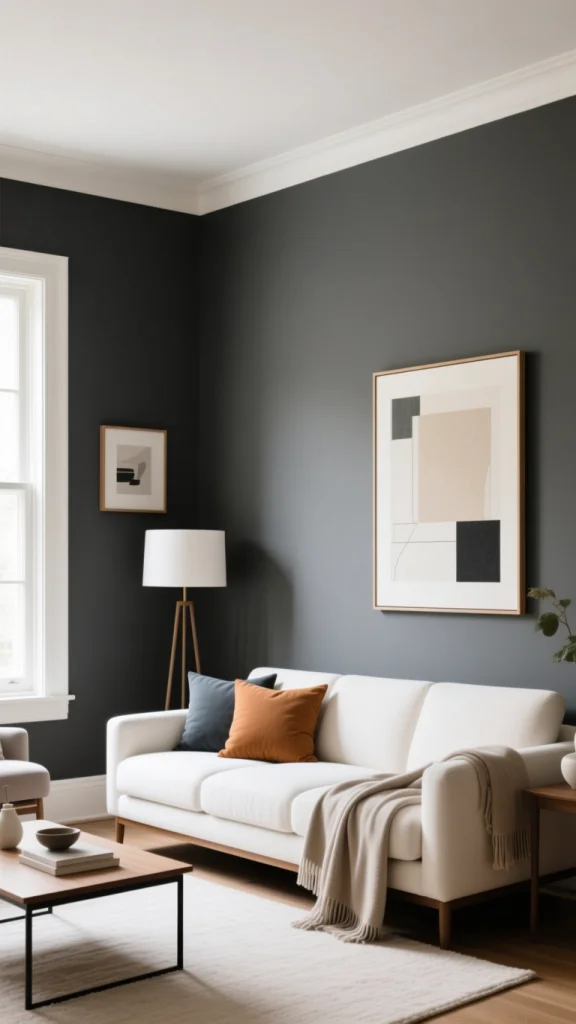
Light colors reflect more light and make rooms feel bigger. Start with whites, creams, or soft grays for walls and larger furniture pieces. This creates an airy foundation.
You can always add pops of color through pillows, art, or throws. These are easy to switch out when you want a change. Keeping the base neutral gives you flexibility.
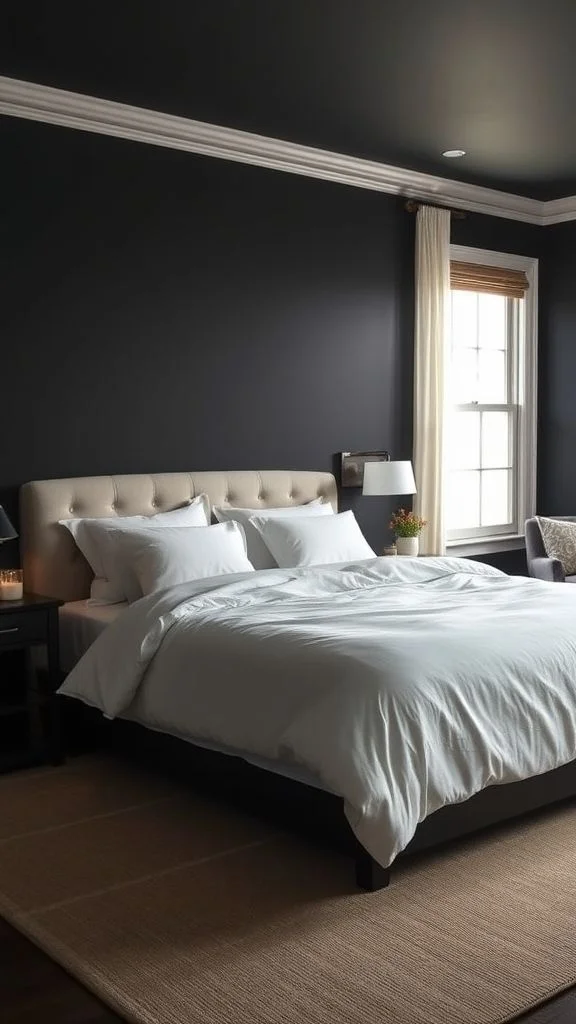
Avoid dark walls in very small spaces. They can make the room feel closed in. Save darker shades for accent pieces or smaller areas.
5. Add Mirrors to Bounce Light Around
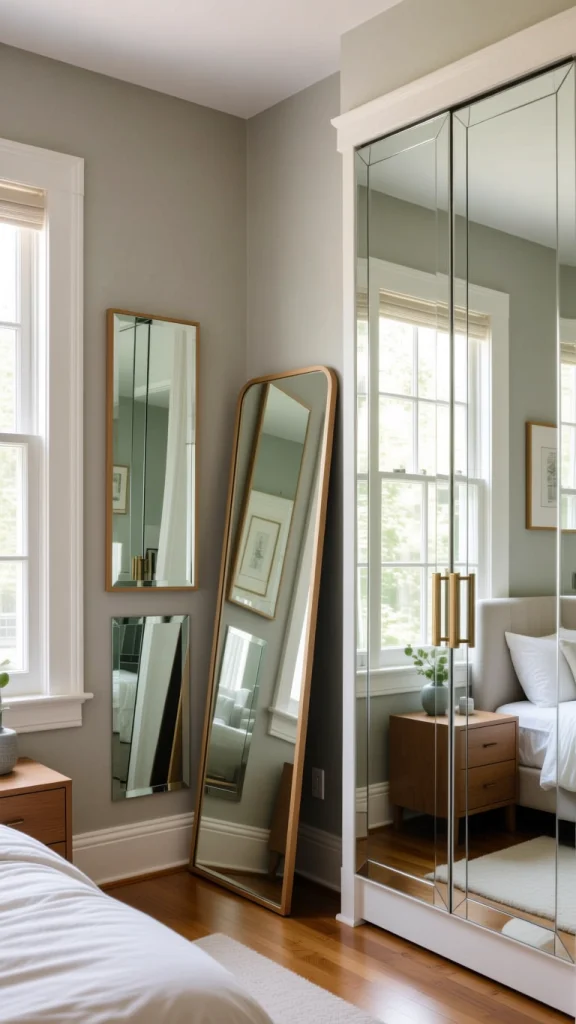
Mirrors are magic in small bedrooms. They reflect light and create the illusion of more space. Lean a large floor mirror against the wall for an easy upgrade.
Position mirrors across from windows when possible. This maximizes natural light throughout the day. Even a small mirror can make a noticeable difference.
Mirrored closet doors work beautifully too. They serve a purpose while opening up the room visually. It’s functional and stylish at once.
6. Install Floating Shelves for Vertical Storage
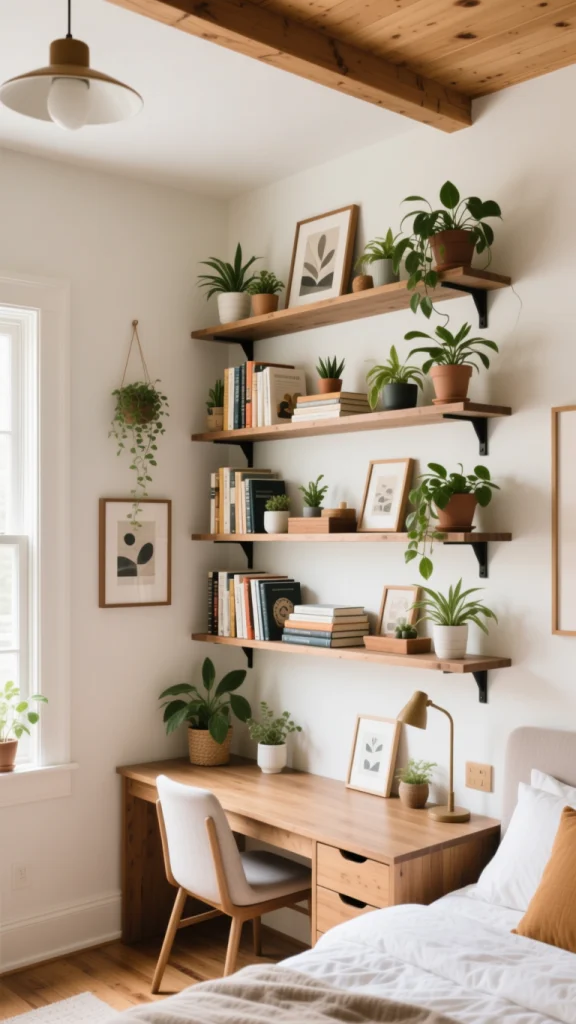
When floor space runs out, go vertical. Floating shelves use wall space without feeling heavy. Display small plants, books, or personal items you love.
Place shelves above your bed or desk area. This keeps things within reach but off surfaces. It also draws the eye upward, making ceilings feel higher.
Keep shelves organized and not too packed. A few curated items look better than crowded clutter. Rotate things seasonally to keep it fresh.
7. Choose Multi-Functional Furniture
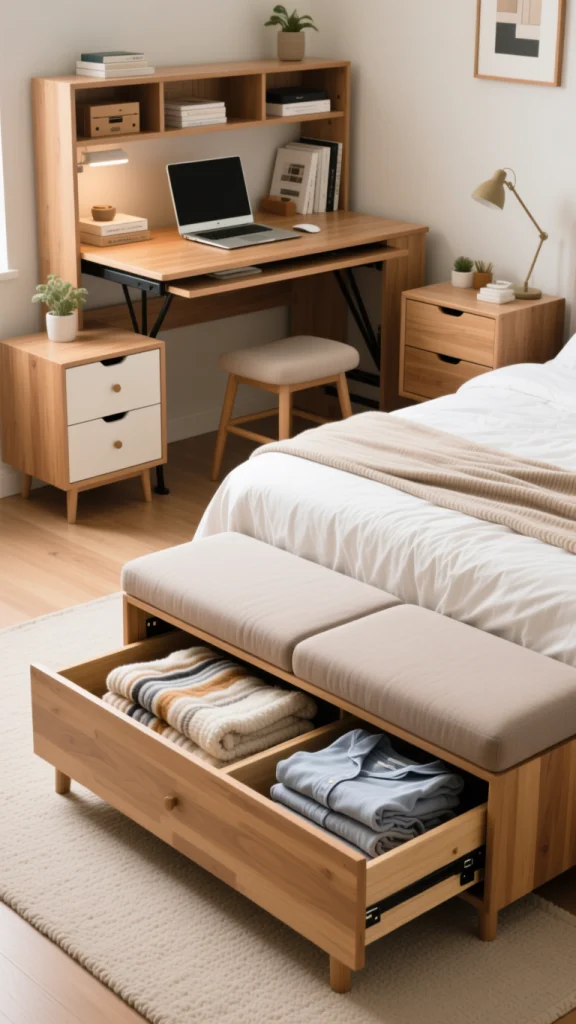
Every piece should earn its spot. An ottoman with storage inside can hold blankets and work as extra seating. A desk that folds down becomes invisible when not in use.
Nightstands with drawers or shelves provide hidden storage. Skip purely decorative furniture that doesn’t serve a purpose. Function comes first in tight quarters.
A bench at the foot of your bed offers seating and a place to stack tomorrow’s outfit. Look for pieces that do more than one job.
8. Keep Window Treatments Simple and Light
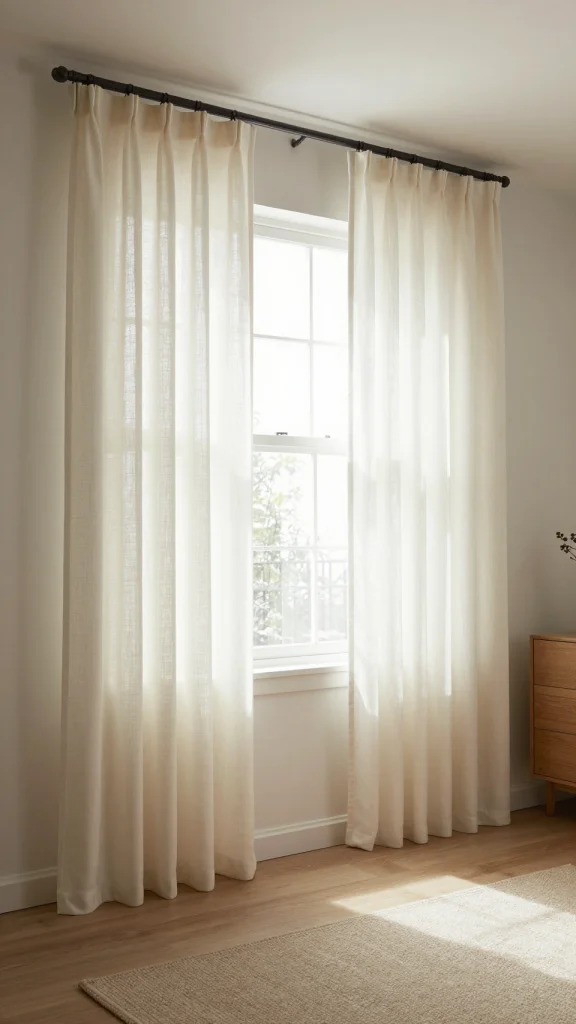
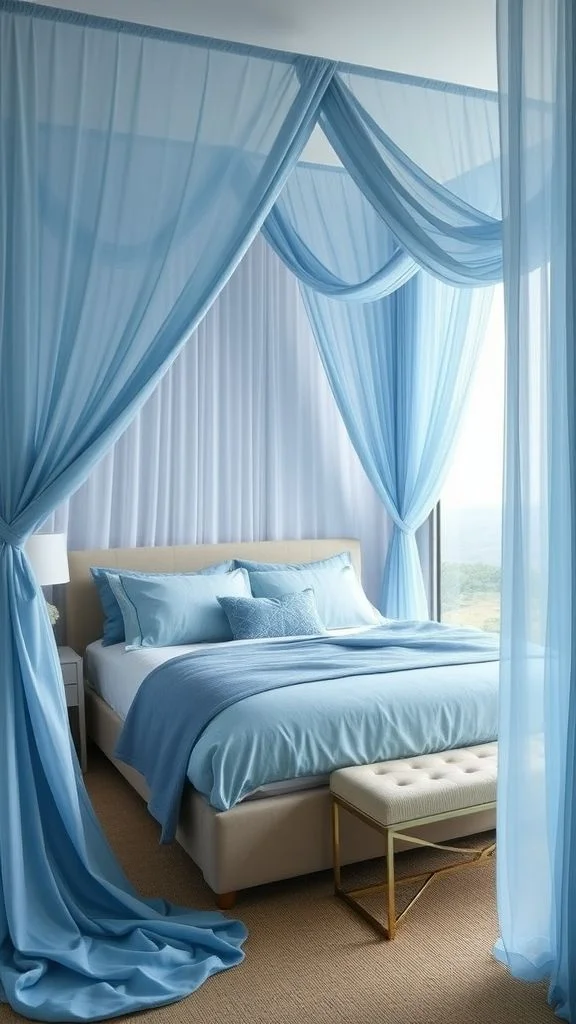
Heavy curtains can overwhelm a small room. Stick with light, airy fabrics that let natural light filter through. Sheer curtains in white or cream work perfectly.
If you need privacy, try cellular shades or simple blinds. They sit close to the window and don’t intrude into the room. Clean lines keep things uncluttered.
Avoid busy patterns or thick drapes unless you have decent ceiling height. Simple is almost always better in compact spaces.
9. Create a Focal Point with Your Headboard
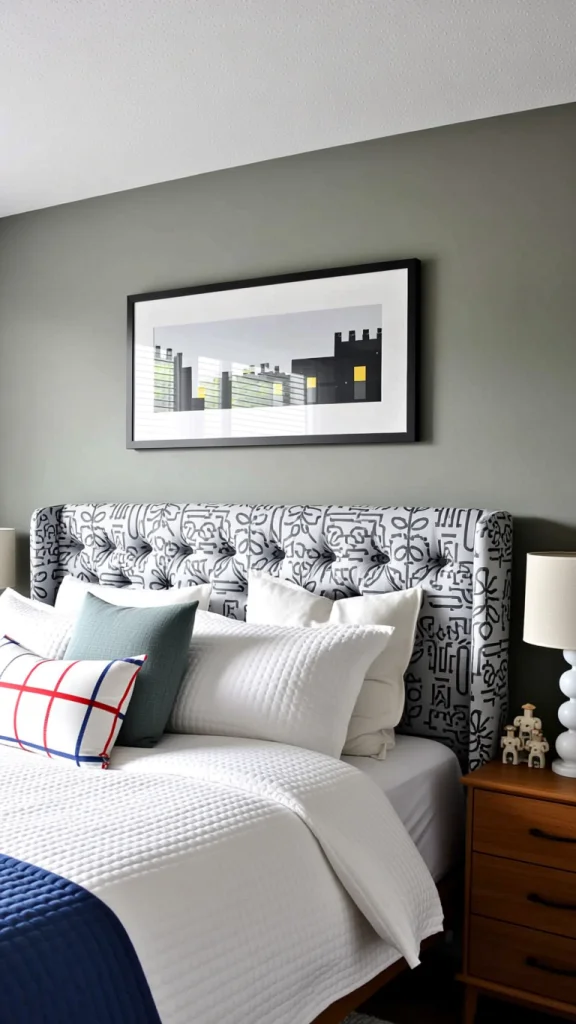
A headboard anchors your bed and adds personality. It can be simple—even a piece of painted wood works. Or go for something upholstered for extra softness.
DIY headboards are budget-friendly and totally customizable. You can paint, stencil, or wrap fabric around plywood. It becomes the room’s main feature without taking floor space.
If your bed sits against a wall, paint that wall a different color instead. An accent wall acts like a headboard and costs almost nothing.
10. Declutter Ruthlessly and Regularly
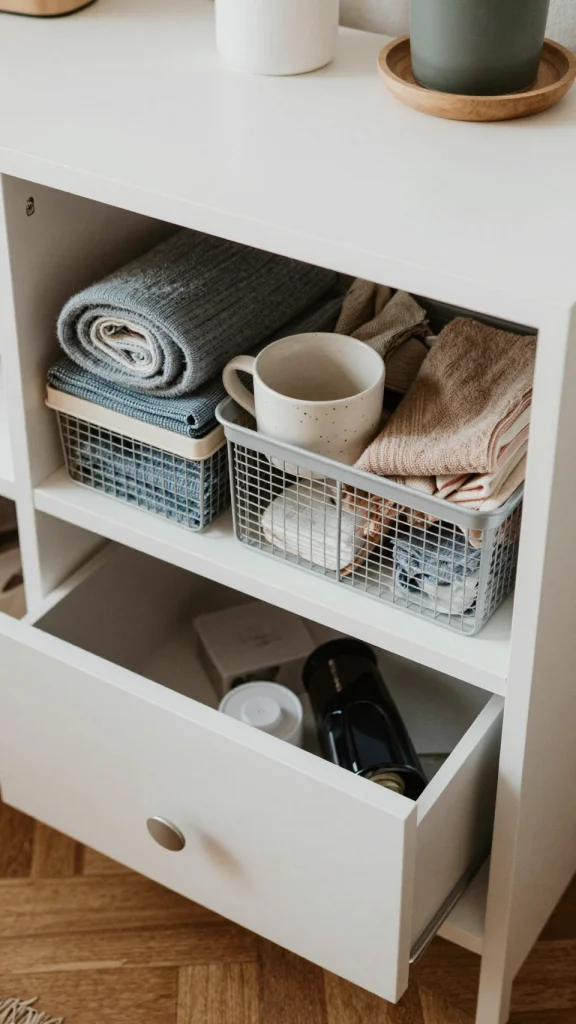
Cozy doesn’t mean messy. Small rooms show clutter fast, so edit your belongings often. Keep only what you use or truly love.
Use drawer dividers and small organizers inside furniture. Everything should have a home. When things pile up, the room feels cramped instantly.
I try the one-in-one-out rule—when something new comes in, something old goes out. It keeps belongings manageable. Plus, less stuff means easier cleaning.
11. Add Greenery for Life and Freshness
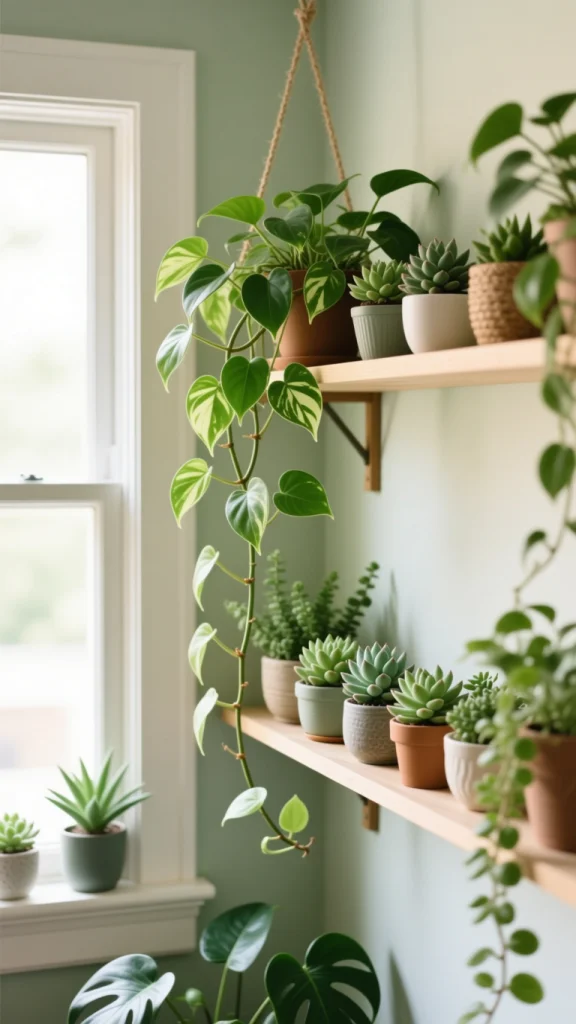
Plants bring energy and color to any space. Small succulents fit on narrow shelves or windowsills. A trailing pothos can hang from a corner and grow downward.
Don’t overthink it—even one plant makes a difference. Choose low-maintenance varieties if you’re not great with plants. Fake plants work too if you prefer zero upkeep.
Plants purify air and add a natural, cozy element. They soften hard lines and make the room feel lived-in. Just don’t overcrowd surfaces with too many.
12. Use Under-Bed Storage Smartly
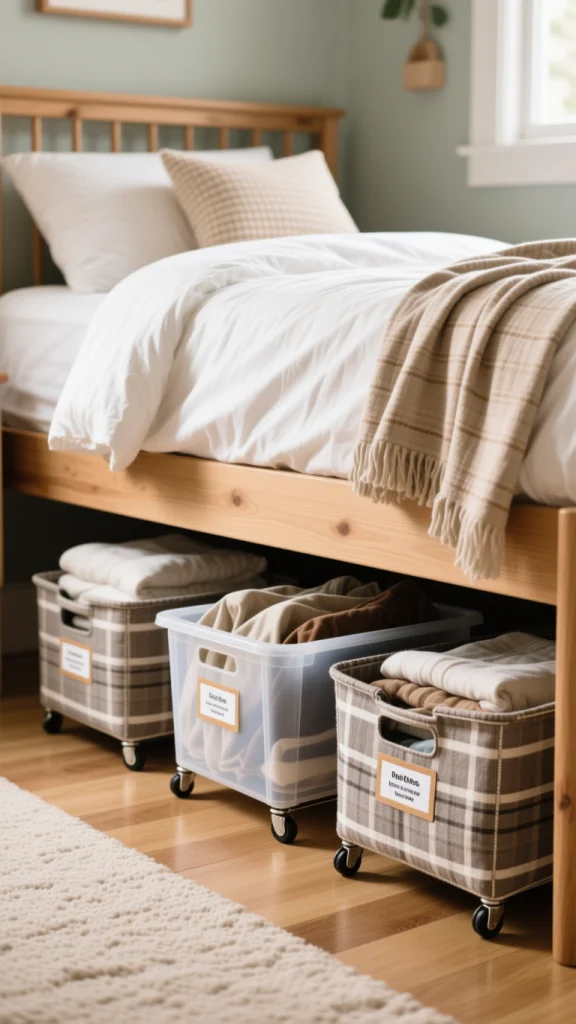
The space under your bed is prime real estate. Slide bins or baskets underneath for out-of-season clothes or extra linens. Keep them organized so you can find things easily.
Rolling storage containers work best. They pull out smoothly without scratching floors. Label them if you have several so you know what’s inside.
If your bed frame doesn’t allow for storage, bed risers lift it higher. This creates extra room underneath. Just make sure the height still feels comfortable for getting in and out.
13. Incorporate Personal Touches Without Overdoing It
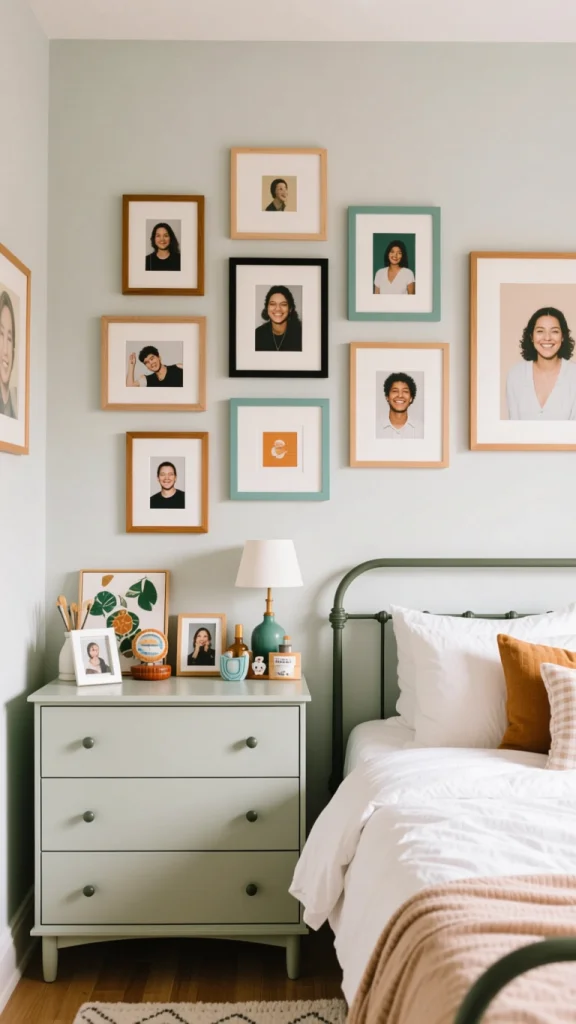
Your bedroom should feel like yours. Add photos, artwork, or souvenirs that make you happy. Just keep it curated—a few meaningful items beat a cluttered collection.
A small gallery wall above your dresser or bed adds personality. Use simple frames in matching colors for a cohesive look. Swap out prints when you want something new.
Avoid covering every surface with knickknacks. Choose one or two spots to display personal items. This keeps the room feeling intentional, not chaotic.
14. Stick to a Cohesive Color Palette
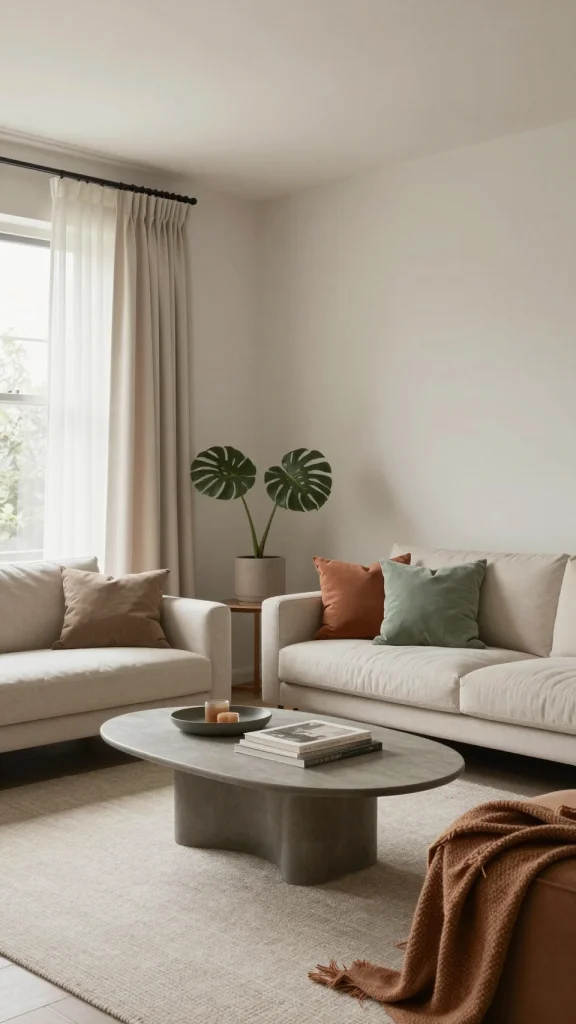
Pick three to four colors and stick with them throughout the room. This creates harmony and makes the space feel bigger. Too many colors create visual noise.
Neutrals with one or two accent colors work well. Think cream, gray, and a pop of sage green or terracotta. Repeat these colors in different elements around the room.
When everything coordinates, the eye flows smoothly. The room feels put-together and calming. It’s one of the simplest ways to make a space feel intentional.

- Elegant Wooden Wall Shelf – Crafted with high-grade engineered wood, this bookshelf wall mount enhances your interiors while organizing your essentials.
- Versatile Wall Mounted Shelf- Perfect for use in living rooms, bedrooms, home offices, or hallways. Store books, showpieces, and more in one elegant unit.
- Easy DIY Installation – The floating wall shelf includes all necessary hardware and instructions, making setup quick and hassle-free.
- Stylish & Functional Design – Combines a modern floating shelf look with the utility of a sturdy book organizer. Aesthetic and practical in one.
- Ideal Gift for Home Lovers – A perfect home decor item and a thoughtful gift for housewarmings, birthdays, or festive occasions.

- Dimension- 5 x 5 x 1.57 inches || Material- Engineered Wood || Color- Black
- Any small accessory can benefit greatly from a compact, straightforward design and a multipurpose single tone.Showcase your best artwork and adorn your house without purchasing additional furniture.The highest sophistication is simplicity.Customize your workplace, bedroom, or living area.
- Move your belongings from the counter to the wall. With three units for easily accessible item storage, the shelves will be an excellent space saver. It’s also ideal for showing off plants, trinkets, spice jars, Bluetooth speakers, etc
- Pre-drilled holes are included with small shelves. For a simple installation, standard mounting hardware is included. In only a few minutes, you can put together the wall display ledges to completely transform your room.
- These solid wood shelves compliment most home styles thanks to their traditional design and square shape. By combining this display shelf with your lovely items, you can create your own unique look.
- ABOUT WOOD: FORESTIS GALLINARIA never uses MDF for manufacturing this stylish wall shelf for home decor. The MDF(Medium Density Fiber) we use for wall shelves are chosen by our Production Advisors. The thickness of MDF we have used for this wall bracket shelf is 11 mm. While focusing the productivity of this large wall shelf for living room we never lose sight of the quality of the product and our customers satisfaction.
- ABOUT DESIGN: This large wooden wall shelf for living room and bedroom is designed with absolute precision to look good on all sizes of walls. This wall mount wooden shelf is designed ergonomically for providing the best comfort and utility.
- ABOUT SHAPE: FORESTIS GALLINARIA’s exquisite shape of this floating shelf for wall combining with the perfection of our skilled workers gives this wall mount wooden shelf an extraordinary glance. Out of all the wall mount floating shelves, This is the largest, widest and heaviest wall bracket shelf in the market. Well balanced interlocking cavities are carved for proper fixing of this wall rack and shelf for books. In this wall mount book shelf all the screw holes are properly aligned.
- ABOUT PAINT: FORESTIS GALLINARIA believes in providing variety of color range in a single product so that our customers could have wide range of options while choosing the product. We use oil based colors for providing better finish on the product. Metal gun paints that we use are water resistant, moreover they are permanent type paints which can not be scratched out easily.
- ABOUT USAGE AND INSTALLATION: While designing wall shelves or wall brackets we keep in mind about the best utility of the product. We never make sizes too small which cannot be best suited on your wall. Wall Shelves are used as wall decors. After installing this product, small decorative vases, photo frames, daily reminders are some of the items that could be kept on wall shelves. Installation of this product is quite easy. Mounting plastic caps and metal screws are complimentary with the order.

- PERFECT SOLUTION FOR WALL : Our stylish shelves look rustic yet modern, are a great addition if you need extra storage space or if you want to add green decor touch – small indoor plants, succulents, flowers.
- MATERIAL QUALITY: Crafted from premium dark mdf wood with sturdy metal brackets for reliable wall mounting and support
- SPACE-SAVING DESIGN: Floating shelf design maximises vertical wall space while providing ample storage for books and collectibles
- VERSATILE STORAGE: Each shelf offers generous depth and length to accommodate books of various sizes, from paperbacks to hardcovers
- MODERN AESTHETIC: Clean lines and minimalist design complement contemporary home décor while providing functional storage solutions

- ABOUT WOOD:The MDF(Medium Density Fiber) we use for wall shelves are chosen by our Production Advisors. The thickness of MDF we have used for this wall bracket shelf is 17 mm. While focusing the productivity of this large wall shelf for living room we never lose sight of the quality of the product and our customers satisfaction.
- ABOUT DESIGN: This large wooden wall shelf for living room and bedroom is designed with absolute precision to look good on all sizes of walls. This wall mount wooden shelf is designed ergonomically for providing the best comfort and utility.
- ABOUT SHAPE: ANTICO WOODENIA’s exquisite shape of this floating shelf for wall combining with the perfection of our skilled workers gives this wall mount wooden shelf an extraordinary glance. Out of all the wall mount floating shelves, This is the largest, widest and heaviest wall bracket shelf in the market. Well balanced interlocking cavities are carved for proper fixing of this wall rack and shelf for books. In this wall mount book shelf all the screw holes are properly aligned.
- ABOUT COLOR: ANTICO WOODENIA believes in providing variety of color range in a single product so that our customers could have wide range of options while choosing the product.
- ABOUT USAGE AND INSTALLATION: While designing wall shelves or wall brackets we keep in mind about the best utility of the product. We never make sizes too small which cannot be best suited on your wall. Wall Shelves are used as wall decors. After installing this product, small decorative vases, photo frames, daily reminders are some of the items that could be kept on wall shelves. Installation of this product is quite easy. Mounting plastic caps and metal screws are complimentary with the order.

- PREMIUM SOLID WOOD CRAFTSMANSHIP: – Crafted from high-quality solid wood, the Serenz Wooden Wall Shelf offers exceptional durability and timeless style. The natural wood finish highlights the rich grain patterns, adding warmth to any space. This floating wall shelf is perfect for home decor lovers who appreciate minimal, rustic, and elegant interior design. Ideal for displaying plants, books, or photo frames stylishly Wooden Wall Shelves.
- NATURAL WOOD FINISH WITH UNIQUE GRAIN: – Each Serenz wall shelf features a smooth, hand-polished surface with a distinctive live-edge texture, giving it a natural and earthy appeal. The solid wood shelf enhances your room’s aesthetic, making it a great addition to modern, boho, or rustic interiors. Use it as a wooden wall shelf or floating shelf to organize and decorate your home effortlessly, Wall Shelves.
- MULTIPURPOSE FLOATING WALL SHELF DESIGN: – Designed for versatility, this 16x8x1 inch wooden wall shelf suits any room — from the living room and bedroom to the hallway or office. Use it as a decorative wall shelf for books, plants, candles, or art pieces. Its floating design gives a clean, clutter-free appearance, making it a must-have wall decor accessory for modern homes and apartments Wooden Wall Shelves.
- EASY INSTALLATION & STURDY BUILD QUALITY: – The Serenz floating wall shelf is built for stability and strength. With its robust solid wood construction and hidden wall mount, it ensures a firm hold for your decor items. Ideal as a rustic wall shelf or home decor shelf, it blends durability with style. Simple installation makes it a practical and elegant addition to any interior wall.
- ELEVATE YOUR HOME DECOR WITH SERENZ: – Bring nature’s beauty indoors with the Serenz Natural Wood Wall Shelf. Its clean lines, rustic character, and premium finish complement all decor styles. Whether you want a floating wooden shelf for minimal design or a solid wood wall shelf for a cozy aesthetic, this handcrafted piece adds warmth, charm, and functionality to your living space, Wall Shelves.

- Macrame wall hanging shelves are a stylish and unique way to add some texture and dimension to your home decor. They are handmade using traditional knotting techniques and come in a variety of sizes and designs.
- The wooden floating wall shelves provide a sturdy and durable base for your items to rest on, making them perfect for displaying small plants, books, or other decorative items. They can be hung on any wall in your home, including the living room, bedroom, or even the bathroom.
- These shelves are not only functional but also make great statement pieces. The intricate knotting and wooden accents give them a bohemian and rustic look that will add a cozy and inviting feel to your space.
- Macrame wall hanging shelves are versatile and can be used to decorate any room in your home. They can be used as a standalone piece or as part of a larger gallery wall display. They also make great gifts for friends and family who appreciate unique and handmade decor items.
- When shopping for macrame wall hanging shelves, make sure to look for high-quality materials and craftsmanship. You want to invest in a piece that will last and add value to your home decor with floating wall shelves
- ABOUT WOOD: ANTICO WOODENIA uses high quality engineered wood for manufacturing this stylish wall shelf for home decor. The boards we use for wall shelves are chosen by our Production Advisors. The thickness of boards we have used for this wall bracket shelf is 1 IN. While focusing the productivity of this large wall shelf for living room we never lose sight of the quality of the product and our customers satisfaction.
- ABOUT DESIGN: This large wooden wall shelf for living room and bedroom is designed with absolute precision to look good on all sizes of walls. This wall rack shelf for home decoration can be installed in different ways easily according to the size of the wall. This wall mount wooden shelf is designed ergonomically for providing the best comfort and utility.
- ABOUT SHAPE: ANTICO WOODENIA’s exquisite shape of this floating shelf for wall combining with the perfection of our skilled workers gives this wall mount wooden shelf an extraordinary glance. Out of all the wall mount floating shelves, this shelf is the widest and heaviest wall bracket shelf in the market. Well balanced installing cavities are carved for proper fixing of this wall rack and shelf for books. In this wall mount book shelf all the screw holes are properly aligned.
- ABOUT LAMINATE: ANTICO WOODENIA uses best quality laminates on this product. High quality veneers ensure durability and a flawless finish.
- ABOUT USAGE AND INSTALLATION: While designing wall shelves or wall brackets we keep in mind about the best utility of the product. We never make sizes too small which cannot be best suited on your wall. Wall Shelves are used as wall decors. After installing this product, small decorative vases, photo frames, daily reminders are some of the items that could be kept on wall shelves. Installation of this product is quite easy. Mounting plastic caps and metal screws are complimentary with the order.

- Multi- Functional Shelf: Enough Space To Accommodate Most Standard Sized Jars, Excellent For Cabinet Or Pantry Organizer & Storage. It Is Suitable For Kitchen, Living Room, Office , Bedroom & Bathroom
- Heavy Duty: The Bathroom Corner Shelf Is Made Of High Quality Ms Metal And Further Powder Coated, Which Makes It Durable And Anti-Rust, Ensuring Heavy Duty For The Daily Using
- Space Saver Storage Organizer: Wall Mounted Floating Spice/Shampoo Organizer Effectively Saves Space And Helps To Well Organize Your Living Area, Kitchen Area, Bathroom Area As Well As Office.
- Easy To Install – Minimal Assembly Required With Quick Set-Up. Hardware Is Included.; Warranty: 1 Year Warranty On The Manufacturing Defects.
- Item Type Name: Rack

- SPACE-SAVING: A small and simple design combined with a versatile single tone can be perfect for any small accessories.Display your favorite art and decorate your home without adding more furniture.Simplicity is the ultimate sophistication.Personalize your living room,bedroom or office.
- Mini Style: Size: 5″D×5″W×1.57″H. Minimalist design makes these shelves look cute. Maximize wall space without occupying too much space. Suitable for bedroom, bathroom, kitchen, office as a beside shelf.
- Multipurpose Wall Shelf: Transfer your items from countertop to the wall. The shelves will be a good space saver with 3 units for storing items and easily reaching. Also perfect for displaying plants, collectibles, spice jars, bluetooth speaker, etc.
- EASY TO INSTALL:Small shelves comes with pre-drilled holes. Standard mounting hardware are included for easy installation. You can assemble the display ledges for wall in minutes to instantly give your space an entirely new look!
- Home Decor: With square shape, classic design makes this solid wood shelves complements most home style. You can customize your own style, exhibiting your beautiful objects combined with this display shelf.
FAQs
How do I make a small bedroom feel cozy?
Layer soft textures, use warm lighting, and keep clutter minimal. Stick with light colors and add personal touches you love.
What bed is best for a small bedroom?
A bed with built-in storage or a platform bed works great. Daybeds are also smart if you need multi-purpose furniture.
Should I use dark colors in a tiny bedroom?
Light colors make small rooms feel larger. Save darker shades for accent pillows or small decor pieces instead.
How can I add storage without making the room feel crowded?
Use vertical space with floating shelves and wall-mounted organizers. Under-bed storage and multi-functional furniture also help tons.
Can mirrors really make a room look bigger?
Yes, mirrors reflect light and create depth. Place them across from windows to maximize natural light and openness.
Conclusion
Bedroom ideas for small rooms cozy and functional don’t have to be complicated. Focus on smart storage, soft textures, and light colors.
Keep things simple and personal. Your tiny bedroom can absolutely feel like a warm retreat—you just need to be intentional with your choices.
Start with one or two changes and build from there. Before long, you’ll have a space that feels way bigger and infinitely cozier than you imagined.