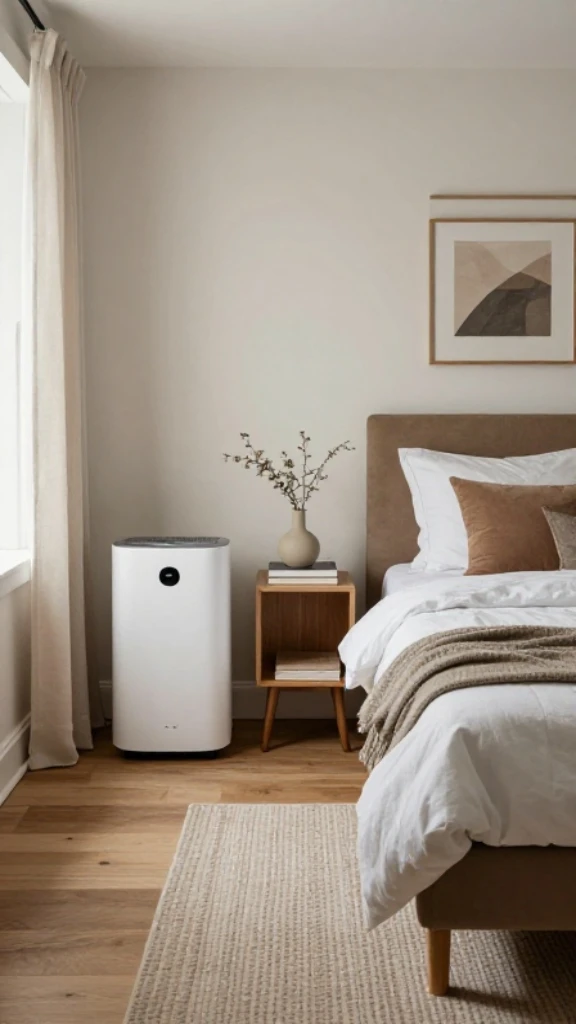
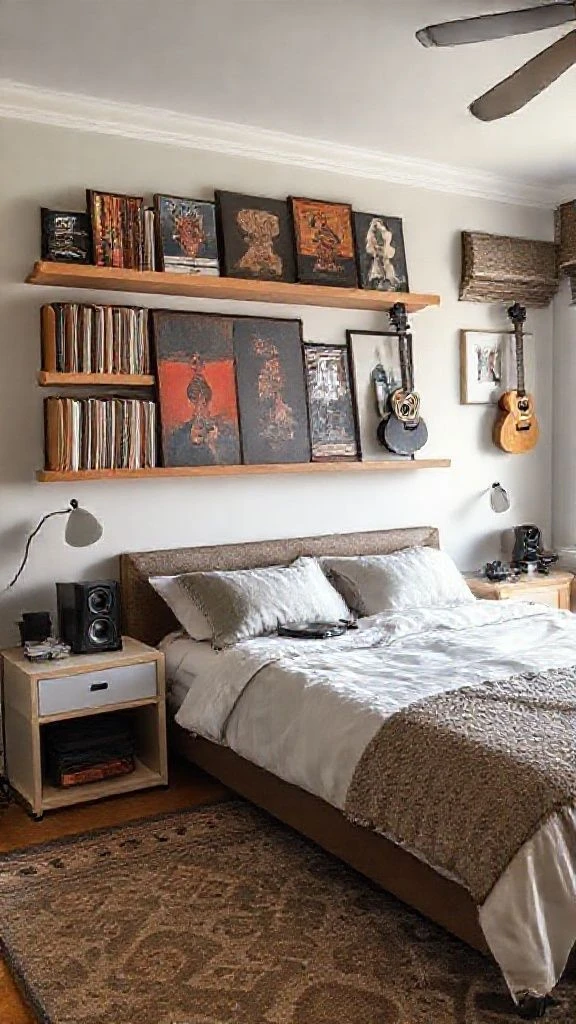
There’s something special about waking up in a location that feels like a quiet corner of an old library, coupled with the warmth of a bright study area. A light academia bedroom isn’t just about following a trend—it’s about creating a sanctuary that promotes learning, creativity, and eternal beauty.
I recall the first time I rearranged my room with this aesthetic in mind; suddenly, every morning felt like the beginning of a narrative I wanted to write. The soft creams, the scattered books, the beautiful light streaming through linen curtains—it all made me feel more motivated and tranquil.
If you’ve been dreaming of transforming your bedroom into an academic hideaway that feels both elegant and comfy, you’re at the correct place. Let’s examine how to bring this gorgeous aesthetic to life in your own place.
1. Start With a Soft Neutral Color Palette
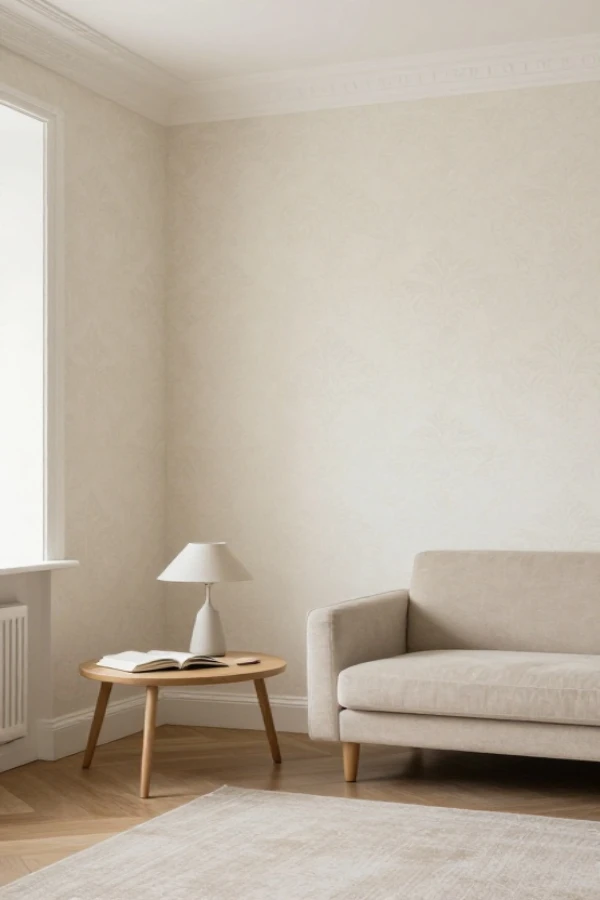
The foundation of any light academia area begins with choosing the proper colors. Think warm creams, soft beiges, light tans, and muted whites that create a peaceful ambiance. These neutral tones replicate the pages of worn books and vintage images, quickly evoking the intellectual ambiance.
You can paint your walls in a pleasant off-white or choose wallpaper with modest damask designs. Don’t be hesitant to combine several hues of cream and ivory—this gives depth without dominating the area. The idea is to create a backdrop that seems like walking into a classic story.
Consider adding dashes of sage green or dusty rose as accent colors if you want a bit more personality. This palette not only looks nice but also makes your space feel larger and more serene, excellent for reading or studying.
2. Invest in Vintage or Vintage-Inspired Furniture
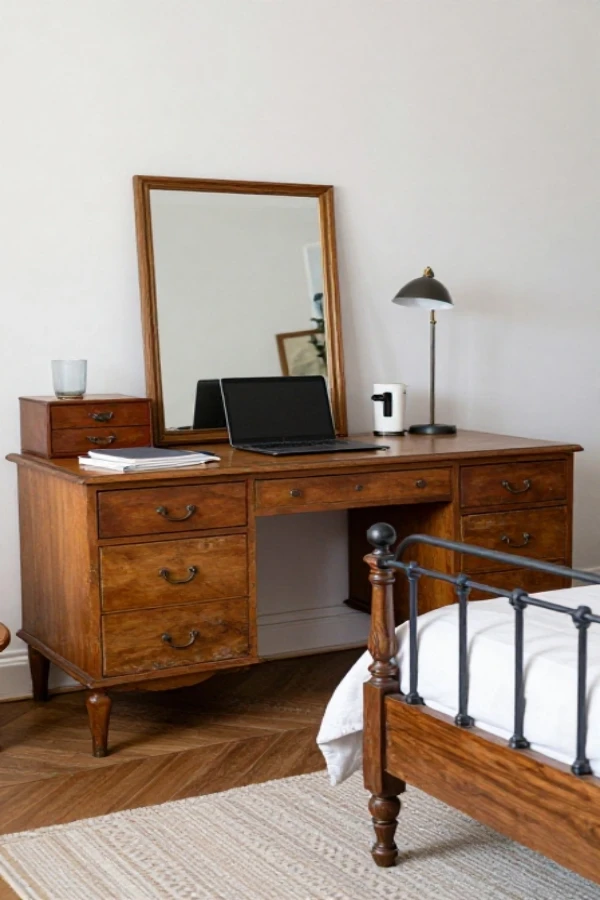
Furniture choices may either make or ruin your light academia bedroom renovation. Look for pieces that have character and history, like a wooden desk with elaborate detailing or an aged dresser with brass handles. Thrift stores and antique shops are treasure troves for discovering original vintage furniture at low prices.
If buying antique pieces isn’t possible, numerous modern furniture retailers now offer vintage-inspired designs that capture the same character. A wooden bed frame with carved embellishments or a plain wrought-iron frame works nicely.
Don’t worry if items don’t match perfectly—mismatched furniture really adds to the collected-over-time charm that distinguishes this look. The idea is choosing artifacts that look like they may have belonged to a scholar from another age, pieces that convey a tale and invite you to invent your own.
3. Layer Your Bed With Natural Textiles
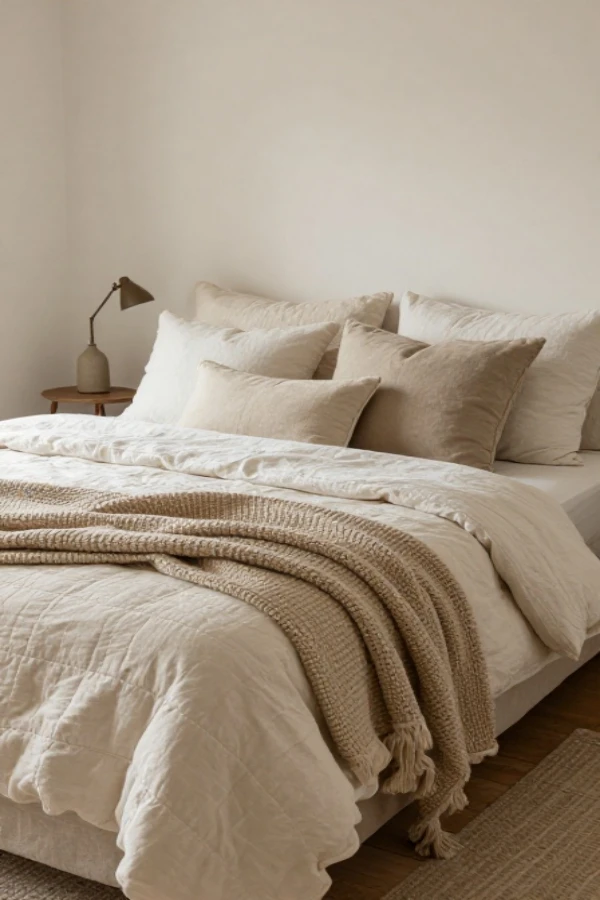
Your bed should be the coziest, most inviting area in your light colored bedroom. Start with high-quality cotton or linen sheets in cream or white, then layer on knitted throws, quilted blankets, and plenty of pillows. Natural textiles are essential—think cotton, linen, wool, and even silk for that touch of old elegance.
A bulky knit blanket draped across the foot of your bed adds texture and warmth. Mix different fabric weights and textures to generate visual interest without introducing dramatic colors or patterns. Vintage-style quilts or crocheted blankets work particularly well for this aesthetic.
You want your bed to look like something from a Jane Austen adaptation—inviting enough that you’d want to cuddle up with a book for hours. Don’t scrimp on comfort here; the light academia style is as much about feeling nice as it is about looking beautiful.
4. Create a Dedicated Reading Corner
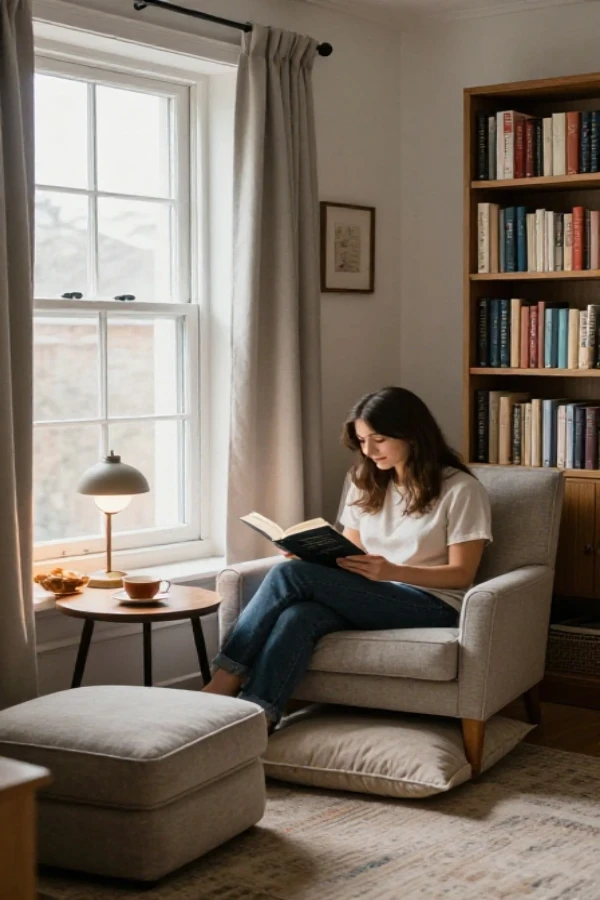
What’s a light academia bedroom without a beautiful area to drown yourself in literature? Designate a corner of your room particularly for reading by placing a comfortable armchair or cushioned window seat there. Add a tiny side table to keep your current read, a cup of tea, and possibly an antique lamp for evening reading sessions.
If room is limited, even a mound of floor cushions beside a bookshelf can work nicely. The idea is to create a setting where you naturally want to spend time with books. Consider adding a tiny footstool or ottoman for extra comfort.
Good lighting is vital here—natural light is great during the day, but have a nice reading lamp ready for bedtime. This space becomes your personal retreat within your retreat, a spot that encourages the calm contemplation and learning that light academia honors.
5. Display Books as Decor Elements
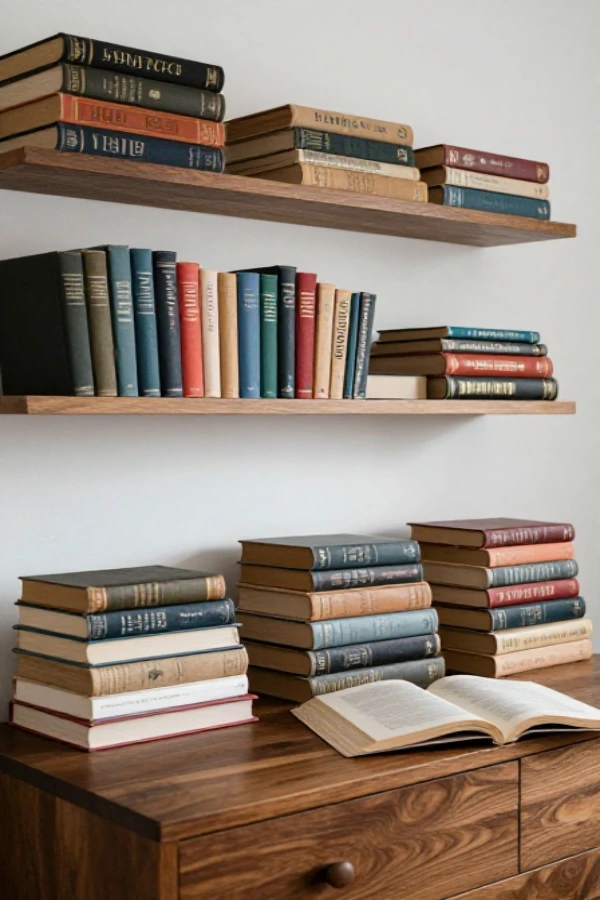
Books aren’t just for reading in a light academia bedroom—they’re crucial decorating pieces. Stack old books on your bedside, arrange them on floating shelves, or create little stacks on your desk or dresser. Hardcover books with gorgeous spines function especially well as display items.
You can locate affordable vintage books at thrift stores, estate sales, or even online. Arrange them by color if you want a more curated look, or leave them arranged by subject for functionality. Don’t hide your books away in closed cupboards; they should be visible and accessible, reminding you of worlds waiting to be explored.
Lying a coupleof open books on your desk or bed offers an authentic “lived-in” feeling. Books become part of your room’s story, expressing your interests and intellectual curiosity. Plus, there’s something extremely comfortable about being surrounded by reading.
6. Incorporate Vintage Artwork and Prints
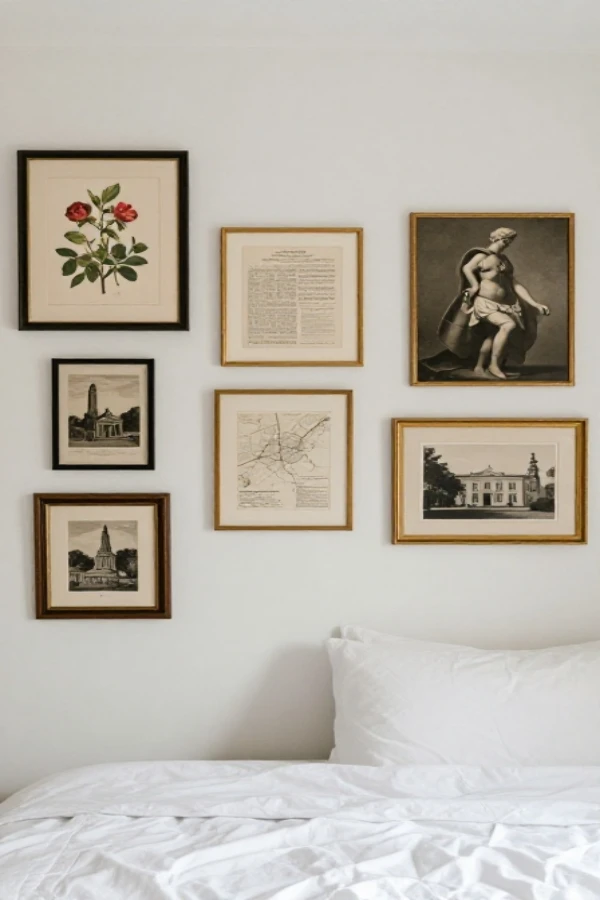
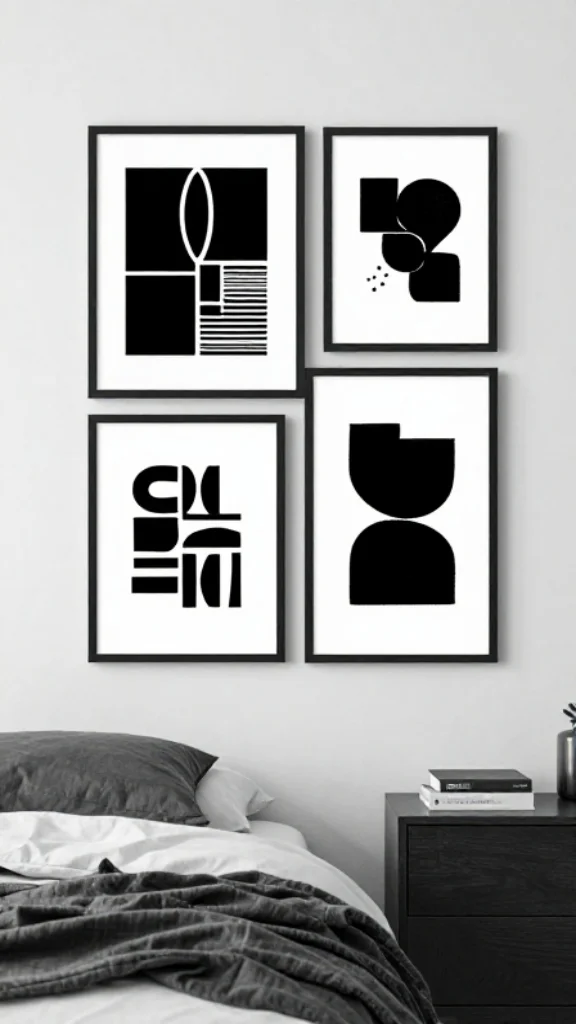
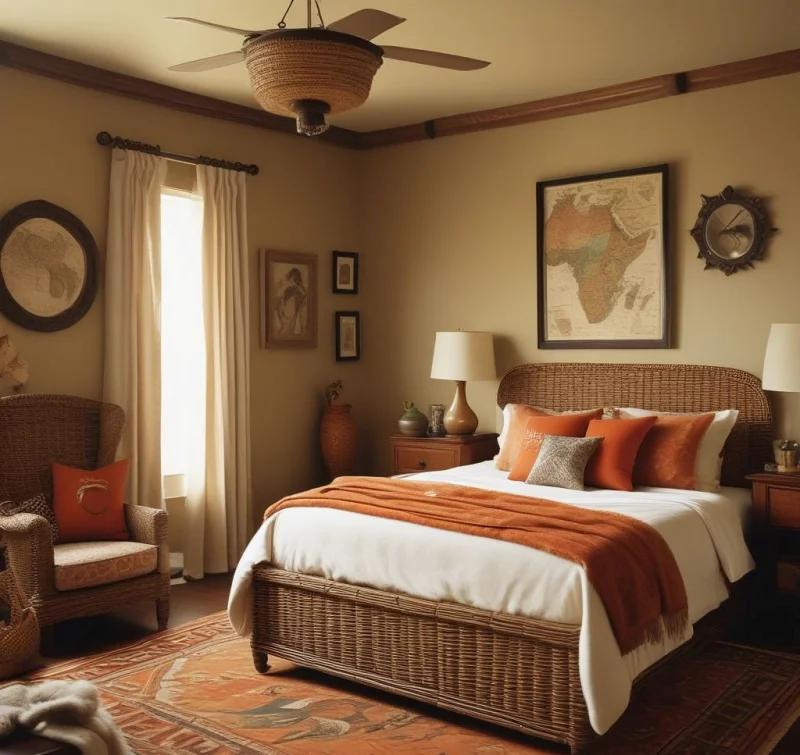
Walls in a light academia bedroom should exhibit art that stimulates thoughtfulness and creativity. Look for vintage botanical prints, classical sculpture copies, old maps, or images of famous paintings. Black & white photos of historical sites or vintage university buildings also work wonderfully.
You can purchase affordable prints online or at thrift stores, then frame them in simple wooden or gold frames. Create a gallery wall with varying sizes and subjects, or keep it modest with one or two statement pieces. Don’t feel forced to spend a fortune—even printed pages from old books or music sheets can make lovely wall art when framed.
The artwork should reflect your personal interests while preserving that ageless, intellectual feel. It’s about surrounding yourself with images that encourage inquiry and conversation, just like wandering through a museum but in the comfort of your own bedroom.
7. Add Warm Lighting With Multiple Sources
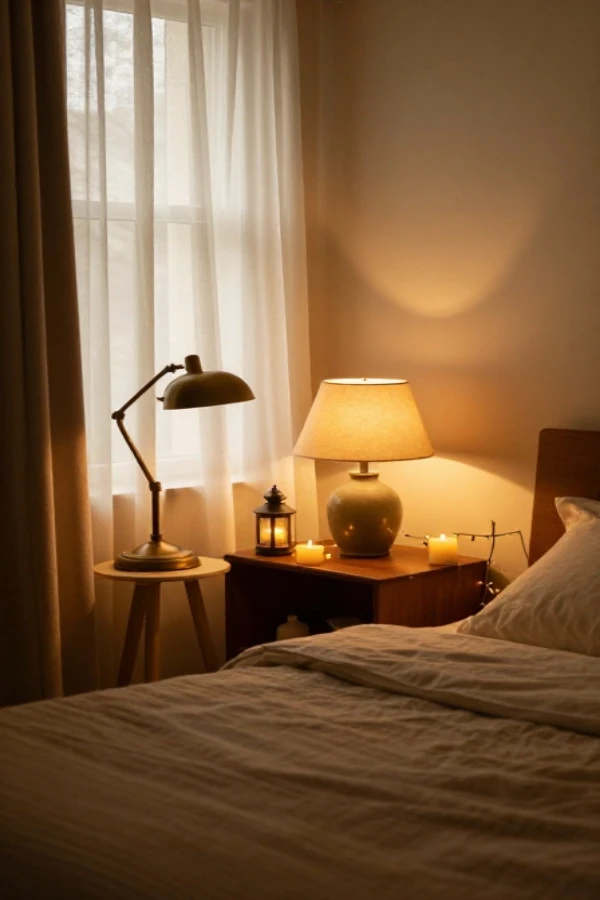
Lighting greatly affects the ambiance of your light academia bedroom; therefore, it demands careful attention. Harsh overhead lighting doesn’t fit this aesthetic—instead, employ various warm light sources throughout the area. A vintage-style desk lamp with a brass finish, a ceramic table lamp on your nightstand, and perhaps string lights with soft bulbs offer layers of mild illumination.
Look for lights with fabric shades that spread light softly. Candles (actual or battery-operated) give both light and ambiance, especially in vintage candlesticks or hurricane lanterns. The idea is to generate that golden-hour glow that makes things feel softer and more inviting.
During the day, enhance natural light with transparent drapes that filter sunlight nicely. In the evening, your tiered lighting offers a warm atmosphere great for studying, reading, or simply relaxing. Good lighting isn’t simply functional—it’s what makes your room feel absolutely amazing.
8. Include Natural Elements and Greenery
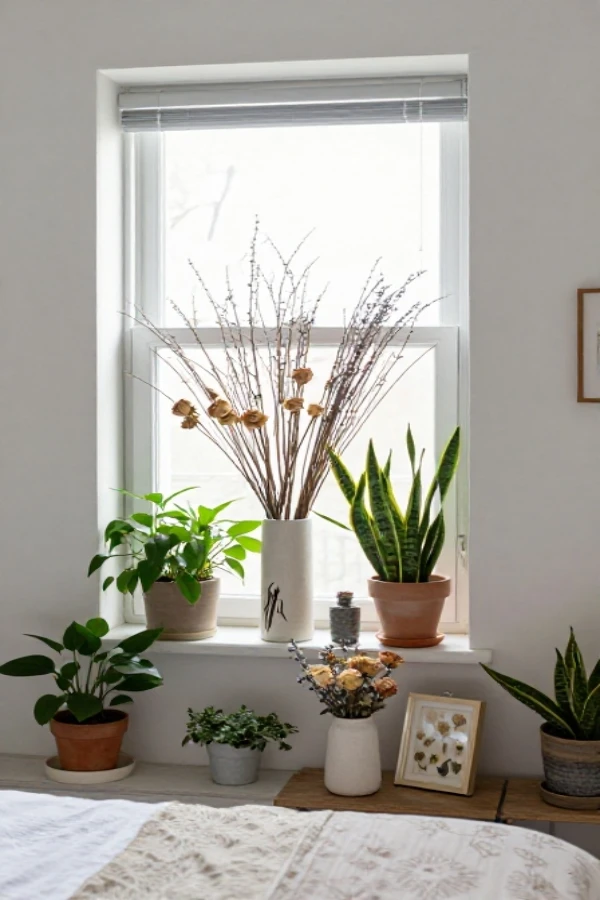
Bringing nature within is vital for generating an authentic light academia bedroom. Fresh flowers in vintage vases, potted plants on windowsills, or dried botanicals in simple containers all lend life and freshness to your room. Consider easy-maintenance plants like pothos, snake plants, or peace lilies if you’re not confident with plant care.
Dried flowers, especially in neutral tones like dried roses, lavender, or eucalyptus, keep endlessly and look delightfully old. You may also display pressed flowers in frames or arrange branches in a tall vase for a dramatic yet natural statement. These natural elements soften the area and connect your indoor retreat with the outside world.
There’s something about having living things in your room that makes it feel more natural and less contrived. Plus, many plants help enhance air quality, making your room not just gorgeous but healthier too.
9. Design a Functional Study Space
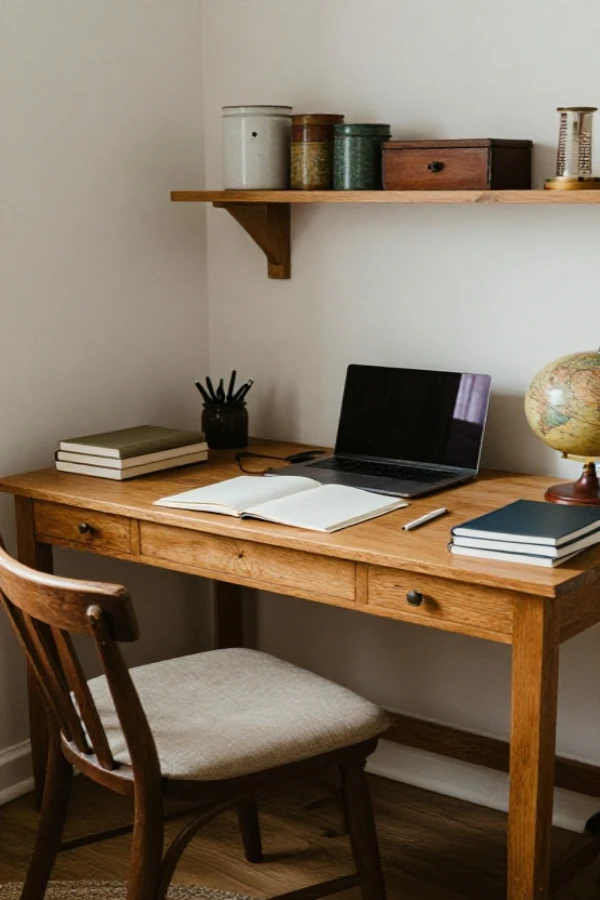
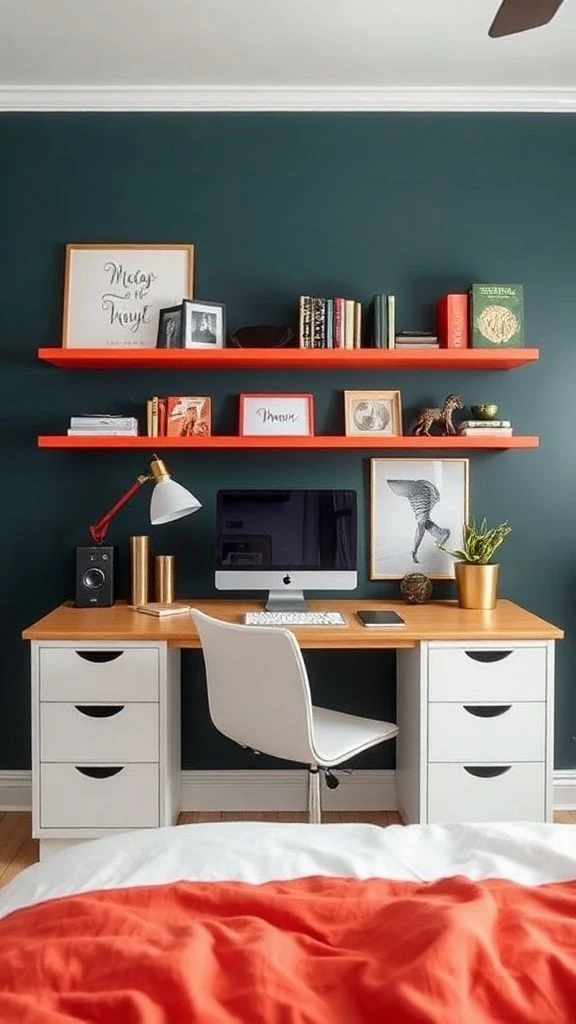
Since light academia celebrates studying and intellectual pursuits, your bedroom needs an appropriate study area. Choose a desk with adequate surface space for writing, your laptop, and shelves of books. An old wooden desk works nicely, but even a simple modern desk may be designed suitably with the right accessories.
Add a comfortable chair—maybe an antique wooden desk chair or an upholstered one in a neutral fabric. Organize your materials in old containers like ceramic pots, wooden boxes, or antique tins. Keep a jar of pens, a stack of excellent notebooks, and maybe an old globe or desk organizer visible.
This space should stimulate productivity and creativity, not worry. Good organization is key—everything should have its place, but not look too sterile or immaculate. Your workstation becomes a reflection of your scholastic activities, a place where ideas come to life.
10. Use Mirrors to Enhance Light and Space
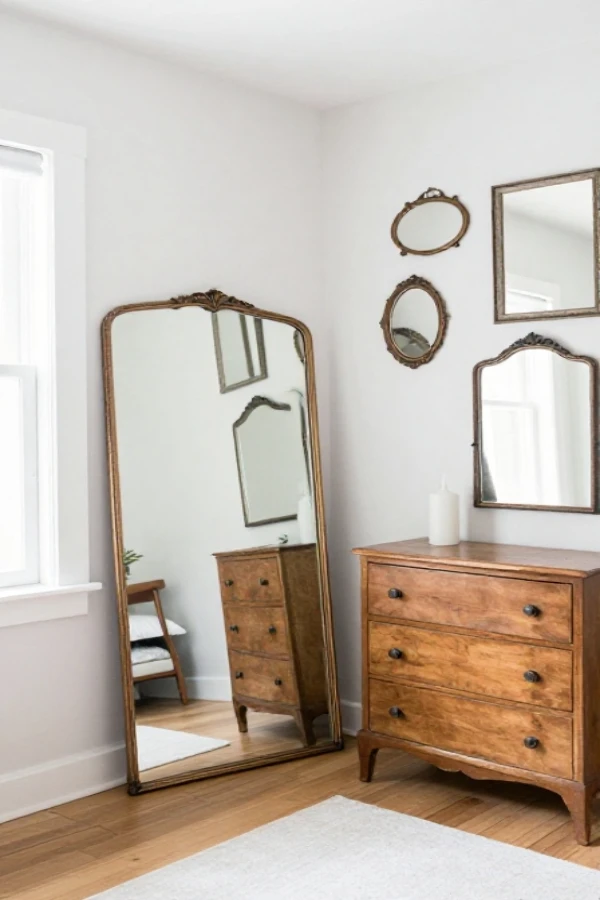
Mirrors are particularly important in a light academia bedroom, especially if your room is smaller or doesn’t get abundant natural light. A large vintage mirror with an intricate frame becomes both useful and ornamental. Position mirrors opposite windows to reflect natural light across the area, instantly making the space feel brighter and more open.
You might lean a full-length mirror against the wall for a casual, collected effect, or hang an antique vanity mirror above your dresser. Antique mirrors with slightly weathered frames match wonderfully with this aesthetic and may easily be purchased at flea markets or thrift stores.
Even a group of tiny vintage mirrors set on one wall offers visual appeal while providing a purpose. The trick is choosing mirrors that look like they have history, not trendy minimalist designs. Mirrors help generate the airy, light-filled sense that distinguishes this look so well.
11. Incorporate Vintage Accessories and Trinkets
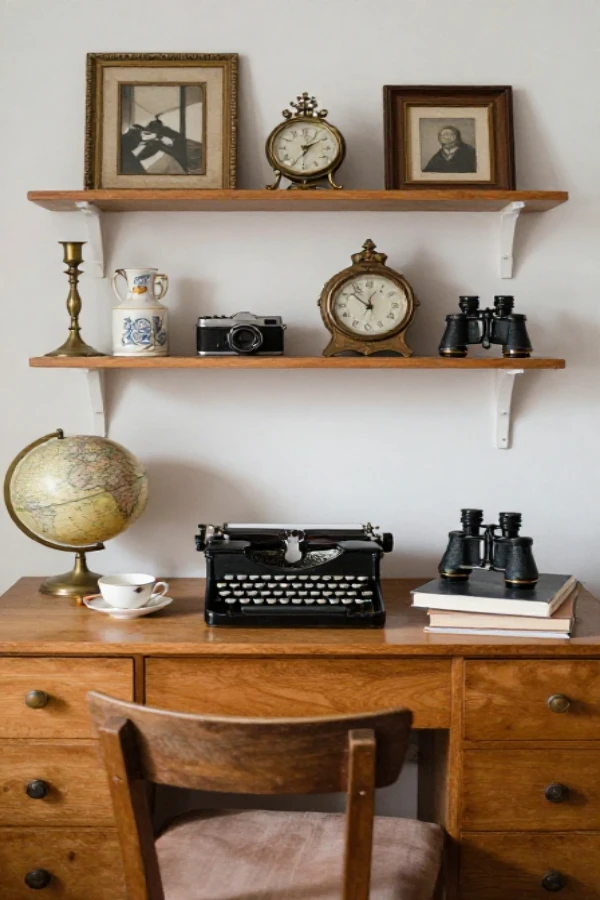
The details truly bring your light colored bedroom to life, so choose a collection of vintage accessories mindfully. Think old typewriters, vintage cameras, antique clocks, brass candlesticks, ceramic vases, or aged picture frames. These objects offer charm and make your area feel collected rather than adorned overnight.
Visit antique stores, estate sales, or even your grandparents’ attic to find real artifacts. Display them on shelves, your desk, or dresser where they’re visible but not cluttered. A vintage globe, an ancient telescope, or antique binoculars can serve as stunning conversation pieces. Don’t go overboard—choose stuff that actually fascinates you and tell your story.
Maybe you collect vintage teacups or old fountain pens; incorporate those loves into your decor. These accessories should feel important, not just haphazardly put. They’re what make your light academic bedroom distinctively yours, representing your intellectual curiosities and personal history.
12. Choose Window Treatments That Filter Natural Light
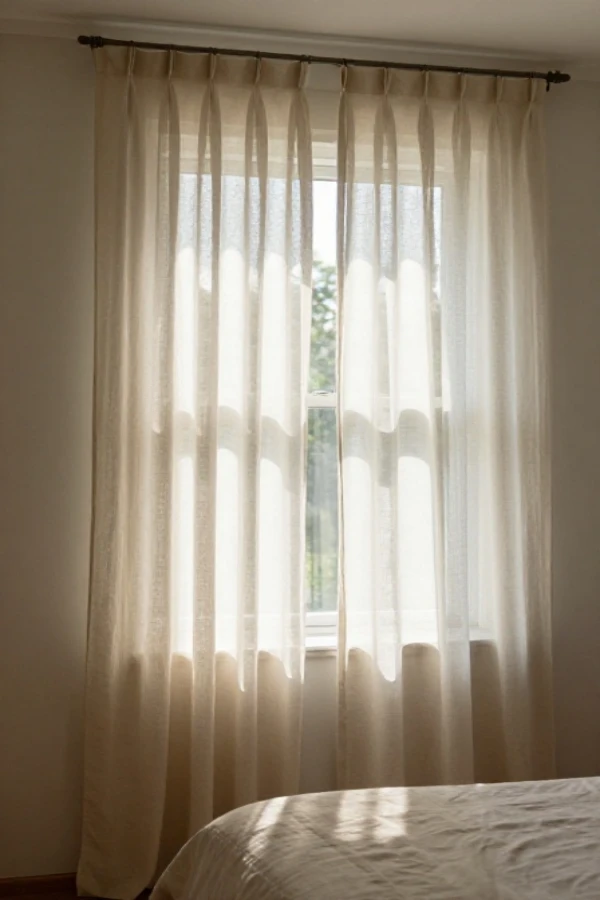
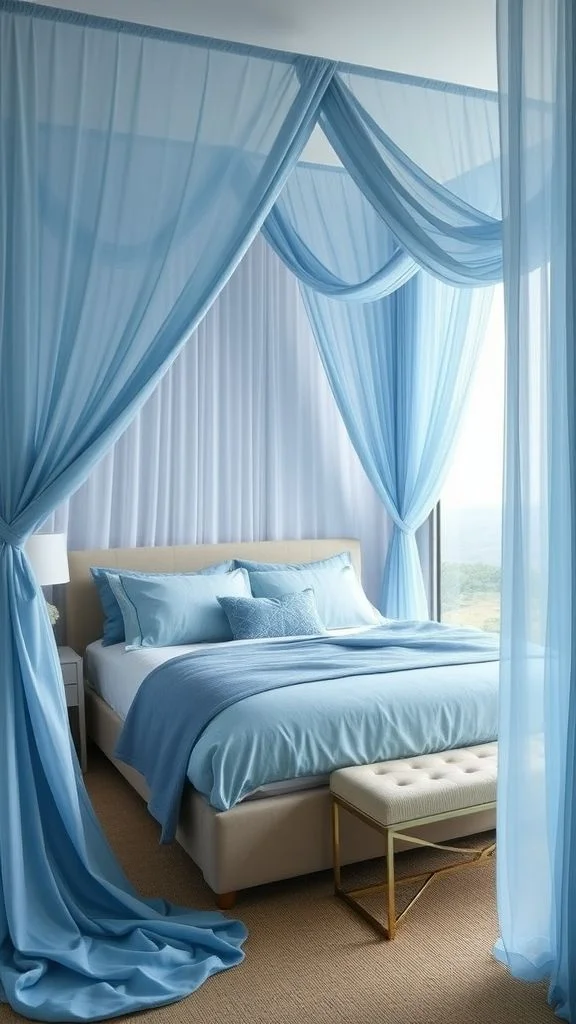
Windows are vital in a light academia bedroom because natural light is a cornerstone of this aesthetic. Select curtains or drapes in light, natural materials like linen or cotton in cream, white, or soft beige. Sheer curtains work great for diffusing sunlight while maintaining privacy, providing that dreamy, soft-focus impression.
You might mix sheers with heavier linen curtains for versatility—open throughout the day for maximum light, closed in the evening for coziness. Avoid heavy, dark curtains or anything with dramatic patterns; they’ll go against the light, airy atmosphere you’re generating.
If privacy isn’t a problem, you might even leave windows bare to maximize natural light. Wooden or bamboo blinds also match the style when teamed with soft fabric drapes. The idea is to allow as much natural light in as possible while preserving the soft, filtered quality that makes the room feel like a calm morning in a countryside cottage or a sunlit library.
13. Add Textural Elements With Rugs and Runners
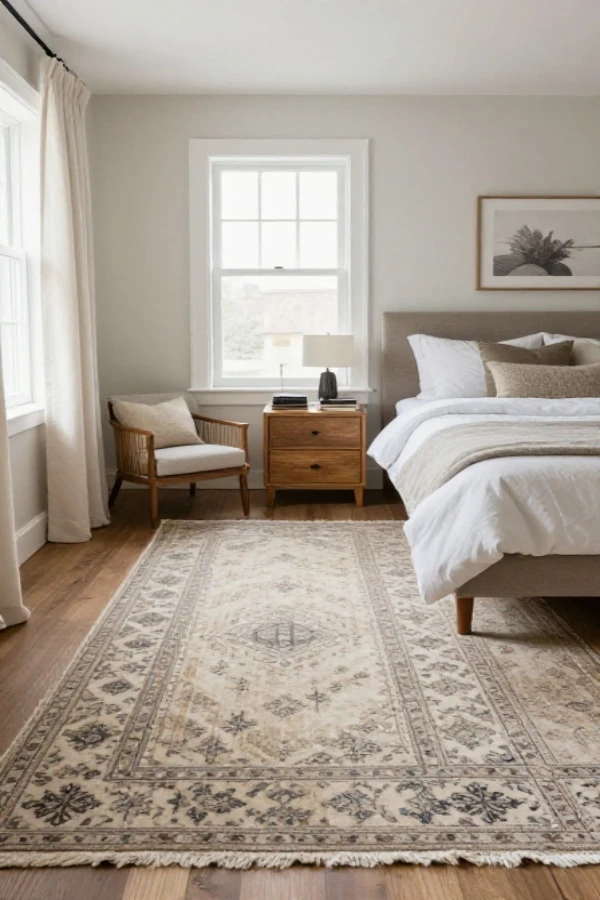
Floor coverings give warmth and texture that make your light colored bedroom seem complete and homey. A vintage-style area rug in neutral tones with minor patterns settles the space and offers visual interest underfoot. Look for Persian-style rugs in fading colors, natural fiber rugs like jute or sisal, or basic cream-colored wool rugs.
Layering rugs—like placing a smaller vintage runner over a big neutral rug—adds depth and that collected-with-time vibe. These textural aspects are especially significant if you have hardwood flooring, as they make the space feel warmer and more inviting. Don’t stress about perfection; a slightly worn rug actually complements the old vibe.
The rug you choose should feel soft and cozy since you can find yourself sitting on the floor surrounded by books. It’s about generating physical comfort that complements the visual beauty you’ve meticulously constructed across the room.
14. Create an Organized Bookshelf Display
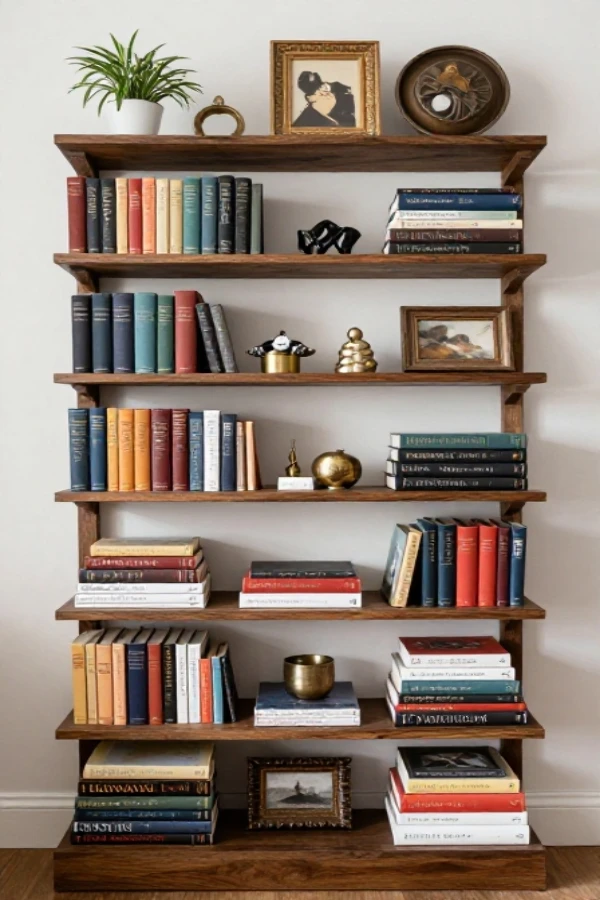
Your bookcase is definitely one of the most crucial things in a light academia bedroom. Whether it’s a tall vintage bookcase, floating shelves, or a simple modern shelf unit, how you organize and style it counts. Arrange books in various ways—some upright, some piled horizontally, providing space for ornamental objects.
Integrate those vintage accessories we talked about earlier: little sculptures, vintage frames, plants, or unusual findings. You might organize books by color for visual appeal or by subject for functionality. Leave some breathing room; a full shelf can look cluttered rather than curated. Consider adding little bookends, possibly bronze or marble, to hold book collections together.
Include novels that match your true interests alongside beautiful vintage volumes. This isn’t just decorative storage—it’s an exhibition of your intellectual life and passions. Your bookcase shows guests (and reminds you) what’s important to you, what worlds you’ve explored, and what knowledge you’ve gained.
15. Incorporate Writing and Stationery Supplies
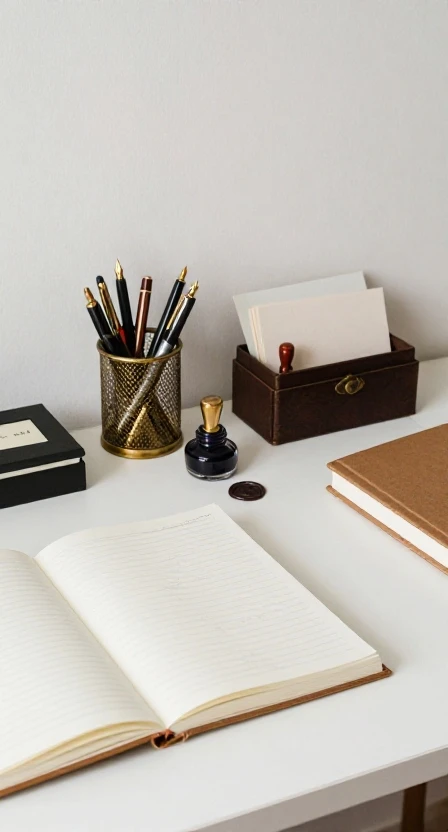
A light academia bedroom celebrates the written word, so having nice stationery and writing equipment visible is crucial. Display a collection of fountain pens in a vintage holder, stack gorgeous notebooks or journals on your desk, or preserve letter-writing equipment in an antique box. Wax seals, old stamps, and fine paper all fit this look well.
You might establish a tiny writing station with everything you need to correspond with pals or document your thoughts. Even if you do most of your work digitally, having these analog instruments available maintains the cerebral, deliberate mood. Consider exhibiting a vintage ink bottle or an old-fashioned pen set as decor.
These products aren’t just functional—they’re reminders to slow down, to think carefully about your words, to interact with ideas in a meaningful way. There’s something charmingly deliberate about calligraphy that perfectly catches the light academia vibe and makes your bedroom feel like a true scholar’s refuge.
16. Personalize With Academic or Intellectual Interests
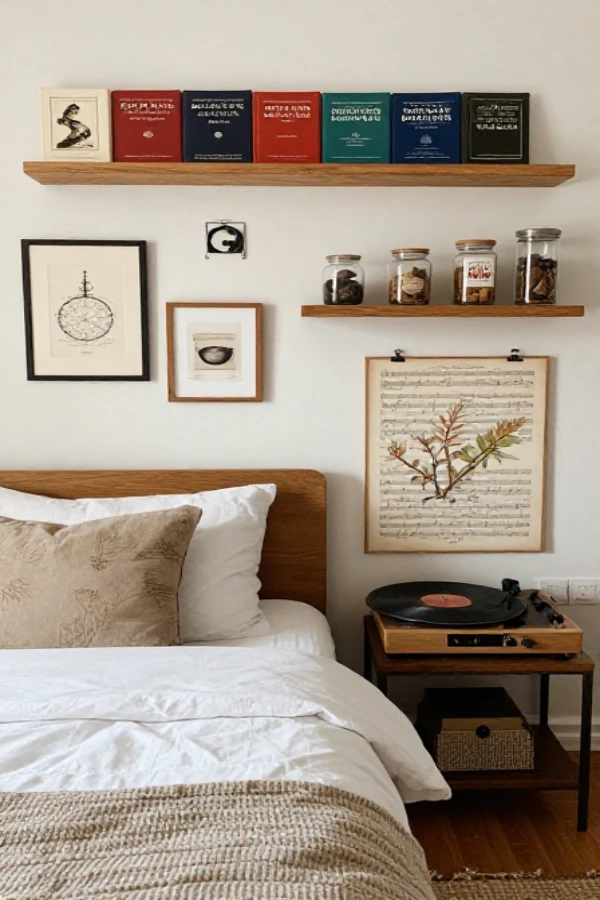
While following the light academia aesthetic principles, don’t forget to make the area genuinely yours. Incorporate features that reflect your own academic interests or intellectual inclinations. If you enjoy languages, showcase foreign dictionaries or phrase books. If you’re interested in science, vintage scientific pictures, or a modest collection of specimens in glass jars works nicely.
Music fans can include sheet music, an antique record player, or classical music memorabilia. Art fans could feature art history books and prints of their favorite painters. History aficionados could exhibit antique maps, vintage photographs, or historical biographies. The beauty of light academia is that it celebrates all forms of learning and inquiry.
Your bedroom should represent what actually excites you intellectually, not merely look like a generic aesthetic chamber. This customization makes your space feel lived-in and authentic, a true expression of who you are and what you value, rather than just a nicely set room from a Pinterest board.

- Storage Organizer for Books-book shelves
- Bookcase for Home-home decoration items for living room
- Cabinet Shelves for Bedroom/Office/Living Room-book shelf for wall
- Easy to carry from one place to another-book shelf for home wooden
- Want Perfect Book organization in your room but on a budget? This is it! It will help you stay organized, and its good static load-bearing capacity is also impressive

- 【Heavy-Duty & Built to Last】This 3-tier plastic rolling cart is made from premium PP material—scratch-resistant, waterproof, and built to last. Each tier holds up to 5 kg (≈11 lbs), sturdy enough for heavy textbooks, large spice jars, or brass prayer items. Its reinforced frame prevents wobbling or bending, so you can safely store books, snacks, or daily essentials without worrying about the cart breaking or sagging.
- 【Effortless Mobility, No Heavy Lifting】Equipped with 4 flexible 360° swivel casters, the trolley cart glides smoothly on tiles, marble, and even uneven floors. You can roll it from the kitchen to the balcony for your prayer supplies, from the kids’ room to the living room for toys, or from the study to the bedroom as a rolling bookshelf —just one gentle push, no heavy lifting needed. Turns static storage into a convenient, movable organizer
- 【Spacious Yet Space-Saving】Each tier offers ample storage for A4 books, masala jars, or snack packets. You can store over 10 notebooks or 8–10 packs of pulses per layer. Compact but roomy, it’s ideal for 1BHK or 2BHK apartments, helping you maximize small corners—perfect beside your study desk or kitchen counter. Without wasting floor space. Say goodbye to cluttered countertops and scattered items.
- 【Tool-Free Assembly in 10 Minutes】 No tools or extra help needed! The package includes a step-by-step manual and a QR code for the assembly video. Just connect the poles and baskets together-setup takes only 10 minutes. Even if you’ve never assembled furniture before, you can do it effortlessly right after unboxing. And if youever need help, our support team is also ready to assist promptly.
- 【Multi-Purpose – Fits Every Room】Use it as a book cart in the study, a spice rack in the kitchen, a toiletry rack in the bathroom, or a toy trolley for kids. The height is kid-friendly for ages 5–10—children can reach their own toys/books easily, learning to tidy up independently. A simple, sturdy, space-saving organizer that’s a must-have for every Indian home.
- Crafted from high-quality engineered wood, this wooden bookshelf offers excellent durability, stability, and resistance to daily wear, making it a dependable storage solution for books, décor items, gadgets, and office essentials.
- The thoughtfully designed open compartments allow easy organization of books, notebooks, files, cameras, stationery, decorative items, and small indoor plants, helping you keep your home or office table neat and clutter-free.
- Designed to sit perfectly on office desks, study tables, or console units, this bookshelf efficiently uses vertical space while leaving enough room underneath for keyboards, documents, or daily-use accessories.
- This engineered wood bookshelf works beautifully as a study rack, office organizer, living room display shelf, or bedroom table rack, making it a versatile storage unit for modern homes and professional workspaces.
- With its clean lines and rich wooden finish, this bookshelf complements modern, minimalist, and classic interiors, adding warmth, organization, and a premium look to your desk or tabletop arrangement.

- Versatile Organization: Three-layered rack for storing books, documents, decorative items, and essentials.
- Durable Construction: Made from high-quality engineered wood for long-lasting use.
- Compact Design: Dimensions of 90x33x24cm provide ample storage without taking up too much space.
- Elegant Finish: Stylish white finish adds a touch of sophistication to any room.
- Stable and Reliable: Sturdy construction ensures stability and durability.

- Elegant Wooden Wall Shelf – Crafted with high-grade engineered wood, this bookshelf wall mount enhances your interiors while organizing your essentials.
- Versatile Wall Mounted Shelf- Perfect for use in living rooms, bedrooms, home offices, or hallways. Store books, showpieces, and more in one elegant unit.
- Easy DIY Installation – The floating wall shelf includes all necessary hardware and instructions, making setup quick and hassle-free.
- Stylish & Functional Design – Combines a modern floating shelf look with the utility of a sturdy book organizer. Aesthetic and practical in one.
- Ideal Gift for Home Lovers – A perfect home decor item and a thoughtful gift for housewarmings, birthdays, or festive occasions.
- ✔ MODERN S-SHAPED DESIGN – Featuring a unique geometric ladder design, this 6-layer bookshelf adds a contemporary touch to any space while offering ample storage and display options.
- ✔ VERSATILE STORAGE SOLUTION – Perfect for storing books, showcasing collectibles, displaying potted plants, or organizing decorative items in your home or office.
- ✔ MULTIFUNCTIONAL DISPLAY RACK – This open bookshelf doubles as a room divider, display cabinet, or storage organizer, making it an ideal addition to living rooms, bedrooms, offices, and even bathrooms.
- ✔ HIGH-QUALITY ENGINEERED WOOD – Crafted from durable and sturdy materials, this bookshelf ensures long-lasting use with excellent load-bearing capacity for heavy books and décor items.
- ✔ SPACE-SAVING & STYLISH – With its compact yet spacious design, this bookshelf fits well in small apartments, offices, and tight spaces, maximizing vertical storage without taking up much floor space.

- ✅ Durable & Stable Design: Crafted with a strong metal frame and high-quality plastic connectors, this 4-tier bookcase offers long-lasting stability and support for books, toys, and decorative items.
- ✅ Space-Saving Storage Solution: Compact vertical design fits perfectly in small spaces, making it ideal for kids’ rooms, bedrooms, study areas, and apartments.
- ✅ Multi-Purpose Use: Not just for books! Use this versatile shelf to organize toys, clothes, storage boxes, or home decor – a perfect blend of functionality and style.
- ✅ Easy to Assemble – No Tools Required: Hassle-free assembly with a simple click-together design. Lightweight yet sturdy, this bookshelf can be put together in minutes without any tools.
- ✅ Stylish Look for Any Room: Modern black finish with colorful books adds a playful and aesthetic touch to your home. Pairs beautifully with all types of room decor – minimal, modern, or kids-themed.

- Perfect Size for Compact Storage – Overall dimensions: 60 cm (H) x 33 cm (W) x 22 cm (D) | Each shelf depth: 22 cm (8 inches) – ideal for books, décor, and essentials.
- 3-Tier Open Shelves: Multiple open shelves provide ample storage for books, décor items, plants, photo frames, and collectibles.
- Spacious Shelves: Ideal for organizing books, decorative items, plants, trophies, and photo frames.
- Easy DIY Assembly – Comes with all fittings and a step-by-step guide for hassle-free installation.
- Multipurpose Storage Rack: Can be used as a bookshelf, display stand, or utility rack in living rooms, bedrooms, study rooms, and offices.

- 𝐋𝐚𝐫𝐠𝐞 𝐒𝐭𝐨𝐫𝐚𝐠𝐞 𝐁𝐨𝐨𝐤𝐜𝐚𝐬𝐞: Features 7 Open Shelving Spaces This Bookshelf Provides Ample Space For Placing And Organizing Your Books, Plants, And Collections.
- 𝐌𝐮𝐥𝐭𝐢𝐟𝐮𝐧𝐜𝐭𝐢𝐨𝐧𝐚𝐥 & 𝐌𝐚𝐱𝐢𝐦𝐮𝐦 𝐔𝐬𝐚𝐠𝐞: Used As A Bookshelf To Arrange Books, Used As A Display Rack To Show Off Beloved Collections, Or Used As An Office Rack For Efficient Organization.
- 𝐀𝐬𝐬𝐞𝐦𝐛𝐥𝐲 𝐑𝐞𝐪𝐮𝐢𝐫𝐞𝐝: 𝐃𝐈𝐘 𝐈𝐧𝐬𝐭𝐚𝐥𝐥𝐚𝐭𝐢𝐨𝐧: It Implies That You Will Need To Personally Install It Or Make Arrangements For A Carpenter To Handle The Installation. The Product Is Supplied With All The Required Hardware And A Comprehensive Installation Guide.
- 𝐄𝐚𝐬𝐲 𝐭𝐨 𝐦𝐚𝐢𝐧𝐭𝐚𝐢𝐧: This Rustic Shelf Can Match Perfectly With Any Other Furniture In Your House. Office Shelves Bookshelves For Bedroom Modern Bookshelf Bathroom Table Decorative Ladder.
- 𝐔𝐬𝐚𝐠𝐞: This Display Rack Allows A Large Storage Area For Your Multiple Items, Books, Magazines, Toys, Photo Frames, Plants, And Artworks. This Shelf Will Meet Your Storage Needs And Is Perfect For The Bedroom, Living Room, Hall Or Anywhere You Need A Storage Solution.

- Storage Organizer for Books
- Bookcase for Home
- Cabinet Shelves for Bedroom/Office/Living Room
- Easy to carry from one place to another
- Want Perfect Book organization in your room but on a budget? This is it! It will help you stay organized, and its good static load-bearing capacity is also impressive
FAQs
What colors work best for a light academia bedroom?
Stick with warm neutrals like cream, beige, off-white, and soft tan as your dominant hues. You can add light touches of sage green, dusty pink, or soft gold. These hues provide the peaceful, academic environment that distinguishes the aesthetic.
Do I need expensive antique furniture for this style?
Not at all! Thrift stores, garage sales, and online markets offer affordable vintage things. You may even use vintage-inspired modern furniture or even DIY aging techniques on existing furniture to accomplish the effect without breaking the bank.
How can I make a small bedroom work with this aesthetic?
Focus on light colors to make the area feel larger, utilize mirrors strategically, and keep furniture modest but meaningful. Vertical storage, like towering bookshelves, maximizes space, and proper lighting avoids the area from seeming crowded or dark.
Can I merge light academia with other aesthetics?
Absolutely! Light academics mix wonderfully with cottagecore, minimalism, or even romantic aesthetics. The idea is retaining the gentle color palette and intellectual emphasis while introducing features from other styles that resonate with you personally.
What’s the difference between light academia and dark academia?
Light academia uses soft, neutral hues and stresses warmth and optimism, while dark academia features deeper colors like forest green, burgundy, and brown with a moodier, more enigmatic atmosphere. Both encourage learning and intellectualism, just with different visual ways.
Conclusion
Creating your fantasy light academia bedroom is about more than just following design trends—it’s about constructing a sanctuary that supports your mind and soul. This aesthetic encourages curiosity, study, and the beauty of quiet moments spent with good books and intellectual activities.
Remember, your room doesn’t need to be beautiful or expensive to exemplify this style; authenticity and personal significance matter far more than carefully arranged photographs. Start with one or two aspects that resonate most with you, whether it’s establishing a nice reading nook or displaying your favorite books, then develop from there.
I’ve discovered that the most beautiful light academia places are those that emerge gradually over time, accumulating meaningful things and memories along the way. Your bedroom should ultimately feel like a refuge that inspires you every single day, a place where your best thinking happens and your most serene moments emerge.